Upscale Barber Lounges, Locally Made Beard Oils and Refreshingly Simple Skincare Are Changing How Men in Nairobi, Kampala, Kigali and Dar es Salaam Look After Themselves
Ask most East African men of a certain age about grooming and they will describe the neighbourhood kinyozi: a plastic chair, a pair of clippers, a hand-painted sign of hairstyles on the wall and a cut finished in fifteen minutes. That barbershop has not gone anywhere, and it remains the heart of many communities. But alongside it, something more deliberate has taken root.
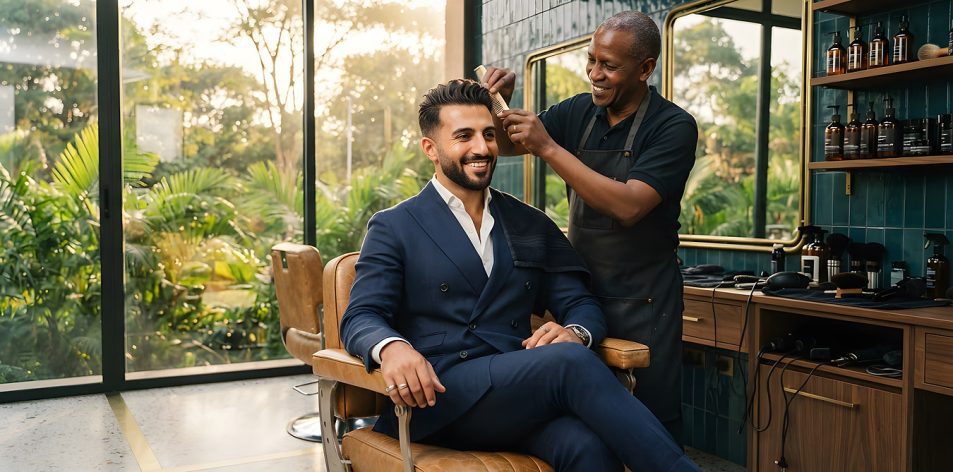
Men’s grooming in East Africa now includes members-only lounges with leather chairs and booked appointments, beard oils pressed from shea and baobab grown in the region, and skincare routines that men discuss as openly as football results. It is a cultural shift in how men think about looking after themselves, and it is also a business story, with entrepreneurs, cooperatives and investors paying close attention.
Here is what is driving the change, what the best experiences look like and where the opportunities lie.
From the Corner Kinyozi to the Members’ Lounge
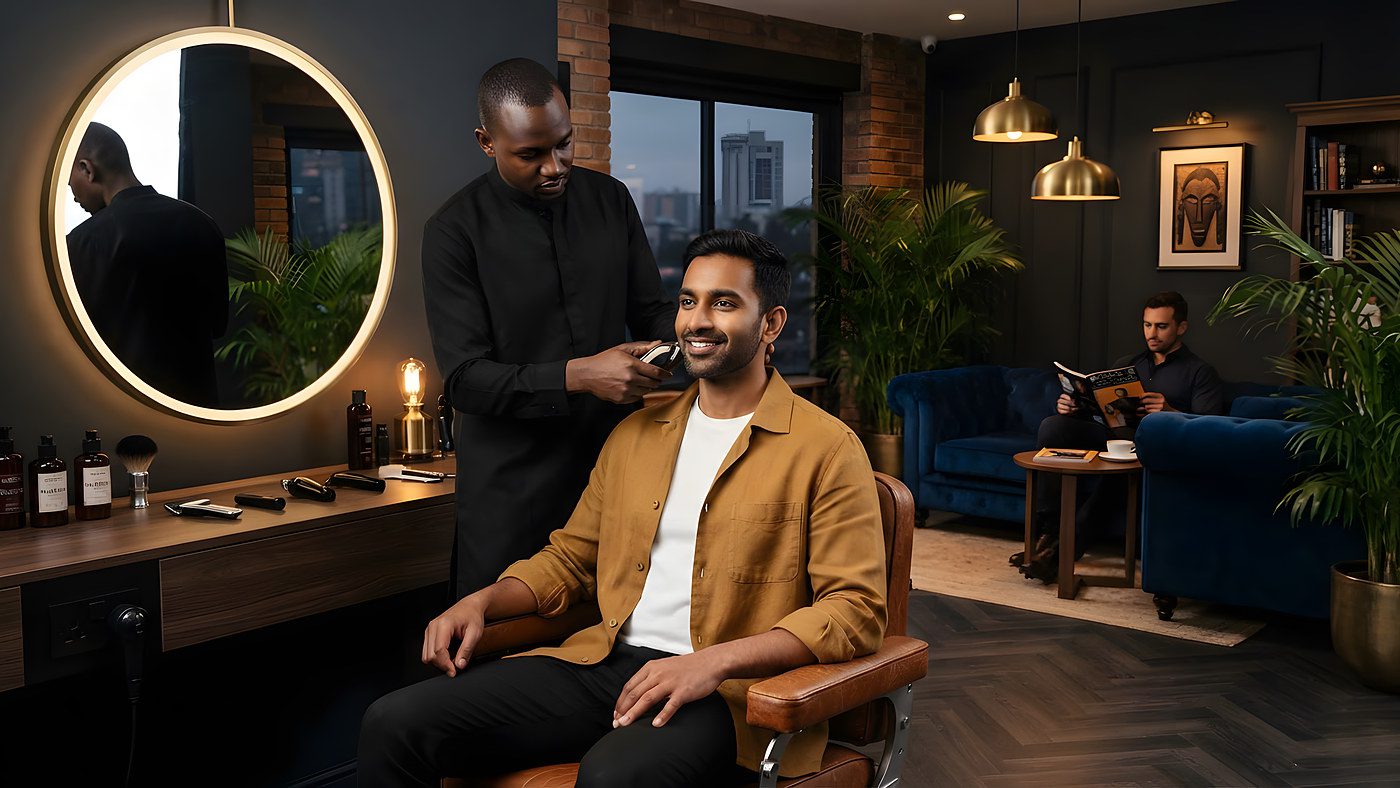
The clearest sign of the new mood arrived in Nairobi in May 2026, when The Urban Duke opened on Riverside Drive as a membership-based grooming and lifestyle club. Precision haircuts sit alongside beard grooming, facials, scalp treatments and hand and foot care, and the visit is designed to be unhurried rather than quick. Founder Roda Omar told guests at the launch that it was “not about vanity”, a line that captures how many men now frame the subject.
At the other end of the spectrum, the craft itself has become aspirational. Business Daily profiled Edwin Nyamu, the self-taught barber behind Fancy Cuts on Kimathi Street, who built a premium clientele and collected industry awards within a few years of picking up the clippers. Barbers with a strong personal following on social media now attract clients who once went wherever was closest.
Three changes explain the shift:
- Grooming is now tied to professional presence. For many men in finance, law, hospitality and the creative industries, a well-kept beard and healthy skin are part of how they present themselves at work.
- Time has become the luxury. Booked appointments, private rooms and no queue matter as much as the cut itself to a busy executive.
- Self-care is no longer a women’s subject. Men are more willing to talk about skin, stress and rest, and grooming offers a practical, familiar way into that conversation.
Four Cities, Four Grooming Cultures
The trend is regional, but each capital has its own character.
Nairobi: The Regional Pacesetter
Nairobi has the largest concentration of premium barber lounges, men’s spa menus at hotels and day spas, and specialist retailers stocking international men’s skincare. Westlands, Kilimani, Lavington, Karen and the Riverside area are where the higher-end experiences cluster. The city’s expatriate and diplomatic community, together with a large professional class, keeps standards high and competition lively.
Kampala: Home Ground for Shea
Uganda’s contribution starts with an ingredient. Northern Uganda produces Nilotica shea, a softer variety of shea butter that is prized by cosmetics makers. In October 2026, the Okere Shea Cooperative shipped 23 tonnes of Nilotica shea butter to the United States, sourced from around 1,000 women collectors in Agago and Otuke. For Kampala’s growing number of grooming brands, that is a premium raw material on their doorstep.
Kigali: Standards First
Rwanda has taken a characteristically orderly approach. The Rwanda Standards Board runs a certification programme for beauty treatment service providers and publishes a directory of certified salons. For visitors and residents, that emphasis on standards makes Kigali an encouraging place to book grooming services with confidence.
Dar es Salaam: Coastal Rituals
On the Swahili coast, grooming has always been tied to fragrance and occasion. Oud, bukhoor and concentrated perfume oils, known as attar, are part of everyday life, particularly before Friday prayers, weddings and Eid. That heritage makes Dar es Salaam a natural home for alcohol-free scents and oil-based grooming products, and for barbers who understand that a beard line-up before a wedding is a serious matter.
What a Premium Barber Lounge Experience Should Include
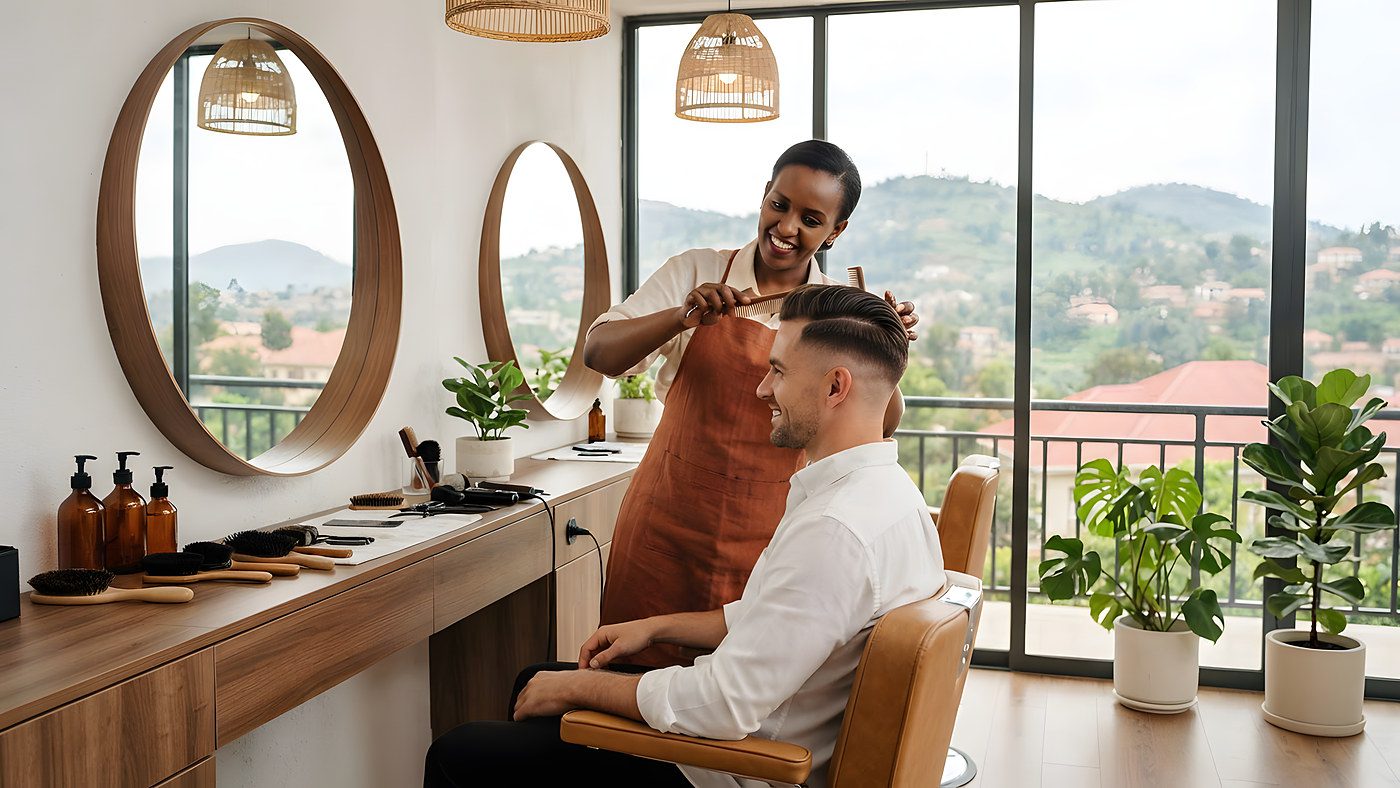
A higher price should buy more than a nicer chair. When choosing a premium barber or grooming lounge anywhere in the region, look for:
- A proper consultation before the clippers come out, covering face shape, hair texture, beard growth and how much time you spend styling each morning.
- Visible hygiene. Tools should be cleaned and disinfected between clients, with fresh towels, neck strips and single-use blades for razor work.
- A hot towel and careful razor technique for line-ups and shaves, especially if you are prone to razor bumps.
- Barbers experienced with a range of hair types. A good lounge in East Africa should be equally confident with tightly coiled, wavy and straight hair.
- Honest product advice rather than a hard sell, and alcohol-free aftershave balms if you prefer them.
- Booked appointments that run on time.
Many lounges now offer facials, scalp treatments, manicures and pedicures. These are worth trying, but the cut, the beard work and the cleanliness of the space remain the real test.
Beard Oil Goes Local
The beard has had a long moment across the region, from neatly sculpted shapes in Nairobi’s offices to fuller, traditional beards worn for religious and cultural reasons. Looking after one properly has created a market for beard oils, balms and washes, and East African makers are well placed to supply it.
Kenyan brands such as Mandevu Beardcare were early to build a business around natural beard care, and a growing number of small producers in Kenya, Uganda, Tanzania and Rwanda now sell oils at markets, salons and online.
What to look for in a good beard oil:
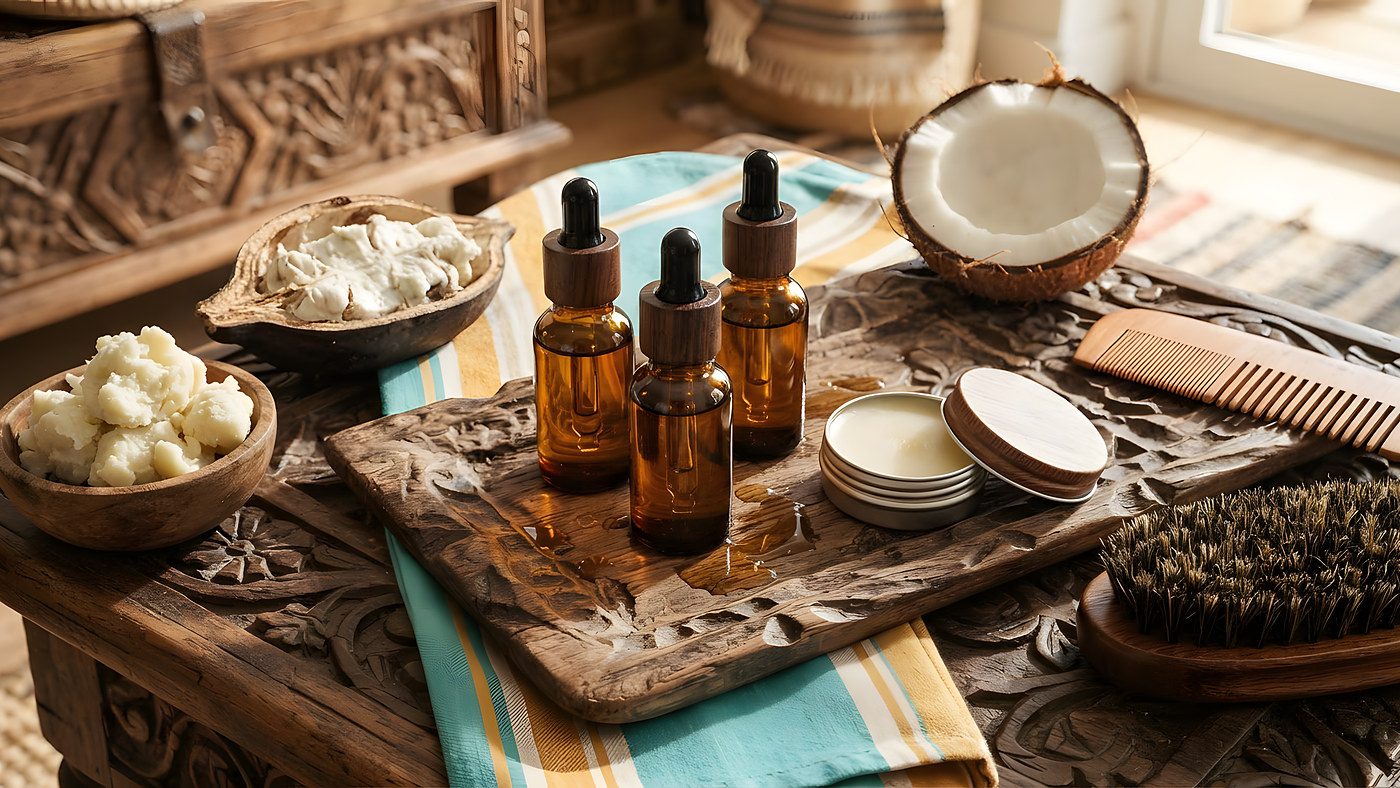
- A base of nourishing plant oils, such as jojoba, argan, baobab, coconut or sweet almond, which soften the hair and condition the skin underneath.
- Shea butter in balms, which adds hold and moisture for fuller or coarser beards.
- A short, clear ingredient list. Fewer ingredients make it easier to spot anything that irritates your skin.
- Gentle fragrance, or none at all. Essential oils can irritate sensitive skin, so test a new oil on a small area first.
- Batch details and contact information on the label, which suggest a producer who takes quality seriously.
Apply a few drops after washing, while the beard is still slightly damp, and work it through to the skin with your fingertips before brushing into shape.
Simple Men’s Skincare That Works in an East African Climate
The most encouraging part of the new grooming culture is that it does not demand a twelve-step routine. Dermatologists consistently recommend a few basics, and the American Academy of Dermatology’s advice for men translates well to Nairobi’s altitude, Kampala’s humidity and the strong coastal sun of Dar es Salaam.
Morning
- Cleanse: a mild facial cleanser and lukewarm water, rather than bar soap, which can leave skin dry and tight.
- Moisturise: a light, oil-free moisturiser if your skin is oily, or a richer cream if it is dry. Apply it while the skin is still slightly damp.
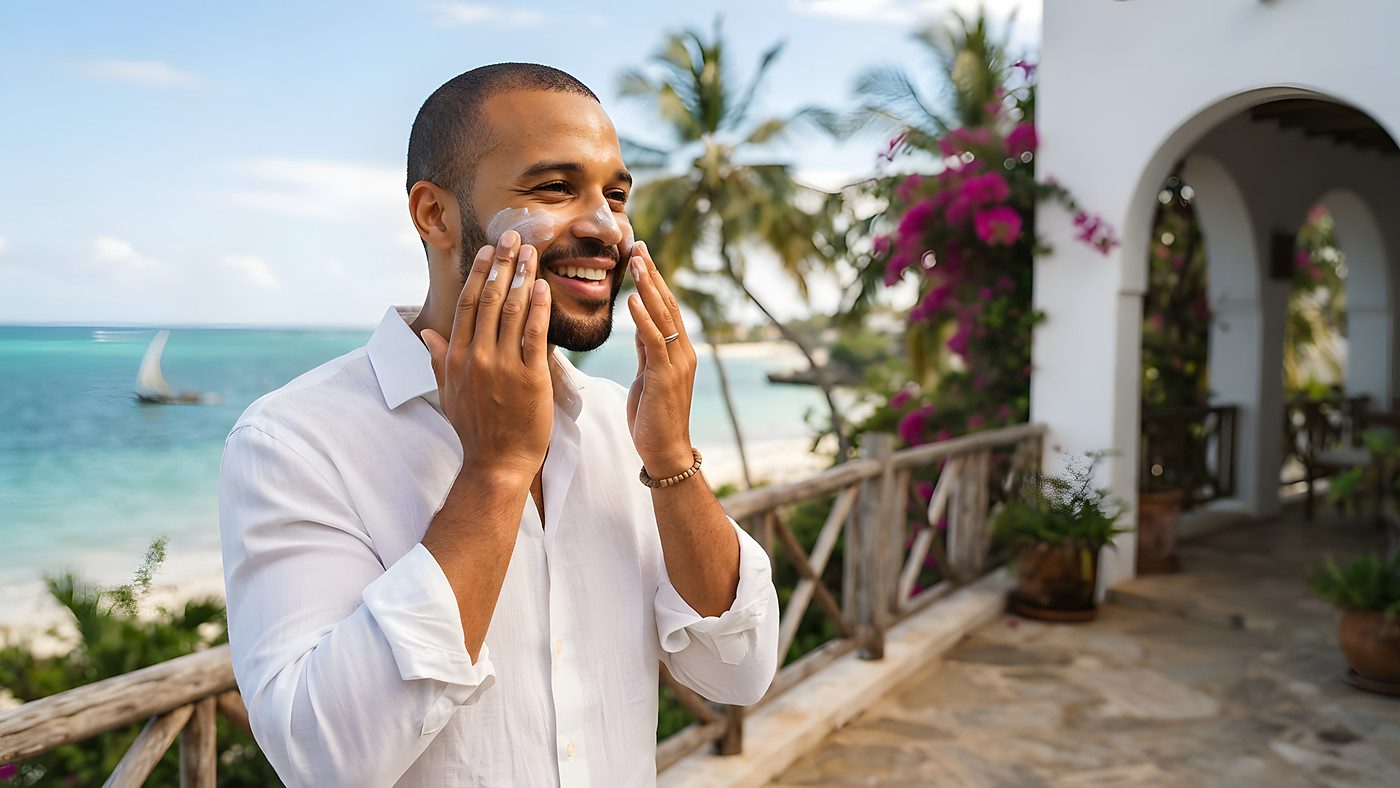
- Protect: a broad-spectrum sunscreen of SPF 30 or higher on every exposed area, including the ears, neck and scalp if your hair is short. This applies to every skin tone, not only lighter skin. Reapply after sweating or swimming.
Evening
- Wash away the day’s sweat, sunscreen and city dust.
- Moisturise again, and add beard oil if you have a beard.
Shaving Without Razor Bumps
Razor bumps are common among men with curly or coarse facial hair. The American Academy of Dermatology recommends softening the beard with warm water first, using a moisturising shaving cream, shaving in the direction of hair growth without stretching the skin, and changing blades regularly. Many men find that switching to a single-blade razor, or simply keeping a short, well-groomed beard, solves the problem altogether. If bumps persist, see a dermatologist.
For a fuller routine built around halal-conscious products, see our guide to building a halal-friendly skincare routine for the Kenyan climate.
The Market Opportunity for Investors
For investors and entrepreneurs, the numbers are less headline-grabbing than the direction of travel. Euromonitor International’s May 2026 report on men’s grooming in Kenya describes steady growth driven by urbanisation and rising incomes, with men’s toiletries showing dynamic growth and online retail gaining ground. Several features of the regional market make it particularly interesting.
A Shared Regional Rulebook
The Kenya Bureau of Standards has adopted East African Community harmonised standards for cosmetics, covering products such as aftershave, body oils, deodorants and shea butter. A brand that meets them in one partner state has a clearer path into neighbouring markets.
Ingredients Grown in the Region
Shea from northern Uganda, baobab from Tanzania and Kenya, coconut from the coast and a host of other botanicals give regional brands a story that imported products cannot match, along with shorter supply chains.
Where the Openings Are
- Membership and subscription grooming, which turns occasional visits into regular, predictable revenue.
- Executive and concierge grooming at offices, homes and hotels, a natural fit for Nairobi and Kigali’s conference and business travel trade.
- Barber training academies, since skilled, hygiene-conscious barbers are the constraint on every premium lounge.
- Locally formulated men’s skincare designed for the region’s climates and skin types, priced between mass-market and imported luxury.
- Halal-certified and alcohol-free grooming products, which serve Muslim consumers across the coast and the cities, and appeal to anyone seeking gentler formulations.
- E-commerce and subscription delivery of beard and skincare essentials.
The risks are familiar: counterfeit and substandard products, the cost of prime retail space and the challenge of keeping skilled staff. The businesses most likely to last are those that compete on trust, hygiene and consistent quality rather than décor alone.

Making the Most of the New Grooming Culture
Whether you are a Nairobi professional, a visitor passing through Kigali or a returning member of the diaspora, a few habits make all the difference:
- Book ahead with a barber you trust and stay with them. Consistency produces better cuts than chasing a new name every month.
- Bring a photograph, but listen when a good barber explains what will suit your hair and face.
- Keep the routine simple: cleanse, moisturise, protect, and look after the beard.
- Buy local where quality allows. Some of the region’s best grooming products are made a few hours’ drive away.
- Treat grooming as maintenance rather than indulgence. A monthly appointment and a five-minute daily routine are enough for most men.
For more on how looking after yourself affects how you feel, read our piece on the psychology of wardrobe renewal and self-upkeep, and pair your grooming with our guide to the rules of colour in men’s fashion.
The new era of men’s grooming in East Africa is less about luxury than about attention. The best barber lounges, the most thoughtful local brands and the simplest skincare routines share one idea: that taking a little time over yourself is a sign of self-respect, and in Nairobi, Kampala, Kigali and Dar es Salaam, more men are making that time every week.