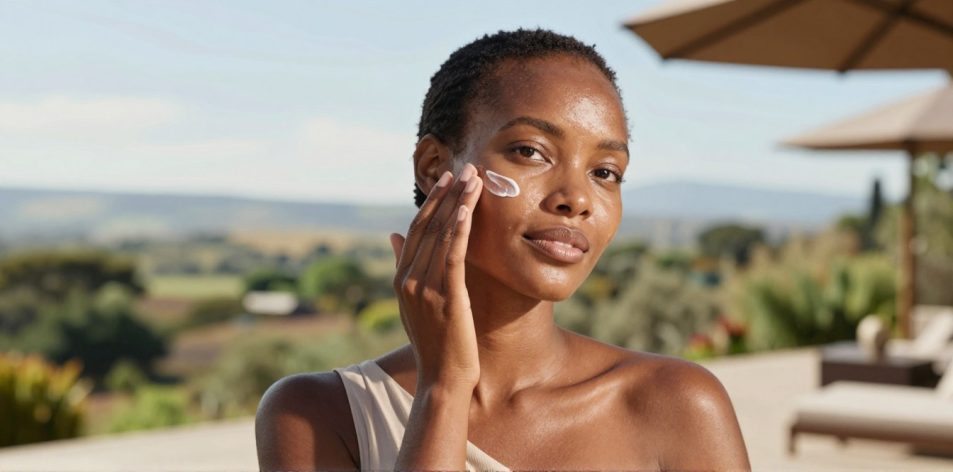
Living in Kenya, particularly in high-altitude areas like Nairobi, Nakuru, or Eldoret, presents a unique set of challenges for the skin. While the cool breeze and temperate climate of the highlands are pleasant, the proximity to the equator means the sun’s rays are significantly more intense than in many other parts of the world. At these altitudes, the atmosphere is thinner, providing less of a buffer against ultraviolet (UV) radiation, which can lead to premature ageing, pigmentation, and long-term skin damage.
Beyond the sun, our urban environments introduce further stressors. Dust, vehicle emissions, and general environmental pollutants can settle on the skin, clogging pores and triggering oxidative stress. For those who prioritise a Halal-conscious lifestyle, finding a routine that addresses these environmental factors while adhering to specific ingredient standards requires a thoughtful approach. It is not just about what we put on our skin, but ensuring those products are pure, ethical, and effective.
A Halal-friendly skincare routine focuses on the absence of prohibited animal-derived ingredients and haram alcohols, while often leaning towards ‘Tayyib’—the concept of being pure and wholesome. By combining these principles with modern dermatological needs, you can create a protective barrier that keeps your skin healthy and radiant despite the harsh equatorial sun and the bustle of city life.
Understanding the High-Altitude UV Challenge
In Kenya, the altitude plays a massive role in how the sun affects us. For every 1,000 metres you rise above sea level, UV levels increase by roughly 10% to 12%. When you consider that Nairobi sits at approximately 1,795 metres, the skin is effectively dealing with much harsher radiation than it would at the coast. This intensity makes sun protection the most critical step in any local skincare routine.
Damage from high-altitude UV rays isn’t always immediately visible as a burn; it often manifests as deep-seated pigmentation or a loss of elasticity over time. When choosing a Halal-friendly sunscreen, look for “broad-spectrum” labels, which protect against both UVA and UVB rays. Many Halal-certified brands now offer mineral sunscreens using zinc oxide or titanium dioxide, which sit on top of the skin and reflect rays rather than being absorbed, making them a popular choice for those with sensitive skin.
The Impact of Urban Pollution on the Skin
For those living or working in busy Kenyan hubs, pollution is a daily reality. Microscopic soot and dust particles from traffic and construction can be significantly smaller than human pores. When these particles settle, they don’t just sit on the surface; they can contribute to inflammation and “inflamm-ageing,” where the skin’s natural barrier is weakened over time.
To combat this, the “Tayyib” aspect of skincare becomes relevant—using pure, antioxidant-rich ingredients to neutralise the free radicals caused by pollution. Ingredients like Vitamin C (often derived from citrus or synthetic sources that are Halal-compliant) or Niacinamide (Vitamin B3) act as a shield. They help to brighten the complexion and strengthen the skin barrier, making it harder for pollutants to cause lasting damage.
Identifying Halal-Friendly Ingredients
Creating a Halal routine involves more than just looking for a specific logo, although certification certainly makes the process easier. The primary concerns usually involve avoiding porcine-derived ingredients (such as certain types of collagen or gelatin) and ensuring that any alcohols used are not “intoxicating” alcohols like ethanol or denatured alcohol, which are often used to make products dry faster but can be harsh and drying.
Instead, many Halal-friendly products use fatty alcohols like Cetyl or Stearyl alcohol. These are derived from coconut or palm oil and are used as emulsifiers to give creams their smooth texture. They are non-intoxicating and actually help to trap moisture in the skin, which is vital in the drier air of the Kenyan highlands. Additionally, look for plant-based alternatives to common ingredients. For example, instead of animal-derived squalene, many premium brands now use squalane derived from olives or sugarcane.
A Practical Daily Routine for the Kenyan Environment
A successful routine doesn’t need to be overly complicated. In fact, a simpler routine is often easier to maintain consistently. Here is a practical framework designed for the local environment:
- The Morning Cleanse: Use a gentle, water-based cleanser to remove any sweat or oils from the night. For those who perform Wudu, a gentle cleanser ensures the skin is clean without stripping away its natural oils.
- Antioxidant Protection: Apply a Vitamin C serum or a product containing Green Tea extract. This provides an extra layer of defence against the morning commute’s pollution and helps boost the effectiveness of your sunscreen.
- Hydration: High-altitude air can be quite dry. Use a moisturiser containing Hyaluronic Acid or Glycerin (ensure the glycerin is vegetable-based) to humectate the skin, drawing moisture into the layers where it is needed most.
- The Sunscreen Shield: This is the non-negotiable step. Apply a generous amount of SPF 30 or higher. If you are outdoors or near a window in an office, remember to reapply. Some Halal-certified brands now offer “breathable” or “Wudu-friendly” formulations that are designed to be water-permeable, though many scholars and users prefer to ensure a clean surface before prayer.
- The Evening Recovery: In the evening, a “double cleanse” can be very effective for those living in dusty areas. Start with an oil-based cleanser (using plant oils like jojoba or almond) to dissolve sunscreen and pollution, followed by your regular water-based cleanser.
Dealing with Pigmentation and Uneven Tone
One of the most common concerns for people in East Africa is hyperpigmentation, often exacerbated by the intense sun. When the skin is under stress from UV rays, it produces excess melanin as a protective measure, leading to dark spots. While some traditional treatments might use harsh chemicals, a Halal-conscious approach often favours gentler, naturally derived brighteners.
Ingredients like Kojic acid (derived from fungi), Liquorice root extract, and Azelaic acid are excellent for evening out skin tone without the risks associated with more controversial bleaching agents. These ingredients work gradually to calm the skin’s pigment-producing cells. Patience is key here; because these ingredients are gentler, they may take several weeks to show visible results, but they are much safer for the skin’s long-term health.
Nurturing Skin Health Through Mindful Choices
Protecting your skin in Kenya is a balance between understanding the local environment and staying true to your personal values. High-altitude UV rays and urban pollution are formidable opponents, but they are manageable with the right tools. By choosing products that are free from haram ingredients and focusing on “Tayyib” principles of purity and quality, you are not just caring for your appearance; you are respecting your body’s natural barrier.
Ultimately, the best skincare routine is the one you can stick to every day. Whether you are navigating the streets of a busy city or enjoying the clear air of the countryside, a consistent focus on cleansing, hydration, and rigorous sun protection will serve you well. By being mindful of ingredients and the specific needs of our Kenyan climate, you can maintain healthy, resilient skin for years to come.