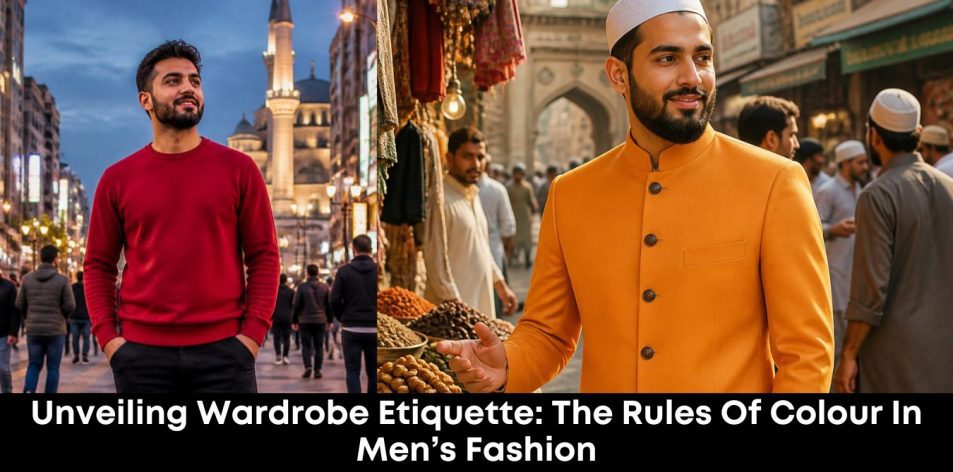
Navigating Traditional Dress Codes, Saffron Highlights, and Timeless Masculine Style
When curating a personal wardrobe in 2026, many gentlemen focus primarily on finding the right fit, fabric quality, and modern cuts. However, color selection carries far more weight than simple visual aesthetics. In our tradition, personal presentation is an outward reflection of internal character, guided by the values of dignity, moderation, and modesty (Haya). Maintaining a neat, stylish appearance is celebrated as an act of personal excellence (Ihsan), yet few men realise that traditional dress etiquette places specific guidelines on certain vibrant garment hues. While neutral earth tones, deep navies, crisp whites, and muted grays dominate classic masculine styling, classical scholarly discourse highlights specific nuances regarding bright red and pure saffron-dyed garments for men. Understanding the historical and ethical context behind these colour recommendations empowers the modern gentleman to dress with absolute confidence, refined taste, and deep self-respect. This guide explores the traditional guidelines surrounding men’s wardrobe colours and how to seamlessly apply them to contemporary fashion.
I. The Discussion Surrounding Pure Red Garments
One of the most notable discussions in classic wardrobe etiquette centers around the wearing of pure, unpatterned red clothing by men.
- Pure Red vs. Patterned Combos: Classical jurisprudence historically discouraged men from wearing garments dyed in bright, solid, unadulterated red, particularly when the intent was draw vanity or imitate ostentatious trends. However, garments where red is blended with other tones—such as stripes, checks, or dark patterns—have always been widely accepted and worn by notable figures throughout history.
- The Context of Public Ostentation: The core reason behind avoiding solid, fluorescent red lies in preventing excessive vanity and boastfulness (Kibr). Clothing should enhance a man’s presence without serving as a loud, attention-seeking spectacle in public spaces.
- Modern Tailoring Application: For contemporary menswear, this principle translates beautifully into opting for deep burgundy, rich maroon, or subtle rust accents within a tie, pocket square, or striped shirt, rather than an all-red suit or tracksuit.
II. Saffron and Yellow Dyes: Understanding Historical Nuances
Another specific category within traditional dress codes involves garments heavily dyed with saffron (Zafaran) or bright yellow safflower (Mu’asfar).
- The Saffron Restriction: Garments treated with concentrated saffron dye produced a distinct, vivid orange-yellow tone that was historically reserved for specific feminine adornments or non-Muslim religious attire in ancient regions. Consequently, pure saffron-dyed garments were discouraged for men to maintain clear masculine distinction and cultural identity.
- Muted Yellows and Modern Fabrics: It is important to distinguish between ancient chemical dyes and modern textile colors. Standard pastel yellows, muted mustard jackets, or beige-yellow knitwear worn today do not carry the specific historical saffron-dye classification, provided the overall outfit remains understated and dignified.
- Avoiding Imitation of Unethical Trends: A central tenet of men’s fashion etiquette is avoiding styles that promote vulgarity, arrogance, or the explicit imitation of unethical pop-culture figures. Keeping your color choices grounded ensures your wardrobe reflects honor and maturity.
III. Recommended Colours for the Modern Gentleman
Building a powerful, sophisticated wardrobe becomes effortless when you align your choices with time-tested, highly praised color spectrums.
- The Excellence of Pure White: White is universally recognized as the noble standard for men’s attire. A crisp white linen shirt or tailored thobe projects unparalleled cleanliness, freshness, and simplicity, making it the ideal choice for Friday gatherings, formal events, and daily business.
- Deep Neutrals and Earth Tones: Shades of forest green, midnight blue, charcoal gray, sand beige, and chocolate brown form the foundation of effortless masculine elegance. These natural tones convey stability, composure (Sakinah), and quiet authority.
- Black and Dark Tones: Wearing black jackets, dark coats, and charcoal trousers is widely praised for its practical elegance and versatility, allowing for seamless layering across both formal and casual settings.
IV. Fabric Choices and Ethical Grooming
Color guidelines exist alongside specific fabric restrictions that every discerning gentleman must incorporate into his personal styling routine.
- The Prohibition of Pure Silk: Beyond color nuances, men are strictly prohibited from wearing pure natural silk garments or solid gold adornments. Modern gentlemen should opt for high-grade organic cotton, fine merino wool, polished linen, or synthetic microfiber ties that offer a luxurious sheen without breaching ethical boundaries.
- Garment Length and Modesty: Ensure your trousers and tailored suits are hemmed neatly above the ankles, avoiding excessive dragging along the ground. This preserves the cleanliness of your hemline and reflects a disciplined, humble posture.
- Subtle Fragrance and Neatness: Complete your outfit with neat grooming and a clean, alcohol-free natural oil fragrance (Attar), such as sandalwood, amber, or fresh oud. Presenting yourself cleanly to your family, business partners, and community is a noble daily habit.
V. Dressing with Intention and Excellence
Curating your wardrobe around classic guidelines is not a limitation on personal style; rather, it is a refinement of character. When you choose colors and fabrics that embody modesty, neatness, and strength, you project an effortless confidence that commands genuine respect. By avoiding ostentatious, loud garments and embracing timeless neutrals, whites, and tasteful patterns, you honor the trust (Amanah) of your personal appearance. Step into your daily affairs with clear intent, dress with quiet sophistication, and let your outward presentation reflect your inner values. May your attire always be a source of dignity, comfort, and positive influence in every space you enter.