Recognising Signs Of Anxiety In Pets & How To Help
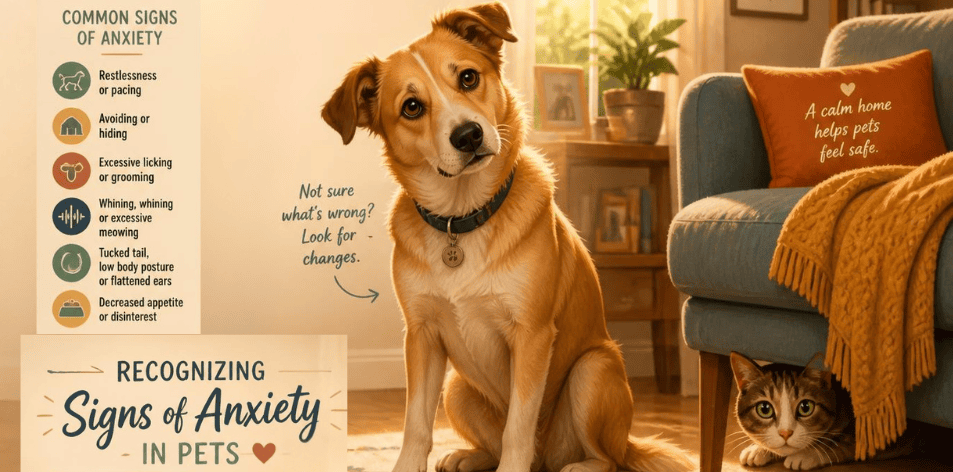
Pets may not be able to tell us when they are worried, frightened or overwhelmed, but their behaviour can often provide important clues. Anxiety can affect both cats and dogs, sometimes leading to changes in eating, sleeping, grooming, activity levels or interactions with people.
Recognising these signs early allows pet owners to understand what their animals may be experiencing and provide the support they need. In Kenya, where pets may encounter changes in their environment, loud noises, travel, separation or unfamiliar surroundings, paying attention to behaviour can make a meaningful difference to their wellbeing.
Understanding Anxiety In Pets
Anxiety is a natural response to situations that make an animal feel uncertain, threatened or uncomfortable. Occasional fear or nervousness is normal, but persistent anxiety can affect a pet’s quality of life and may contribute to unwanted behaviours.
Every pet responds differently. Some animals become withdrawn and seek solitude, while others may become restless, vocal or unusually clingy.
This is why knowing your pet’s normal behaviour is so important. Changes that appear small may sometimes be the first indication that your cat or dog is struggling with stress.
Signs Of Anxiety In Cats
Cats can be particularly good at hiding discomfort, which means changes in behaviour may be easy to overlook. An anxious cat may become quieter, more withdrawn or suddenly behave differently from its usual personality.
Common signs of anxiety in cats include:
✔️ Hiding frequently or avoiding interaction
✔️ Excessive grooming or licking
✔️ Sudden aggression or irritability
✔️ Changes in appetite or eating habits
✔️ Changes in litter box habits
✔️ Becoming unusually vocal or restless
✔️ Avoiding areas of the home they normally enjoy
Some cats may seek constant reassurance, while others may prefer to be left alone. Neither response should automatically be interpreted as simply being “difficult”. A change from your cat’s usual behaviour deserves attention.
Signs Of Anxiety In Dogs
Dogs often communicate stress through their body language and behaviour. Some may become restless and vocal, while others may lose interest in activities they normally enjoy.
Watch for signs such as:
✔️ Pacing or repeatedly moving around
✔️ Whining, barking or excessive vocalisation
✔️ Chewing or scratching furniture
✔️ Excessive panting when there is no obvious reason
✔️ Reluctance to eat
✔️ Avoiding normal activities or play
✔️ Becoming unusually clingy or withdrawn
✔️ Trying to hide or escape from a stressful situation
A dog that suddenly behaves differently may be responding to something in its environment. Identifying possible triggers can help owners understand what their pet is experiencing.
Understanding What May Trigger Anxiety
Anxiety can have many possible causes, and the trigger is not always immediately obvious. Changes in the household, moving home, separation from an owner, unfamiliar people or animals, travel and loud noises can all be stressful for some pets.
Fireworks, thunderstorms and other sudden loud sounds can also cause fear and anxiety. Even changes that seem positive to humans, such as welcoming a new family member or introducing another pet, can take time for an animal to adjust to.
Rather than assuming that every anxious pet has the same needs, observe when the behaviour occurs and what happens immediately beforehand. Identifying patterns can provide useful clues.
Creating A Safe & Comfortable Environment
One of the simplest ways to support an anxious pet is to provide a place where it can retreat and feel secure.
Consider providing:
✔️ A quiet area away from excessive noise and activity
✔️ Comfortable bedding or a familiar blanket
✔️ Easy access to fresh water
✔️ Familiar toys and items carrying familiar scents
✔️ A safe retreat where the pet can rest undisturbed
✔️ Curtains or closed windows when outside activity is causing stress
Cats may appreciate a private elevated or enclosed space, while dogs may prefer a quiet corner or familiar resting area.
The aim is not to force the animal to interact, but to give it somewhere safe where it can settle when feeling overwhelmed.
Routine, Reassurance & Positive Reinforcement
Animals often feel more secure when their daily lives are predictable. Keeping feeding, exercise, play and rest routines relatively consistent can help reduce unnecessary uncertainty.
Gentle reassurance can also be helpful. Speak calmly, remain patient and avoid punishing an anxious pet for behaviour caused by fear or stress.
Positive reinforcement can encourage desirable behaviour by rewarding calm responses with appropriate praise, affection or treats.
Remember: punishment may increase fear and can make some anxiety-related behaviours worse. A calm and supportive approach helps your pet associate its environment with safety rather than further stress.
When Veterinary Advice Is Important
Persistent or severe anxiety should not simply be ignored. Behavioural changes can sometimes have an underlying medical cause, and a veterinarian can help determine whether further assessment is needed.
Seek professional advice if you notice:
⚠️ Sudden or severe changes in behaviour
⚠️ Persistent loss of appetite
⚠️ Significant changes in toilet or litter box habits
⚠️ Repeated destructive behaviour
⚠️ Self-injury or excessive grooming
⚠️ Aggression that is unusual for your pet
⚠️ Ongoing withdrawal or fear
⚠️ Anxiety that is interfering with normal daily activities
A veterinarian may recommend environmental changes, behavioural support or other appropriate treatment depending on the individual animal.
Helping Pets Feel Safe, Calm & Loved
Supporting an anxious pet requires patience. Progress may not happen immediately, and what works for one animal may not work for another.
Pay attention to your pet’s body language, respect its need for space and provide reassurance without forcing interaction. Small changes to the home environment and daily routine can sometimes make a significant difference.
Most importantly, remember that anxious behaviour is often a sign that your pet is struggling rather than deliberately misbehaving. Responding with patience and understanding can help build trust and emotional security.
Helping an anxious pet begins with observation, patience and compassion. By recognising changes early, maintaining supportive routines, providing a safe environment and seeking veterinary guidance when necessary, pet owners can help their cats and dogs feel more secure.
Our pets depend on us to notice what they cannot put into words. Sometimes, simply paying closer attention can be the first step towards helping them feel calmer, safer and happier.