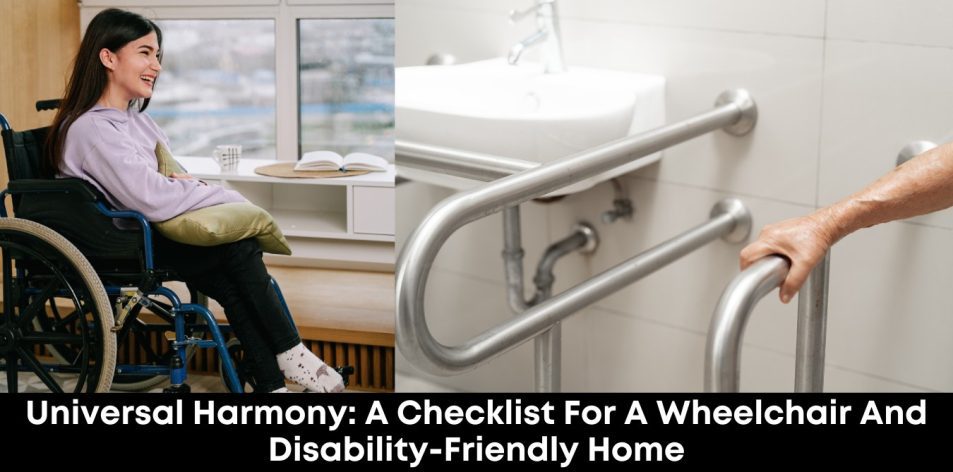
Designing for Dignity, Inclusion, and Ease of Movement for All
In our homes, we strive to create a space that reflects the values of compassion, mercy, and inclusivity. For families caring for an elderly parent or a member with limited mobility, adapting the physical environment is an act of profound kindness and social responsibility. A truly harmonious home is one where every person—regardless of their physical ability—can move with independence and dignity. In 2026, “Universal Design” has become the standard for modern living, focusing on creating spaces that are accessible to everyone without looking institutional. This guide provides a comprehensive checklist to help you transform your property into a sanctuary of ease, ensuring that your home remains a place of welcome and comfort for all who enter.
I. Exterior Access and Entryways
The journey toward an accessible home begins at the front door. Ensuring a “zero-step” entry is the first priority for wheelchair users and those with limited mobility.
- Smooth Path of Travel: Ensure the walkway from the parking area to the entrance is at least 36 inches wide, firm, and slip-resistant. Remove any loose gravel or uneven paving stones.
- Threshold-Free Entries: Ideally, your main entrance should have no step. If a step is unavoidable, install a permanent ramp with a 1:12 slope (one inch of rise for every 12 inches of length). Ensure the threshold itself is no higher than half an inch.
- Lever-Style Handles: Replace traditional round doorknobs with lever handles. These are much easier for individuals with limited hand strength or dexterity to operate with a single hand.
- Adequate Lighting: Install motion-sensor lighting at the entrance to ensure the path and the keyhole are clearly visible at night, preventing trips and falls.
II. Navigating Interior Spaces
Once inside, the layout should allow for effortless movement and turning space for a wheelchair or walker.
- Widened Doorways: To accommodate a standard wheelchair comfortably, interior doorways should be at least 34 to 36 inches wide. If your doors are narrow, consider using “offset” or “Z-shaped” hinges that allow the door to swing completely clear of the opening.
- Open Floor Plans: Minimise narrow hallways and tight corners. An open-plan living and dining area provides the 60-inch turning radius required for a wheelchair to make a 360-degree turn.
- Consistent Flooring: Avoid thick, high-pile carpets which can be difficult to roll over. Opt for hard surfaces like bamboo, slip-resistant tiles, or low-pile commercial-grade carpets. Ensure that transitions between different flooring types are flush to prevent tripping.
- Accessible Controls: Position light switches, thermostats, and intercoms between 36 and 48 inches from the floor—within easy reach for someone in a seated position. Use “rocker-style” switches for ease of use.
III. The Accessible Bathroom and Wudu Area
The bathroom is often the most challenging room to navigate. Modifying this space is essential for maintaining personal privacy and hygiene.
- Roll-In Shower: A “zero-threshold” or roll-in shower eliminates the need to step over a tub edge. Include a fold-down seat and a handheld showerhead with a 60-inch hose.
- Grab Bars: Securely install grab bars near the toilet and inside the shower. Ensure the walls are reinforced with plywood backing so the bars can support the full weight of an adult.
- Comfort-Height Toilet: A toilet with a seat height of 17 to 19 inches makes transferring from a wheelchair significantly easier and safer.
- Floating Vanities: Use wall-mounted sinks that allow for knee clearance (at least 29 inches) underneath. This allows a wheelchair user to roll directly up to the sink. Ensure pipes are insulated to prevent burns.
- Bidet Sprays: A bidet spray or “lota” is not only a spiritual preference for cleanliness but also a great aid for those with limited dexterity.
IV. Kitchen and Dining Modifications
An accessible kitchen allows everyone to participate in the heart of the home, from meal preparation to shared dining.
- Varying Counter Heights: While standard counters are 36 inches high, having a section of the counter at 30 to 32 inches allows for comfortable meal prep from a seated position.
- Pull-Out Shelving: Replace deep, dark cabinets with pull-out drawers and “Lazy Susan” units. This brings items to the front, eliminating the need to reach deep into cupboards.
- Front-Loading Appliances: Front-loading washers and dryers, and ovens with side-swinging doors, are far more accessible for those who cannot easily lean over.
- Lever Faucets: A single-lever, high-arc faucet with a pull-out spray head makes washing dishes and filling pots much simpler for everyone.
V. The Accessible Prayer Room (Home Masjid)
Ensuring the spiritual centre of the home is accessible is a beautiful way to ensure everyone remains connected to their faith.
- Ample Space for Congregational Prayer: Ensure the prayer room is large enough for a wheelchair user to join the prayer line (Saff) without blocking the path of others.
- Firm Prayer Surface: While plush carpets are lovely, ensure the area designated for a wheelchair user is firm enough for easy movement while remaining clean and respectful.
- Accessible Seating: For those who cannot pray standing, provide a sturdy, comfortable chair with armrests to assist in sitting and standing.
- Storage at Reach: Position copies of the Quran and prayer beads on shelves that are between 20 and 40 inches high, ensuring they are accessible to both standing and seated worshippers.
Adapting your home to be disability-friendly is a testament to your love and care for your family. By removing physical barriers, you provide your loved ones with the greatest gift of all: the ability to live with independence and dignity. May your home be a place of barakah, where every inhabitant feels safe, valued, and completely at ease.