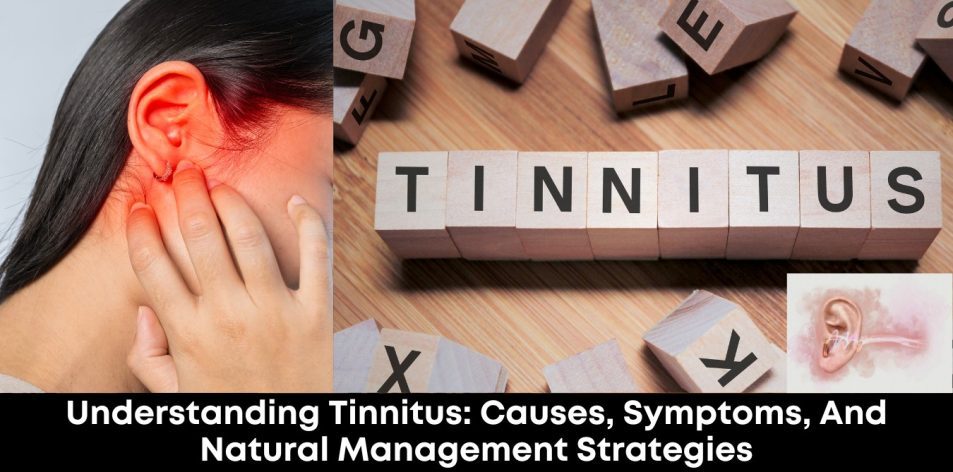
Restoring Internal Peace, Auditory Health, and Composure in the Face of Chronic Ringing
In our daily lives, silence is often taken for granted. For millions of individuals around the world, however, absolute silence is replaced by a persistent, internal sound—a ringing, buzzing, hissing, or humming that no one else can hear. This auditory phenomenon is known as tinnitus. In our tradition, our physical health and sensory faculties—including our hearing—are viewed as a precious Amanah (trust) from the Creator. Experiencing an unexpected health challenge like tinnitus can be distressing, testing an individual’s patience (Sabr) and emotional resolve. While tinnitus is rarely a sign of a severe medical emergency, its persistent presence can disrupt concentration, trigger sleep difficulties, and diminish overall quality of life. In 2026, medical science and holistic healthcare offer clear pathways to understand what causes this internal ringing and how to manage it effectively. By combining modern medical evaluation, healthy lifestyle adjustments, and spiritual reliance (Tawakkul), those affected by tinnitus can navigate the condition and restore their internal tranquillity (Sakinah). This guide breaks down what tinnitus is, why it occurs, and practical ways to treat and cope with it.
I. What Exactly Is Tinnitus?
Tinnitus is not a disease in itself; rather, it is a symptom of an underlying issue within the auditory system or neural pathways.
- The Phantom Sound Experience: People with tinnitus report hearing a variety of phantom sounds, such as high-pitched ringing, ocean-like roaring, clicking, or static buzzing. It can affect one or both ears and may be constant or intermittent.
- Subjective vs. Objective Tinnitus: In the vast majority of cases (subjective tinnitus), only the individual can hear the noise. In rare instances (objective tinnitus), a medical practitioner using a stethoscope can actually hear a rhythmic pulsing sound, often linked to blood vessel turbulence or muscle contractions near the ear.
- How the Brain Generates the Sound: When the delicate hair cells inside the inner ear become damaged or stressed, they stop sending normal electrical signals to the brain. In response, the brain’s auditory cortex tries to compensate for the missing signals by creating its own internal noise, resulting in the perception of ringing.
II. Primary Causes: How Do You Get Tinnitus?
Tinnitus can develop gradually over time or appear suddenly after a specific event. Understanding the trigger is the first step toward effective management.
- Loud Noise Exposure: Prolonged exposure to high-decibel environments—such as industrial machinery, loud construction zones, or high-volume personal headphones—damages the delicate sensory hair cells in the cochlea, making noise-induced hearing loss and tinnitus extremely common.
- Age-Related Hearing Changes: As we age, natural degradation of the inner ear structures can occur. This age-related decline (presbycusis) often manifests alongside a gradual onset of tinnitus in individuals over 50.
- Ear Canal Blockages: A simple accumulation of hardened earwax, a minor ear infection, or fluid buildup behind the eardrum can alter pressure within the ear canal, triggering temporary ringing that usually resolves once the blockage is safely cleared.
- Jaw and Cervical Neck Tension: Temporomandibular joint (TMJ) disorders, severe teeth grinding during sleep, or chronic neck stiffness can strain the muscles and nerves linked to the auditory network, aggravating tinnitus symptoms.
- Medication Side Effects: Certain over-the-counter and prescription medications—including high doses of aspirin, specific antibiotics, and heavy anti-inflammatory drugs—can be ototoxic, meaning they temporarily or permanently irritate the inner ear.
III. Clinical and Natural Approaches to Treatment
While there is no single magical cure for every form of tinnitus, numerous evidence-based therapies and natural habits can significantly reduce its volume and impact.
- Professional Audiological Assessment: The initial step is to consult an Ear, Nose, and Throat (ENT) specialist or a certified audiologist. A thorough examination can rule out structural blockages, check for underlying hearing loss, and identify whether a hearing aid or sound therapy device is appropriate.
- Sound Therapy and White Noise Conditioning: Leaving a room in total silence often amplifies the perception of ringing. Utilizing soft ambient sounds—such as a quiet room fan, a rainfall sound generator, or natural white noise—helps mask the tinnitus, allowing the brain to habituate and ignore the phantom sound, especially when trying to fall asleep.
- Addressing Jaw and Neck Strain: If your ringing is connected to jaw tightness or posture issues, consulting a physical therapist or dentist for a custom night guard can alleviate pressure on the surrounding nerves and reduce tinnitus intensity.
- Dietary Adjustments and Circulation: Reducing excessive sodium and refined sugar intake helps maintain healthy blood pressure and micro-circulation within the delicate blood vessels of the inner ear. Ensure you remain well-hydrated throughout the day with pure water and soothing herbal teas like chamomile or peppermint.
IV. Cultivating Mental Resilience and Emotional Composure
The emotional reaction to tinnitus often dictates how much it impacts your daily life. Managing your stress response is vital to breaking the cycle of anxiety.
- Lowering Cortisol and Stress Levels: High stress levels cause the nervous system to remain in a hyper-alert state, which amplifies sensory perception and makes tinnitus sound louder. Engaging in regular, low-impact exercise like daily walking helps regulate stress hormones naturally.
- Practicing Mindfulness and Habituation: Cognitive Behavioral Therapy (CBT) principles teach individuals to reframe how they perceive the noise. Instead of viewing the ringing as a threat, training the mind to accept it as a neutral background sound reduces internal distress over time.
- Finding Refuge in Reflection and Supplication: In moments when the ringing feels overwhelming, turning to quiet prayer, remembrance, and patience (Sabr) provides immense emotional grounding. Remind yourself that healing and ease accompany every difficulty, helping you maintain Sakinah (tranquillity) within your home and heart.
V. Living Well with Clarity and Confidence
Dealing with tinnitus requires a balanced blend of practical medical care, environmental adjustments, and emotional fortitude. By protecting your ears from excessive noise, addressing physical blockages, utilizing sound masking strategies, and maintaining a calm mindset, you can effectively manage the condition and prevent it from controlling your life. Treat your physical health as an Amanah, seek professional care when needed, and embrace daily habits that foster holistic wellness. May your days be filled with comfort, clear health, and enduring peace of mind.