Navigating High Fuel and Electricity Costs Through Smart Stewardship and Clean Energy
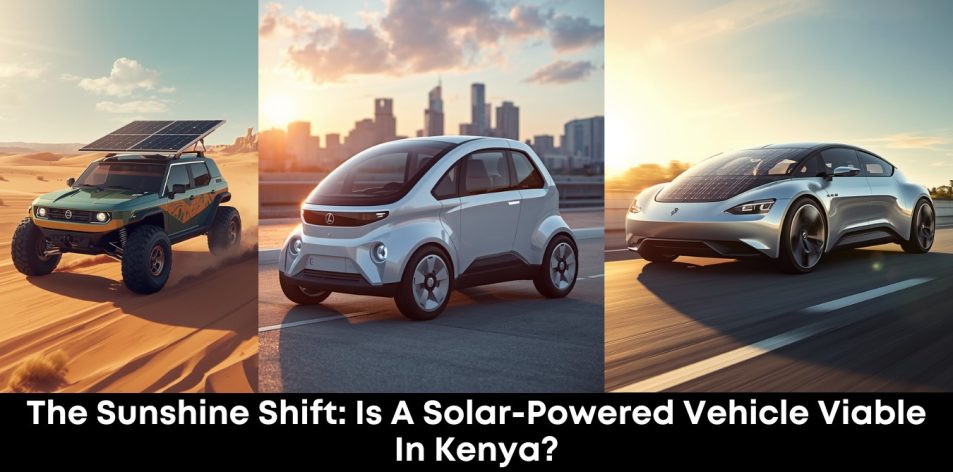
As we navigate the economic landscape of 2026, every business owner and household head feels the weight of rising overheads. The persistent upward trajectory of fuel prices at the pump, combined with escalating domestic electricity tariffs from the national grid, has turned energy into a major financial pressure point. In our faith, we are guided to be wise managers of our resources, practicing moderation (Iktisad) and avoiding wastefulness (Israf). Our wealth and the environment are an Amanah (trust) that we must manage with foresight. This financial reality has sparked a vital question among Kenyan motorists: Is a solar-powered vehicle a viable idea here, and how can transitioning to alternative power protect our livelihoods? With Kenya boasting over 300 days of sunshine per year, the potential is vast. This guide analyzes the real-world viability of solar mobility and how you can strategically decouple your transportation costs from volatile energy markets.
I. Direct Solar Cars vs. Solar-Charged Electric Vehicles
To understand the viability of solar vehicles, we must distinguish between two completely different types of technology currently available on the market.
- Built-In Solar Panel Vehicles: These are electric cars engineered with photovoltaic cells integrated directly into the roof, bonnet, and doors. In Kenya, specialized dealers have introduced models capable of generating enough direct solar energy to cover 60 kilometres per week just by sitting in the sun. For the average urban commuter running short errands in Nairobi or Mombasa, this means your daily transit can literally be powered for free by the heavens.
- Solar-Charged Electric Vehicles (EVs): While built-in panels are excellent for supplementary power, the true revolution lies in pairing a standard electric vehicle with a dedicated home or office solar charging station. By installing a solar carport at your property, you capture abundant daytime energy, store it in lithium-ion batteries, and transfer it to your car, completely bypassing both the petrol station and the KPLC grid.
II. The Financial Calculus: Petrol vs. Alternative Power
The economic argument for moving away from fossil fuels has never been more compelling, with alternative power offering immense insulation against inflation.
- The Running Cost Gap: In 2026, running a traditional petrol-powered vehicle across Kenya’s urban centers costs an average of 10 to 20 Shillings per kilometre, heavily dependent on global oil volatility. By contrast, charging an electric vehicle using alternative power or the specialized e-mobility grid tariff drops your operational cost down to between 1.20 and 1.60 Shillings per kilometre.
- Zero Fuel Expenses: When you generate your own transportation fuel via a commercial or domestic solar installation, your recurring monthly fuel expense drops to zero. The initial capital expenditure is transformed into a fixed, predictable investment that pays for itself within a few years.
- Drastically Lower Maintenance: Electric and solar-powered drivetrains completely eliminate the need for oil changes, spark plugs, fuel filters, and timing belts. Because there are fewer moving parts to experience mechanical wear, your long-term maintenance costs are reduced by over 60 per cent.
III. Kenya’s E-Mobility Infrastructure Boom
A few years ago, adopting an electric or solar vehicle was risky due to a lack of support infrastructure. In 2026, the regulatory and physical environment has matured drastically.
- The National E-Mobility Policy: The government has officially implemented structural frameworks to support green transport, encouraging local vehicle assembly and expanding the accessibility of parts and batteries across the country.
- EPRA Solar Charging Licenses: The Energy and Petroleum Regulatory Authority (EPRA) has begun issuing specialized commercial licenses for solar-to-charging stations. This allows progressive businesses to set up solar-powered battery-swapping hubs and rapid public charging carports along major transport corridors.
- Expanding Charging Networks: Kenya Power has aggressive rollouts underway to establish fast-charging stations across multiple counties, ensuring that even when traveling long distances away from your primary solar base, backup power is readily available.
IV. Real-World Challenges and How to Navigate Them Wisely
While the benefits are substantial, a successful transition requires patience (Sabr) and strategic value-engineering to overcome current hurdles.
- The Upfront Capital Hurdle: The initial purchase price of electric vehicles and high-capacity solar setups remains higher than traditional internal combustion alternatives. To mitigate this, look for modern vehicle leasing structures or asset-financing facilities that allow you to pay off the vehicle using the exact money you save on monthly fuel.
- Battery Longevity and Care: The heart of any alternative power system is its battery pack. Ensure your vehicle or solar carport utilizes Lithium Iron Phosphate (LiFePO4) technology, which handles high temperatures exceptionally well and offers a lifespan exceeding ten years.
- Evolving Tax Policies: Keep a close eye on regional fiscal updates, such as the Finance Bill 2026, which frequently adjusts VAT and import exemptions on green technology. Sourcing your equipment through established, compliant local assemblers protects you from sudden custom tariff adjustments.
V. Embracing Alternative Power as a Legacy of Excellence
Transitioning toward solar mobility and alternative power is more than a cost-cutting tactic; it is an act of deep professional and personal excellence (Ihsan). By harnessing the natural, clean provisions created for us, we reduce our dependence on imported petroleum, protect our local air quality, and establish a highly resilient business or household blueprint. A transport system anchored to the sun is insulated from grid failures, fuel strikes, and economic inflation. Approach the transition with a clear plan, consult certified EPRA solar technicians, and step confidently into a future of self-sufficiency. May your enterprise be blessed with constant growth, and may your journey toward clean energy independence bring absolute peace of mind to your household.