Preserving Mechanical Integrity, Battery Vitality, and Fluid Health on Your Driveway
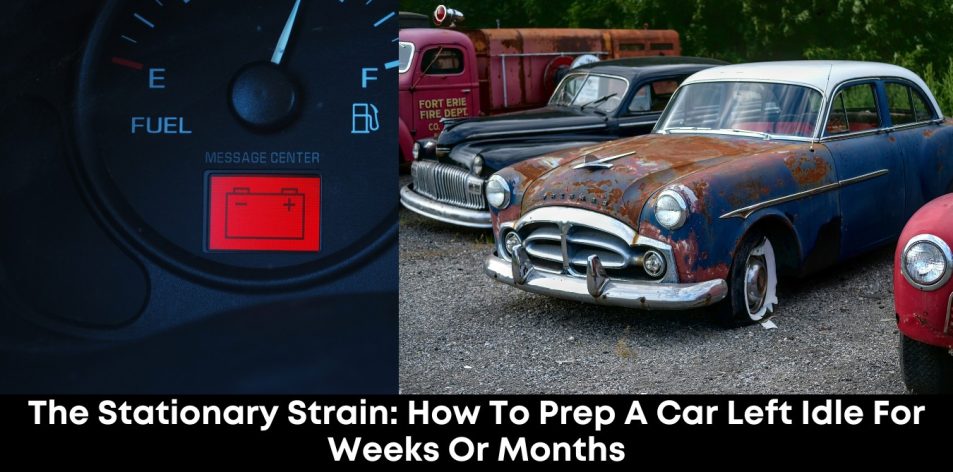
Whether you are packing your bags for a lengthy international business trip, embarking on an extended family journey, or simply utilizing a dedicated company vehicle less frequently in 2026, leaving an automobile stationary on a driveway for a prolonged duration introduces quiet, invisible risks. In our rich tradition, wealth, time, and mechanical assets are viewed as an Amanah (trust) from the Creator, requiring meticulous management, responsibility, and the avoidance of wasteful neglect (Israf). A car is an intricate machine engineered specifically for motion; when left completely idle, its components begin to experience a unique set of structural strains. Batteries slowly drain via parasitic power draws, engine oil settles and exposes metal surfaces to moisture, tyres deform under static vehicle weight, and modern fuels begin to degrade in as little as thirty days. Leaving a car untended on a paved driveway or inside a garage without proper technical preparation is a primary cause of unexpected, expensive starter failures. This guide provides a comprehensive checklist to ensure your vehicle starts with absolute reliability the exact moment you turn the key.
I. Electrical Defense: Saving the Battery from Parasitic Drain
The most common casualty of an extended parking stint is a completely dead battery. Even when the ignition key is removed, internal computers, security trackers, and clock modules continue to draw tiny amounts of current.
- The Myth of the Weekly Idle: One of the most widespread mistakes homeowners make is asking a family member or worker to start the car and let it idle in the driveway for ten minutes once a week. Cold idling fails to bring the engine and exhaust up to full operating temperature, causes condensation buildup in the oil casing, and actually drains more energy from the battery during the starter crank than the alternator can replenish at low idle speeds.
- Deploying a Smart Battery Maintainer: If your driveway or garage has access to a reliable outdoor power outlet, connect a smart battery maintainer, also known as a trickle charger or battery tender. These advanced devices monitor your battery’s voltage in real-time, delivering a low, safe current only when the charge drops, keeping the chemical cells perfectly preserved without overcharging.
- Isolating the Negative Terminal: If your vehicle is parked in an area without electrical grid access, the most practical solution is to manually disconnect the negative (black) battery terminal using a ten-millimeter spanner. Wrap the loose cable head in a dry cloth to prevent it from contacting metal surfaces. This completely cuts the electrical circuit, stopping parasitic drain in its tracks.
II. Fluid and Fuel System Stabilisation Mechanics
Leaving fluids sitting completely stagnant inside a fuel tank and engine block exposes your vehicle’s fuel lines and internal seals to accelerated chemical degradation.
- Preventing Fuel Varnish and Tank Rust: Modern petrol and diesel blends begin to oxidise and break down relatively quickly when exposed to air pocket moisture inside a half-empty fuel tank. This degradation creates a sticky varnish or gum residue that can choke fuel injectors and fuel filters. Before parking long-term, drive to a reputable petrol station, fill the fuel tank to roughly ninety per cent capacity to minimise airspace, and pour in a high-quality fuel stabiliser additive.
- Circulating the Treatment: Once the fuel stabiliser is added to your tank, take the vehicle for a brisk fifteen-kilometre drive. This short trip allows the treated fuel to circulate thoroughly through the fuel lines, fuel pump, and engine rail, coating the entire delivery system with a protective chemical layer.
- The Fresh Oil Advantage: If your car is approaching its scheduled service interval, change the engine oil and oil filter before parking it away. Used engine oil accumulates combustion acids, moisture, and soot particles over time; leaving these acidic contaminants sitting motionless inside an engine block for months can gradually etch and corrode internal copper and aluminum bearings.
III. Tyres and Brake System Protection
When a heavy multi-ton vehicle rests entirely on the exact same four small patches of rubber for months, structural physical deformation occurs.
- The Prevention of Permanent Flat Spots: Tyres are engineered to flex during rotation. When static, the constant downward pressure of the vehicle causes the bottom footprint of the tyre to flatten against the hard concrete driveway. To prevent these flat spots from locking in permanently and causing severe wheel vibrations during future highway drives, inflate all four tyres to roughly five to ten PSI above your standard recommended manufacturer specification before storage, ensuring you stay well below the maximum limit stamped on the sidewall.
- Rolling the Chassis Periodically: If a trusted family member has access to the keys, instruct them to physically roll the vehicle forward or backward by just half a meter every three weeks. Shifting the contact point redistributes the vehicular weight across a fresh section of the tyre tread.
- The Danger of a Seized Parking Brake: While it is natural instinct to pull your handbrake up firmly when parking, avoid doing this for long-term storage. Over weeks of exposure to high morning humidity, the brake pads can actually fuse or chemically rust directly onto the brake rotors or drums. Instead, leave the car in “Park” (or in first gear for a manual gearbox) and place heavy wooden or rubber wheel chocks snugly behind and in front of the tyres to prevent any physical movement.
IV. Exterior Protection and Deterring Pests
A stationary vehicle quickly becomes an attractive target for environmental elements, intense ultraviolet sun damage, and opportunistic pests searching for shelter.
- The Deep Pre-Storage Wash: Meticulously wash and wax the exterior of the vehicle, paying close attention to clearing away acidic bird droppings, tree sap, and road mud from the wheel arches. If left unwashed beneath a hot sun, these elements will slowly eat through your clear coat paint layer, leading to premature rust formation. Thoroughly vacuum the interior to remove all organic food crumbs or wrappers that could attract foraging rodents.
- Utilising a Breathable Car Cover: If your vehicle must sit outdoors on an open driveway exposed to the elements, invest in a premium, custom-fitted, multi-layered breathable car cover. Avoid using cheap plastic tarps, as they act as a greenhouse, trapping rising ground moisture and condensation underneath the fabric, which rapidly rusts electrical connectors and breeds interior mould.
- Blocking Entry Vents from Rodents: Mice, rats, and insects view a quiet engine bay as a secure nesting sanctuary, and they can cause catastrophic financial damage by chewing through complex wiring looms. Block your exhaust tailpipe and the primary air intake box with coarse steel wool or tightly rolled rags. Additionally, place cotton balls soaked in pure peppermint oil around the perimeter of the tyres and engine bay; the intense natural scent acts as an incredibly effective, chemical-free deterrent.
V. Returning Your Vehicle to the Road with Excellence
Bringing your car out of its resting state requires a structured, patient approach (Sabr) before you attempt to drive at highway speeds. When you return, perform a thorough visual inspection beneath the bonnet to look for loose wires, dried fluid leaks, or forgotten rodent nests. Remove the steel wool from the tailpipe, reconnect the battery terminal cleanly, verify that all fluid levels—including engine coolant, brake fluid, and windscreen washer fluid—are topped up, and adjust your tyre pressures back down to standard operating levels. By taking these methodical precautions, you practice true stewardship over your assets and prevent costly mechanical downtime. May your vehicle always serve your family with safety and absolute mechanical efficiency, and may your journeys across our country be blessed with complete peace of mind.