Shielding Your Secluded Homestead with Tactical Design, Solar Infrastructure, and Peace of Mind
The allure of off-grid country living is undeniable, drawing many families away from crowded urban centers toward the tranquil expanses of rural Kenya. Whether your homestead sits next to a pristine safari park in Nanyuki, overlooks a serene lake in Naivasha, or rests along the quiet shores of the coast, true isolation brings unmatched peace. However, stepping away from municipal infrastructure means you also step away from municipal emergency responsiveness. In our tradition, our families, properties, and peace of mind are a profound Amanah (trust) that we are duty-bound to guard with absolute excellence (Ihsan). True reliance on the ultimate Protector begins only after we have securely tied our camel—meaning we must deploy practical, layered defense systems to safeguard our loved ones. In 2026, managing remote real estate security requires moving past simple physical barriers toward integrated, solar-reliant technical infrastructure. This guide provides a strategic blueprint to planning a highly resilient, independent security network for your off-grid sanctuary.
I. Perimeter Architecture and Structural Deterrence
Your first layer of defense must establish a clear psychological and physical boundary, discouraging unauthorized access long before anyone approaches your main dwelling.
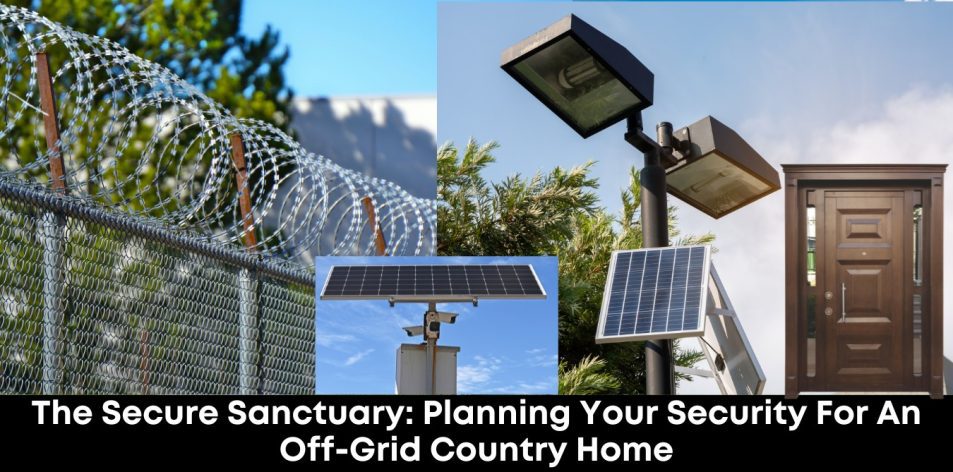
- The Layered Boundary Wall: In a country setting, building a massive stone wall across several acres can be financially draining. Instead, deploy a hybrid boundary strategy. Utilize high-tensile chain-link or razor-wire fencing reinforced by a dense, thorny natural hedge of indigenous bougainvillea or acacia. This creates an incredibly painful, impenetrable organic barrier that blends beautifully with the landscape.
- Strategic Clear Zones: Avoid planting thick bushes or dense foliage within five meters of your perimeter fence or main access gate. Maintaining an open, clear line of sight eliminates potential blind spots and hiding zones, ensuring your security cameras and patrol staff have complete visibility at all times.
- Reinforced Access Control points: Your primary gate is the ultimate bottleneck. Invest in a heavy, reinforced steel gate equipped with a mechanical drop-bar system. Ensure the gate track is cleared daily of dirt and stones so automated sliding motors can shut the entrance smoothly without jamming during emergencies.
II. Powering Your Defense: Off-Grid Solar Security Infrastructure
A security system is only as reliable as the energy network that keeps it running. In the wilderness, your power architecture must be completely self-sustaining.
- The Dedicated Security Solar Array: Never connect your critical security assets to your home’s main appliances on a single circuit. Separate your perimeter lighting, electric fencing, and monitoring systems onto a dedicated hybrid inverter system backed by high-capacity Lithium Iron Phosphate (LiFePO4) batteries. This ensures that even if a heavy domestic appliance trips the main household breaker at midnight, your security shields remain fully active.
- Low-Consumption LED Perimeter Lighting: Illuminating your compound is a massive deterrent, but running high-wattage floodlights all night will rapidly drain your energy banks. Transition entirely to smart, motion-activated LED security lights. These remain at a dim, energy-saving ten per cent luminosity until movement is detected, instantly flashing to full brightness to startle intruders.
- High-Voltage Electric Fencing: A multi-strand electric fence hooked up to a high-output solar energizer is a standard requirement for country homes. Ensure the system includes automated zone-alarm monitors that immediately trigger an internal siren if a wire is cut, grounded by a falling branch, or short-circuited.
III. Digital Surveillance and Remote Communication Mechanics
When living in the middle of nowhere, seeing an approaching threat early gives your household the vital time required to respond effectively.
- Smart CCTV Configurations: Deploy a network of high-definition, weather-sealed IP cameras equipped with color night-vision capabilities. Position them to monitor all entry points, blind corners, and the perimeter gate. Utilize modern cameras with built-in artificial intelligence that can accurately distinguish between a passing wild animal and a human silhouette, preventing constant false alarms.
- Reliable Satellite and Long-Range Connectivity: Traditional mobile network signals can be erratic in rural regions. Installing a reliable satellite internet solution ensures your security system can transmit instant push-alerts to your smartphone and stream live camera feeds to a centralized security monitoring company, keeping you connected to help.
- Long-Range Radio Communication: Keep a set of fully charged, heavy-duty UHF/VHF handheld walkie-talkies in the master bedroom and staff quarters. If a local mobile network tower fails during a storm, these radios provide an independent, instantaneous line of communication across your acreage without relying on external infrastructure.
IV. Internal Fortification: The Safe Haven Concept
If an intruder successfully breaches your outer perimeter shields, your home’s interior design must provide an unbreachable secondary sanctuary for your family.
- The Heavy Duty Safe Zone: Designate a specific sector of the home—ideally the master bedroom wing or the upper floor landing—as a structural safe room. Fortify the entrance with a solid steel security door disguised as standard hardwood, complete with heavy-duty deadbolts and reinforced steel frames that resist mechanical leverage.
- Independent Emergency Control: Inside your safe room, install a secondary security control panel. This allows you to manually activate the main compound panic sirens, lock down automated roller shutters, and access live camera feeds even if the main ground-floor control hub has been compromised.
- Emergency Power and Survival Rations: Keep a compact, independent emergency bag in your safe room. This should contain a dedicated backup power bank for communication devices, a first-aid kit, a high-lumen flashlight, and a supply of pure drinking water to keep your family comfortable while waiting for response teams.
V. Community Integration and Fostering Peace (Sakinah)
True security is never built entirely on technology; it is deeply rooted in human relationships, discipline, and mutual respect (Ta’awun).
- Building Bonds with the Local Community: In our worldview, looking after the welfare of your neighbors is a sacred duty. When you move into a rural area, take the time to introduce yourself to the local elders, neighboring farmers, and community leaders. Supporting local youth employment and participating in community upliftment programs builds a shield of goodwill around your estate, turning the local community into your most loyal lookout network.
- Regular System Audits and Drills: Security hardware degrades quickly under harsh country sun and dusty winds. Dedicate one morning every month to testing your backup batteries, clearing cobwebs and dust from camera lenses, checking the tension of your electric fence wires, and ensuring your emergency alarms ring clearly.
Approaching your off-grid security plan with rigorous organization, high-quality solar engineering, and community empathy is an expression of true personal excellence (Ihsan). By methodically layering your defenses, you eliminate vulnerability and replace anxiety with a deep, steady sense of internal calm and tranquillity (Sakinah). Your home should remain a place of reflection, rest, and beautiful memories, completely shielded from external chaos. Plan with foresight, execute with precision, and enjoy the absolute abundance of your self-sufficient sanctuary. May the Almighty always hold your country home under complete protection, and may your estate remain a constant source of safety, peace, and physical well-being for your entire family.