Understanding Mid-Life Shifts, Physical Triggers, and Anchoring the Heart in Tawakkul
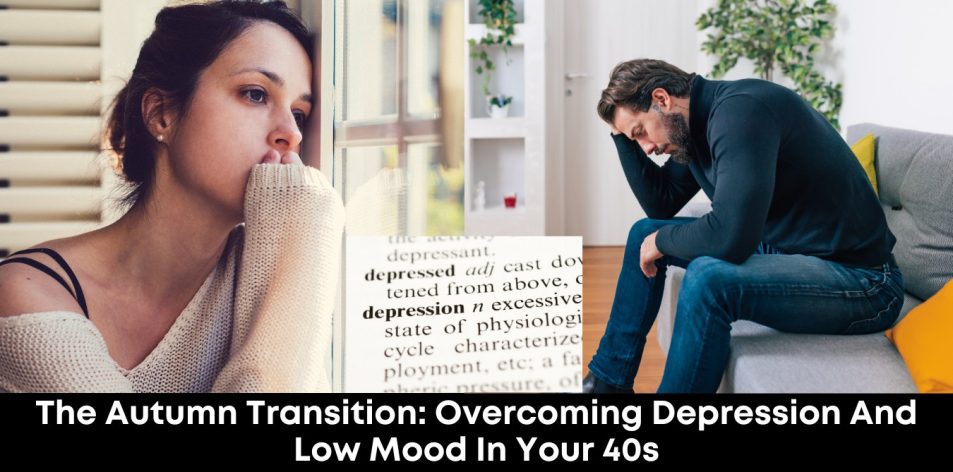
Entering your 40s is a profound milestone that marks a transition into a phase of deeper wisdom, maturity, and self-awareness. However, this decade often brings a unique and heavy set of emotional challenges that can catch many individuals completely off guard. It is during this period that a persistent gray cloud—manifesting as chronic fatigue, loss of joy, and a deep sense of emotional heaviness or depression—can begin to settle into daily life. In our tradition, our mental and emotional well-being is viewed as an intricate part of the Amanah (trust) of our health. Experiencing a prolonged dip in your mood is not a sign of weak faith; rather, it is a complex intersection of biological shifts, accumulating life stressors, and a call to realign your internal anchors. In 2026, medical research and psychological science highlight that mid-life emotional struggles are incredibly common and heavily tied to physical changes. By addressing these root causes holistically and consciously relying on Allah through active trust (Tawakkul), you can navigate this transition and reclaim your internal peace (Sakinah). This guide explores what may be affecting you during this decade and practical steps to restore your vitality.
I. The Biological and Hormonal Catalysts of the 40s
Before looking at external pressures, it is vital to recognize that your body undergoes significant internal chemical shifts during your 40s that directly govern brain chemistry.
- The Mid-Life Hormonal Shift: For women, the 40s typically bring perimenopause, a phase where estrogen and progesterone levels fluctuate erratically before dropping. For men, gradual declines in testosterone occur. These hormonal transitions directly alter neurotransmitters like serotonin and dopamine, frequently triggers sudden anxiety, unprovoked sadness, and sleep disturbances.
- Nutritional Deficiencies and Thyroid Sluggishness: As the metabolism slows down, the body’s ability to absorb vital nutrients weakens. Low levels of Vitamin D, Vitamin B12, and iron are notoriously linked to depressive symptoms and extreme lethargy. Similarly, a sluggish thyroid gland can mimic clinical depression by draining your daily physical energy.
- The Accumulation of Sleep Debt: Decades of prioritizing career expansion, managing households, and late nights catch up to the nervous system in your 40s. A chronically sleep-deprived brain loses its resilience against emotional stress, making small daily hurdles feel completely overwhelming.
II. Navigating the Weight of Life Transitions
The 40s represent a demographic squeeze, where individuals often find themselves carrying the emotional and logistical weight of multiple generations simultaneously.
- The Sandwich Generation Pressure: Caring for aging parents while simultaneously raising teenagers or young adults creates a constant state of high-alert stress. This perpetual emotional output can lead to deep psychological burnout if you do not establish healthy boundaries.
- Existential and Career Reflection: Reaching your 40s often triggers a period of deep evaluation. You may look at your business, career, or personal achievements and experience a sense of stagnation, questioning your purpose or grieving unfulfilled timelines, which can fuel a slow-burning mid-life melancholy.
- Changing Dynamics of the Household: As children grow more independent, the daily rhythm of the home alters drastically. This shift in utility and identity can create a quiet void, requiring a deliberate reinvention of your personal goals and daily routines.
III. The Spiritual Anchor: Practicing Active Tawakkul
Overcoming low mood requires utilizing all the spiritual and psychological provisions created for us, grounding the restless heart in divine reassurance.
- The Reality of Divine Decrees: True peace of mind begins when we embrace the concept of Qadr (destiny) and remember that life moves in distinct seasons. Your 40s are not the end of your vitality; they are the beginning of your spiritual harvest. Trusting that every trial is designed to purify and elevate your character changes your perspective on suffering.
- Turning to Consistent Dua and Remembrance: When the mind feels crowded with anxious thoughts, dedicating quiet moments after morning or evening prayers to deep, intentional supplication acts as a psychological release valve. Pouring out your vulnerabilities directly to the Creator fosters a profound sense of companionship and safety.
- Seeking Remedies as an Act of Faith: In our worldview, seeking professional help—whether through clinical counseling, evidence-based therapy, or consulting a medical practitioner—is a highly encouraged path. Just as you would treat a physical fracture or a severe infection with medicine, treating a chemical imbalance or psychological wound is an expression of protecting your Amanah.
IV. Daily Holistic Habits to Rebuild Emotional Resilience
Small, methodical alterations to your daily infrastructure can radically improve your brain chemistry and lift the heavy fog of low mood.
- The Anti-Inflammatory Dietary Reset: There is a powerful, direct connection between your gut health and your brain function. High-sugar diets, processed foods, and excessive caffeine fuel systemic inflammation, which actively worsens depressive symptoms. Focus on wholesome, real foods (Tayyib) including fresh leafy greens, olive oil, dates, and lean proteins.
- Introducing Non-Negotiable Daily Movement: Strenuous, exhausting workouts are not necessary. Engaging in a brisk 30-minute walk in natural sunlight every morning triggers the release of endorphins, lowers cortisol levels, and naturally elevates your baseline mood for the entire day.
- The Discipline of Saying No: Protect your declining energy reserves by practicing healthy self-discipline. Avoid overcommitting to social obligations or excessive corporate tasks that drain your capacity for rest, ensuring you leave ample time for your own recovery and peace.
V. Emerging with Restored Purpose and Grace
Walking through a season of low mood in your 40s requires immense patience (Sabr) and self-compassion. Your body and mind are signaling that your current lifestyle blueprint needs adjustment. See this decade not as a period of decline, but as an invitation to slow down, shed superficial worries, and deepen your connection to your purpose and your Creator. By balancing medical awareness, lifestyle adjustments, and unshakeable reliance on Allah, you can step into the most fulfilling, tranquil, and impactful years of your life. May your heart always find its rest in the remembrance of the Almighty, and may your days be blessed with continuous health, clarity, and abundant joy.