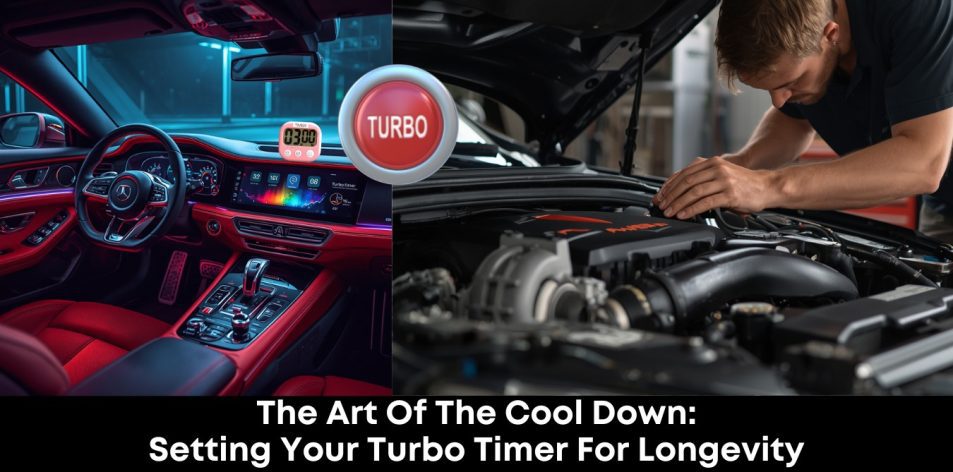
Protecting Your Engine Through Patience and Technical Wisdom
In the world of high-performance diesel and petrol engines, the turbocharger is a marvel of engineering that provides power and efficiency. However, with great power comes the responsibility of proper care, a concept we recognise as “Amanah”—the stewardship over our valuable possessions. For many drivers in Kenya, especially those navigating the long stretches of the Rift Valley or the steep inclines of the Highlands, a turbo timer is an essential tool. It allows the engine to idle for a set period after the key is removed, ensuring that oil continues to circulate and cool the turbocharger. But how long is long enough? Setting your timer correctly is an act of “Ihsan” (excellence) that prevents “oil coking” and extends the life of your vehicle. This guide breaks down the ideal settings for various driving conditions to ensure your engine remains a faithful servant for years to come.
I. Why Does Your Turbo Need a Timer?
To understand the timing, we must first understand the heat. A turbocharger operates at incredible speeds and extreme temperatures, sometimes reaching over 700 degrees Celsius.
- Preventing Oil Coking: If you shut off your engine immediately after a hard drive, the oil sitting inside the turbo stops circulating. The intense residual heat “cooks” this stagnant oil, turning it into hard carbon deposits (coking). This eventually clogs the oil lines and destroys the turbo bearings.
- Bearing Protection: The timer ensures that the turbocharger’s internal turbine has slowed down to a safe speed while fresh oil is still being pumped through it, providing a “soft landing” for the mechanical components.
II. Short City Drives: 30 Seconds to 1 Minute
Even if you are only driving through Nairobi’s city traffic or running a quick errand in the neighbourhood, your turbocharger is still working, albeit at lower pressures.
- Normal Conditions: For drives under 15 minutes at low to moderate speeds, a setting of 30 seconds is usually sufficient. This allows the heat to stabilise before the oil flow stops.
- Stop-and-Go Traffic: If you have been stuck in heavy, creeping traffic where the engine bay gets quite hot due to lack of airflow, increase your timer to 1 minute to ensure the cooling system has a chance to catch up.
III. Long Highway Drives: 2 to 3 Minutes
When you have been cruising at high speeds on the highway or the expressway, the turbocharger is under constant load and generates significant heat soak.
- The High-Speed Cool Down: After a long journey—such as driving from Nairobi to Nakuru—set your turbo timer to at least 2 minutes. This provides the necessary window for the oil to pull the heat away from the turbo’s core.
- Heavy Loads and Towing: If your vehicle is heavily loaded or if you are towing a trailer, the engine works much harder. In these cases, a 3-minute cool-down period is the safest setting to protect your investment.
IV. Mountain Climbing and Off-Roading: 3 to 5 Minutes
Steep climbs and low-speed, high-torque off-roading are the most taxing conditions for a turbocharged engine. Airflow is often lower, while engine stress is at its peak.
- Maximum Heat Management: After climbing a steep escarpment or navigating a difficult muddy track, your turbo will be at its hottest. A setting of 3 to 5 minutes is recommended.
- The “Final Mile” Rule: You can reduce the time needed on the timer by practicing “Sabr” (patience) during the last few kilometres of your journey. Drive slowly and keep the RPMs low as you approach your destination to begin the cooling process naturally.
V. Maintaining Your Turbo Timer System
- Electrical Integrity: Ensure your turbo timer is installed by a professional to avoid interfering with your vehicle’s alarm or immobiliser system. A faulty installation can lead to battery drain.
- Oil Quality: A turbo timer can only do so much if your oil is old or of poor quality. Always use high-grade synthetic oil that is designed to withstand high temperatures without breaking down.
- Safety First: Always ensure your handbrake is firmly engaged and the vehicle is in neutral (or park) before relying on the turbo timer to shut down the engine while you walk away.
By taking these extra moments to allow your engine to rest, you are demonstrating a disciplined and wise approach to vehicle ownership. Patience at the end of a journey is just as important as focus during the drive itself. May your vehicle be a source of ease and your journeys be filled with safety and Barakah. By respecting the mechanical needs of your car, you honour the trust of the resources you have been given.