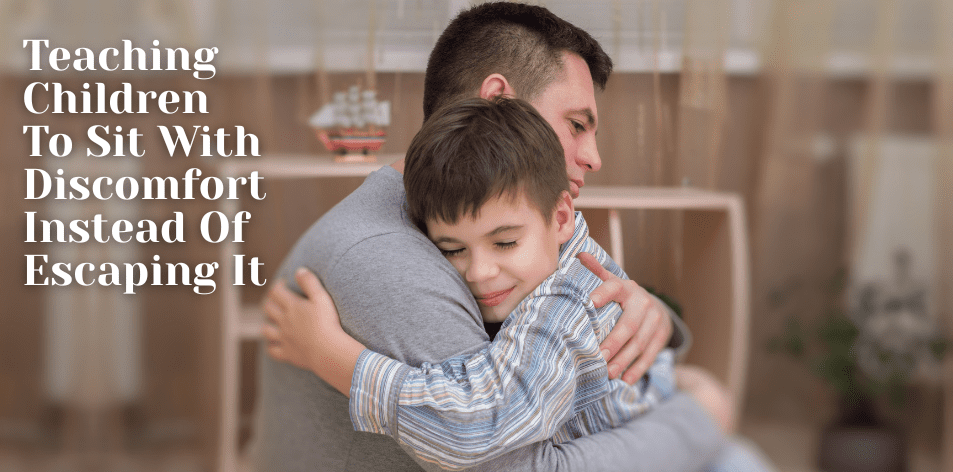
Building Resilience In An Age Of Constant Comfort
Children today are growing up in an environment designed to reduce discomfort at every turn. With instant entertainment, immediate solutions, and constant parental intervention, they are often shielded from frustration, boredom, and failure.
While comfort is not harmful in itself, excessive protection can unintentionally weaken a child’s emotional endurance. The ability to sit with discomfort—without rushing to escape it—is one of the most important life skills a child can develop. It shapes patience, emotional stability, and long-term resilience.
Why Discomfort Is Necessary for Growth
Discomfort is not a negative experience; it is a developmental tool. It teaches children how to navigate real-life challenges and build inner strength.
Key benefits include:
• Resilience: Developing the ability to recover from setbacks
When children are constantly rescued from discomfort, they may become dependent on external solutions rather than internal strength.
The Hidden Cost of Constant Rescue
Many parents, with good intentions, step in too quickly to “fix” difficult situations. This may include:
• Avoiding situations where the child might fail
While this protects the child in the short term, it can limit emotional growth.
Children who are rarely allowed to struggle may struggle later with:
• Avoidance of challenges
Allowing small, manageable struggles helps children discover: “I can handle this.”
Teaching Emotional Regulation Through Discomfort
One of the most valuable life skills is learning that emotions do not require immediate action.
When children experience discomfort, they should be guided to:
• Reflect afterwards – “What can I learn from this?”
This process builds emotional intelligence and helps children understand that feelings are temporary, not controlling forces.
Building Tolerance for Everyday Challenges
Parents can help children gradually build comfort with discomfort through everyday situations such as:
• Sitting with “not knowing” before receiving answers
These small experiences train the mind to stay steady under pressure.
Preparing Children for Real Life
Adulthood is filled with uncertainty, rejection, and responsibility. Children who have never experienced discomfort may find these realities overwhelming.
However, children who have learned to sit with difficulty tend to:
• Bounce back faster from setbacks
They do not fear challenges—they approach them with confidence.
Discomfort is not something to eliminate—it is something to learn from. Avoidance weakens resilience, while guided exposure to difficulty strengthens it.
When children are taught to sit with discomfort instead of escaping it, they develop patience, emotional control, and inner strength. These qualities do not just help them succeed in childhood—they prepare them for a grounded and capable adulthood.