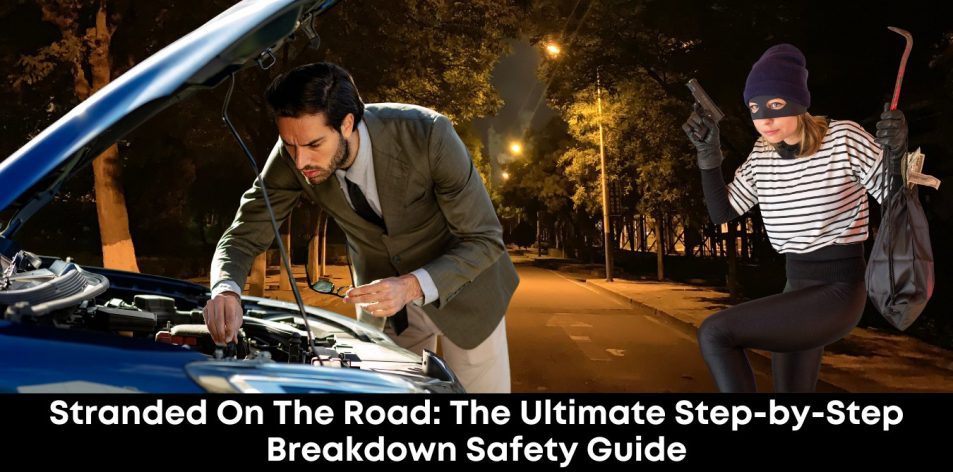
Maintaining Psychological Composure, Physical Safety, and Strategic Focus During a Vehicle Crisis
Nothing tests an urban commuter or a long-distance traveler quite like a sudden mechanical breakdown. Whether you are navigating the high-speed lanes of the Thika Superhighway, driving through the expansive stretches of the Mombasa highway, or exploring rural routes next to safari parks, a dead battery, an overheated engine, or a blown tyre can bring your day to an abrupt halt. In such moments, it is incredibly easy for panic, frustration, and vulnerability to take over. In our tradition, our life and physical safety are a profound Amanah (trust) that we must protect with deliberate action. We are guided to meet unexpected trials with patience (Sabr) and immediate presence of mind. A breakdown is not merely a mechanical nuisance; it is a high-risk situation that demands structured protocol to shield your passengers and your asset from secondary accidents or security hazards. In 2026, roadside data shows that having a clear, reactive safety routine saves lives. This guide outlines the essential physical and logical steps to handle a roadside breakdown with absolute dignity and control.
I. Immediate Isolation: Moving to the Hard Shoulder
The seconds immediately following a vehicle failure are the most critical. Your primary goal is to remove your vehicle from the direct path of moving traffic.
- Do Not Stop Abruptly: The moment you hear a structural noise, feel a loss of power, or see a dashboard warning light, resist the temptation to slam on the brakes in the middle of the lane. On busy Kenyan highways, oncoming vehicles traveling at high speeds require significant braking distance to avoid a rear-end collision.
- Coast to the Left Margin: Signal early and smoothly steer your vehicle toward the left-hand shoulder, hard verge, or a designated layby. If your engine has cut out completely, be prepared for your steering wheel and brake pedal to feel significantly heavier; maintain your momentum until your vehicle is entirely clear of the active driving lane.
- Secure the Wheels: Once safely parked on the shoulder, engage your handbrake firmly. Turn your front steering wheels completely to the left, away from the highway. In the rare event that your stationary vehicle is struck from behind by another motorist, this precaution forces your car to roll further into the bushes rather than veering back into active traffic.
II. Signaling and Physical Visibility Mechanics
Once stationary, you must transform your vehicle into a highly visible warning beacon for other road users, especially during heavy downpours or nighttime travel.
- Activate the Hazards Instantly: Depress your hazard light button immediately. These synchronous flashing indicators warn trailing motorists that your vehicle is unmoving, giving them ample time to change lanes safely. If a breakdown occurs at night, keep your side parking lights turned on and illuminate your interior dome light to maximize your vehicle’s silhouette.
- Deploying the Reflective Triangles: In Kenya, carrying two reflective warning triangles is a strict legal requirement, but deploying them correctly is what preserves your life. Put on a high-visibility fluorescent safety vest before stepping out. Walk carefully along the verge and place the first triangle at least 50 meters behind your vehicle. If your car is stalled just past a blind corner or the crest of a hill, place the triangle before the bend to give oncoming drivers a crucial early warning.
- The Rule of Exit: If you must exit the vehicle to inspect a tyre or place a triangle, always step out through the left-hand passenger doors, away from the roaring traffic lane. Never stand directly in front of or behind your vehicle on a highway shoulder, as you risk being crushed if another car clips your asset.
III. Structural Assessment and Calling for Professional Aid
Unless you are dealing with a simple flat tyre on a perfectly level, secure surface, attempting complex mechanical repairs on the side of a busy highway is an unnecessary hazard.
- Diagnose Without Disassembling: Look at your dashboard gauges and indicators. Is the temperature needle pinned in the red zone? An overheated radiator requires at least 30 to 45 minutes to cool down; explicitly avoid opening a hot radiator cap, as the pressurized boiling fluid can cause severe burns. If you smell electrical burning or see wisps of smoke, immediately evacuate all passengers to a safe distance behind the highway barrier.
- Contact Verified Roadside Assistance: Do not rely on casual, unverified roadside vendors or unregistered mechanics who approach your stranded vehicle. Utilize established, certified automotive assistance networks. Keep emergency hotlines, such as AA Kenya (0709 933 000), your comprehensive insurance breakdown desk, or a trusted family mechanic, saved directly in your phone contacts.
- Share Your Exact GPS Coordinates: Open your smartphone mapping application and drop a precise location pin. Send your live location tracking link alongside your vehicle’s registration number to a trusted family member or business partner. This extra step ensures your close circle knows exactly where you are stationed and can monitor your logistics until help arrives.
IV. Managing On-Site Security and Passenger Well-Being
Waiting for a tow truck or a recovery patrol requires a calm, disciplined environment to keep your passengers comfortable and safe.
- The Security Lock Protocol: If your vehicle breaks down in an isolated area, late at night, or in an environment where you feel exposed, the safest choice is to remain inside your vehicle. Keep all windows rolled up, lock every door, and keep your seatbelts fastened. If a stranger approaches to offer assistance, communicate exclusively through a tiny crack in the driver’s window until you verify their professional identity.
- Hydration and Emergency Rations: A lengthy breakdown delay can stretch for hours. Maintain a permanent emergency supply kit in your boot containing several bottles of pure water, simple non-perishable snacks, a fully charged portable power bank for your mobile devices, and a high-powered flashlight.
- Maintaining Internal Tranquillity: Use the waiting period as an opportunity to practice internal composure (Sakinah). Avoid blame, arguments, or despair over the disrupted schedule. Trust that your safety is orchestrated by the ultimate Protector, and focus on coordinating your rescue methodically.
V. Safely Re-Entering the Flow of Traffic
Once your vehicle has been repaired, a flat tyre swapped, or a battery jump-started, rejoining a high-speed highway requires extreme care.
- Build Momentum on the Shoulder: Do not pull directly into the active lane from a dead stop. Keep your hazard lights on, check your mirrors thoroughly, and accelerate along the hard shoulder parallel to the road until your vehicle matches the general speed of the oncoming traffic.
- Merge with Precision: Look for a clear, safe gap in the left lane, cancel your hazard lights, indicate your intention clearly, and glide smoothly into the traffic stream. Maintain a conservative speed for the next few kilometers to ensure the mechanical repair holds perfectly.
Navigating a vehicle breakdown with a structured protocol is an extension of practicing personal excellence (Ihsan) and responsibility on our shared roads. By prioritizing absolute visibility, avoiding dangerous DIY highway repairs, and relying on verified professional roadside networks, you safeguard your health and your assets. May your daily travels across our beautiful country always be under complete protection, and may every journey bring you and your passengers safely to your destination in a state of perfect peace and vitality.