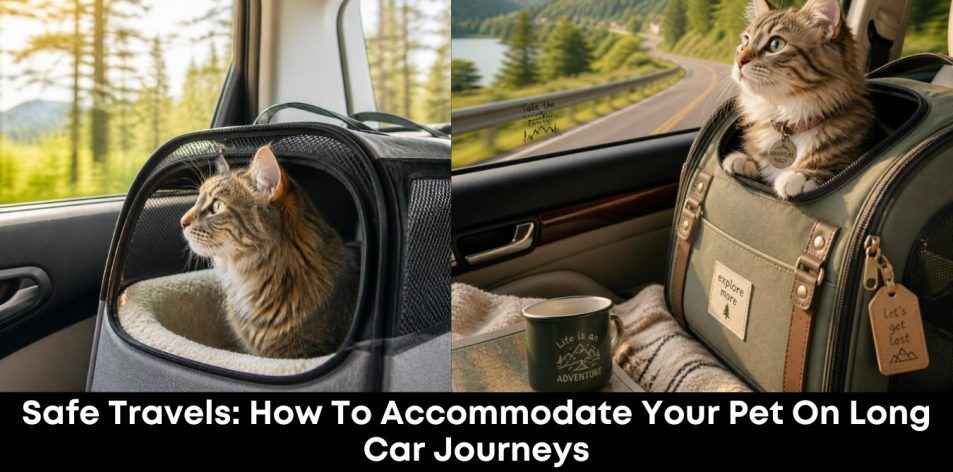
Essential Safety Protocols, Carrier Selection, and Driving Etiquette for Stress-Free Road Trips
Embarking on a long-distance road trip—whether driving across Kenya for a quiet weekend getaway, visiting family upcountry, or relocating to a new estate—requires careful planning. When traveling with a beloved animal companion, ensuring their safety, physical comfort, and emotional well-being inside the car is paramount. In our tradition, animals are recognized as a special part of creation, and bringing a pet into our care establishes a serious responsibility. Caring for an animal’s physical safety, health, and comfort is a sacred trust (Amanah) and a chance to practice compassion and personal excellence (Ihsan). Driving long hours with a pet requires balancing their comfort with absolute road safety. Unrestrained animals, improper travel enclosures, and unexpected distractions can endanger everyone inside the vehicle. By selecting the right structural carriers, managing feeding schedules wisely, and preventing dangerous driver distractions, you ensure your road trip remains smooth, safe, and stress-free. This guide explores essential tips to accommodate your pet comfortably during extended car travel.
I. Rigid Travel Carriers vs. Soft Compressible Bags: A Crucial Safety Choice
Selecting the right travel container for your pet is the most critical decision you will make before setting off on a long drive.
- The Structural Hazard of Soft Compressible Bags: Many pet owners naturally lean toward soft fabric bags or compressible carriers because they are lightweight and easy to store. However, in the unfortunate event of a sudden emergency stop or a serious vehicle collision, loose luggage, heavy bags, or falling objects inside the car can easily crush a compressible bag, causing severe physical injury to your pet inside.
- Why Rigid Heavy-Duty Carriers Are Superior: A sturdy, hard-shelled plastic or aluminium pet carrier provides a protective outer shield. In a collision, the rigid walls absorb external impact, preventing heavy items in the boot or back seat from collapsing onto your pet. Ensure the hard carrier is firmly secured using seatbelts or heavy-duty tie-down straps to prevent it from sliding off the seats during sharp turns.
- Sizing for Comfort and Ventilation: Choose a rigid carrier that offers ample cross-ventilation grilles on multiple sides. The carrier should be spacious enough for your pet to stand up, turn around naturally, and lie down comfortably without feeling cramped. Line the bottom with an absorbent pad and a familiar blanket from home to provide comforting scents.
II. Driver Distraction and Preventing Foot Pedal Accidents
Allowing a pet to roam freely inside a moving vehicle is a severe safety hazard that can lead to catastrophic accidents on the road.
- The Risk of Foot Pedal Interference: An unrestrained pet—especially an anxious cat or small dog—will naturally seek a dark, hidden space to feel safe. A common, highly dangerous instinct is for the animal to crawl down into the driver’s footwell. If a pet gets trapped behind or under the brake or accelerator pedal, the driver cannot depress the brakes in an emergency, threatening the lives of everyone in the vehicle.
- Preventing Unexpected Driver Distractions: Even a calm pet can suddenly leap onto the driver’s lap, block the rearview mirror, or obstruct the steering wheel if startled by a loud lorry horn or a sudden bump. Keeping your pet safely secured inside a rigid carrier on the back seat eliminates these driver distractions completely.
- Managing Airbag Hazards: Never allow a pet to sit unrestrained on the front passenger seat. If the front passenger airbag deploys during a minor bump, the explosive force of the bag can cause fatal injuries to a small animal sitting nearby.
III. Managing Feeding Schedules for Short to Medium Journeys
Understanding animal digestive mechanics during road travel prevents severe car sickness, nausea, and mess inside your vehicle.
- Skip Heavy Meals on 4-to-5-Hour Trips: It is a common misconception that pets must be fed immediately before or during every journey. If your drive is a short to medium journey lasting roughly four to five hours, it is best not to feed your pet a full meal right before departure or while en route. Motion sickness is exceptionally common in animals, and travelling on a full stomach frequently leads to vomiting and digestive distress.
- Timing the Pre-Trip Meal: If you are traveling for longer than five hours, offer your pet a light meal at least three to four hours before you step into the car. This gives their stomach adequate time to digest the food fully before the vehicle starts moving.
- Prioritizing Hydration Over Food: While withholding heavy food for a 4-to-5-hour trip is safe and recommended, maintaining proper hydration is essential. Offer small, controlled sips of fresh, cool water during brief rest stops, ensuring they stay hydrated without gulping excessive liquid that could upset their stomach.
IV. Regulating Cabin Climate and Managing Rest Stops
Maintaining a calm, climate-controlled cabin environment prevents heatstroke and lowers your pet’s travel anxiety.
- Maintaining Proper Cabin Ventilation and Temperature: Ensure the car’s air conditioning is set to a comfortable, consistent temperature that reaches the back seats where the carrier is secured. Avoid pointing cold AC vents directly onto the pet, but ensure adequate airflow surrounds the carrier so heat does not build up inside the enclosure.
- The Deadly Danger of Left-Behind Pets: Never leave your pet inside a parked car unattended, even for a brief five-minute errand. Under the hot sun, the internal temperature of a parked vehicle can spike to dangerous, fatal levels in minutes, even if the windows are cracked open slightly.
- Safe Rest Stop Protocols: If you need to open the carrier door during a rest stop to offer water or check on your pet, ensure all car doors and windows are completely closed first. A panicked animal can easily slip out of the vehicle and bolt onto a busy highway in a second.
V. Traveling with Foresight, Safety, and Peace of Mind
Preparing thoroughly for car journeys with your animal companion is a tangible manifestation of foresight, personal responsibility, and excellence (Ihsan). By choosing a rigid, crash-protective carrier over a soft compressible bag, keeping your pet securely restrained away from the driver’s foot pedals, and managing their feeding schedule wisely on 4-to-5-hour trips, you protect your pet and ensure the safety of your entire family. Treat the care of your companion as a sacred trust (Amanah), navigate the roads with patience (Sabr) and courtesy, and enjoy smooth, peaceful travels across the country. May all your journeys be blessed with safety, clear roads, and enduring peace of mind (Sakinah) for you, your family, and your travel companions.