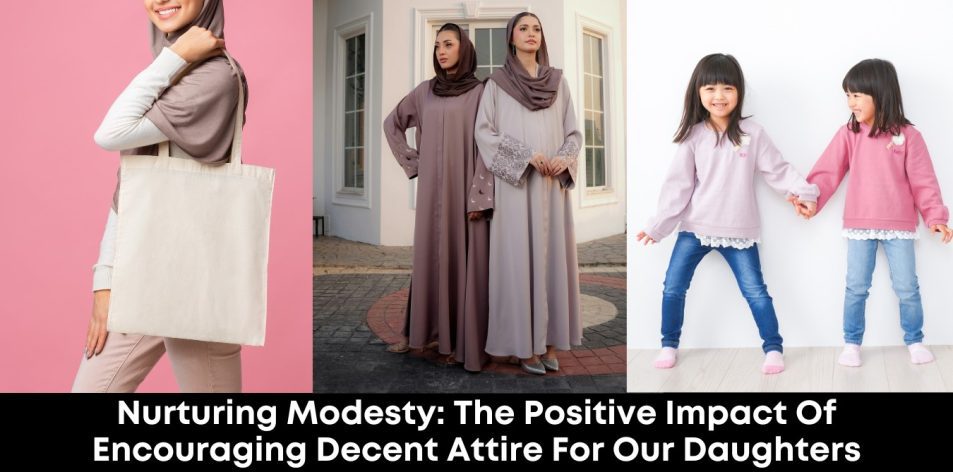
Fostering Confidence, Respect, and a Strong Sense of Self-Worth from a Young Age
In a world increasingly dominated by fleeting fashion trends and the constant pressure of social media, the concept of modesty (Haya) stands as a timeless beacon of dignity and self-respect. For parents, guiding our daughters toward dressing in a way that avoids exposing body parts is not about restriction; rather, it is about empowerment. In the Islamic tradition, Haya is described as a branch of faith—an internal compass that protects an individual’s honour and encourages a focus on character over physical appearance. By nurturing these values early on, we provide our daughters with a psychological shield, allowing them to grow into confident women who understand that their value is inherent and not dependent on the gaze of others. This article explores the positive reasons for encouraging modest attire and the long-term benefits for a young girl’s development.
I. Building Core Confidence and Self-Esteem
When a young girl is encouraged to dress modestly, the focus of her self-worth naturally shifts from her physical exterior to her internal capabilities.
- Focus on Character (Akhlaq): By choosing styles that provide full coverage, a girl learns that her most important traits are her kindness, intelligence, and skills. This builds a robust sense of self-esteem that isn’t shaken by changing beauty standards.
- Authentic Self-Expression: Modesty encourages creativity. Finding beautiful, modest outfits allows daughters to develop their own unique style without feeling the need to conform to the hyper-sexualised imagery often seen in mainstream marketing.
II. Psychological Protection and Privacy
Modesty acts as a boundary that grants a child control over who has access to her person, fostering a healthy understanding of physical privacy.
- Establishing Personal Boundaries: Teaching our daughters that their bodies are a trust (Amanah) to be protected helps them understand the importance of personal space. This awareness is a vital safety tool as they navigate the world.
- Freedom from the “Objectification” Trap: Societal pressure often pushes young girls to seek validation through their looks. Modest dressing helps bypass this trap, ensuring they are respected for their minds and actions rather than being viewed as objects of fashion.
III. Promoting Respect in Social Interactions
Dressing with dignity often commands a higher level of respect from peers and the wider community, setting a positive tone for social engagement.
- The “Dignity Effect”: People generally interact with individuals based on the cues they receive. A modest appearance signals a demand for professional and respectful treatment, which is particularly beneficial as daughters enter educational and, eventually, professional environments.
- Peer Group Influence: When parents within a community collectively encourage these values, it creates a supportive environment where girls don’t feel “odd” for being modest, but rather feel part of a dignified and principled sisterhood.
IV. Strengthening Faith and Identity
For a Muslim family, modesty is a beautiful way to connect a child to her heritage and the teachings of the Prophet (PBUH).
- A Sense of Belonging: Wearing modest clothing connects a girl to a global community of women who value humility and faith. It provides a visible sense of identity that she can carry with pride.
- Practicing Mindfulness: The act of choosing a modest outfit is a daily exercise in mindfulness (Muraqabah). It serves as a gentle reminder of her values and her relationship with the Almighty throughout the day.
V. Positive Parenting Strategies
Encouraging modesty should always be a journey of love, conversation, and positive reinforcement rather than force.
- Lead by Example: Children often emulate their parents. When they see their mothers and older sisters dressing with elegance and modesty, they naturally view it as the standard of beauty and adulthood.
- The Power of Praise: Instead of focusing on what they “cannot” wear, praise them when they choose a modest outfit. Use phrases like, “You look so dignified,” or “That outfit really shows your grace.”
- Shopping as Bonding: Make finding modest clothes a fun activity. Explore local boutiques that specialise in modest wear or look for creative ways to layer trendy pieces to ensure they remain modest and stylish.
Guiding our daughters toward modesty is a gift that will serve them for a lifetime. It equips them with the confidence to stand firm in their values, the wisdom to protect their privacy, and the grace to move through the world with dignity. By focusing on the positive aspects of Haya, we help our daughters blossom into women of substance who are respected for who they are, not just for how they look. May our homes be places where modesty is celebrated and where our daughters find the support they need to shine with both internal and external beauty.