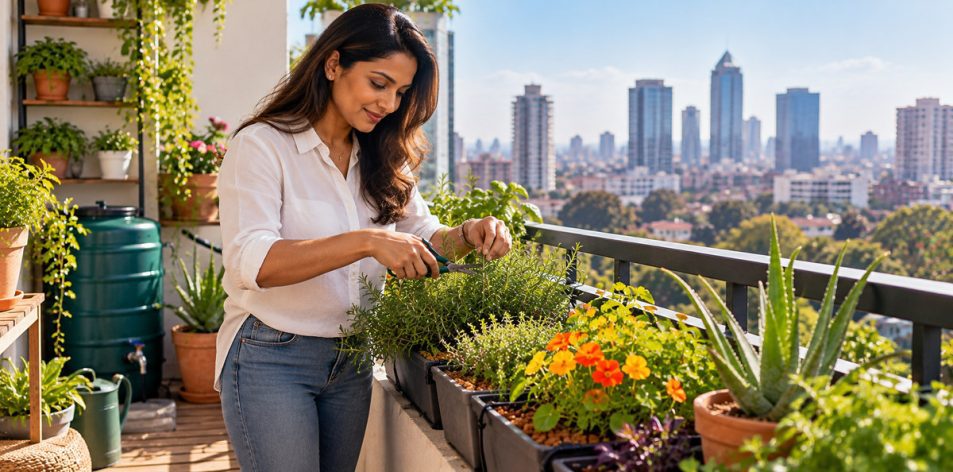
Planning Your Space
Before any soil or seed touches the balcony, take a moment to understand the constraints and opportunities of your high‑rise setting. Most Nairobi apartments have balconies that are either exposed to full sun, partial shade, or wind‑driven breezes. A quick walk around the perimeter, noting where the morning light lingers and where shadows fall in the afternoon, will inform the plant palette you choose. Equally important is the load‑bearing capacity of the balcony floor; lightweight containers and a modest soil depth keep the structure safe while still offering enough room for roots to explore.
Assess Light, Wind and Weight
A sunny balcony can host Mediterranean herbs and succulents that love heat, whereas a shadier nook is better suited to leafy greens such as kale or Swiss chard that tolerate lower light. If the balcony faces prevailing winds, consider wind‑breaks made from bamboo screens or reclaimed timber. Finally, check the building’s guidelines – many complexes limit the total weight of planters to a few kilograms per square metre. Using hollow terracotta pots or fabric grow bags can dramatically reduce the load while still providing a sturdy growing environment.
Choosing Drought‑Tolerant Plants
The key to a low‑water garden is selecting species that thrive on minimal irrigation. Nairobi’s climate, with its distinct wet and dry seasons, favours plants that store water or have deep root systems. Below is a short list of affordable, readily available options that also add culinary or visual interest.
- Herbs: Rosemary, thyme, sage, and oregano – all hardy, aromatic, and perfect for cooking.
- Succulents: Aloe vera, Euphorbia spp., and Haworthia – they store moisture in fleshy leaves.
- Edible Flowers: Calendula and marigold – they tolerate dry spells and brighten any dish.
- Leafy Greens: Swiss chard and kale – choose compact varieties that can be harvested continuously.
- Native Shrubs: Small‑leafed agapanthus or certain Aloe species that are indigenous to East Africa and accustomed to local rainfall patterns.
When buying, look for nursery stock labelled “drought‑tolerant” or “low‑maintenance.” Even within a single species, some cultivars are bred for water efficiency, so a quick chat with the seller can steer you toward the best choice.
Preparing a Simple Soil Mix
A well‑draining medium is the foundation of any water‑wise balcony garden. Commercial potting mixes often contain peat, which retains too much moisture for dry‑season planting. Instead, blend the following ingredients in a large container:
- One part high‑quality compost – provides nutrients and a light structure.
- One part coarse sand or fine gravel – improves drainage and aeration.
- One part perlite or pumice – adds porosity without adding weight.
Mix thoroughly until the texture feels like a gritty loam. This blend holds enough moisture for the plant’s needs but releases excess water quickly, reducing the risk of root rot during occasional over‑watering.
Water‑Saving Techniques
Even the most drought‑tolerant plants benefit from occasional deep watering, especially during Nairobi’s long dry spells. The following methods stretch each litre further.
Mulch Generously
A thin layer of organic mulch – shredded coconut husk, straw, or even dried leaves – placed on the soil surface cuts evaporation and keeps the roots cool. Mulch also adds a tidy, finished look to the balcony.
Self‑Watering Containers
Containers with built‑in water reservoirs, such as those with a wicking wick or a reservoir tray, allow plants to draw water as needed. Fill the reservoir once a week and let capillary action do the rest.
Drip Irrigation or Soaker Hoses
A simple drip line fed from a small water‑storage barrel can be positioned to run along the back of the balcony. A timer set for early morning or late evening ensures water reaches the root zone without evaporating in the heat.
Rainwater Harvesting
If your building permits, place a shallow, covered trough on the balcony edge to collect runoff from the roof. The stored water can be filtered through a fine mesh and used to top up containers during dry periods.
Step‑by‑Step Build
With the plan in place, it’s time to turn the balcony into a thriving green space. Follow these practical steps, adjusting as needed for your specific layout.
- Clear and Clean: Remove any debris, sweep the floor, and wipe down railings. A clean surface prevents mould and pest harbourage.
- Install Drainage: Lay a thin layer of broken terracotta shards or coarse gravel at the base of each pot to ensure excess water can escape.
- Choose Containers: Position lightweight pots or fabric grow bags where they receive the appropriate light. Group plants with similar water needs together.
- Fill with Soil Mix: Add the prepared loam to each container, leaving a 2‑cm gap at the top to accommodate watering.
- Plant Thoughtfully: Gently loosen roots, place the plant at the same depth it was in its nursery pot, and firm the soil around it. Space herbs and succulents to allow airflow.
- Apply Mulch: Spread a thin mulch layer over the soil surface, being careful not to cover the plant crowns.
- Set Up Water System: Connect a drip line or fill self‑watering reservoirs. If using a rainwater barrel, position it within easy reach of the balcony.
- Test and Adjust: Water each container lightly and observe drainage. Adjust the soil mix or container placement if water pools.
Within a week, the garden should settle. Watch for signs of stress – wilting leaves may indicate insufficient water, while yellowing could suggest over‑watering or poor drainage.
Maintaining the Garden Through the Seasons
A low‑water balcony garden requires less attention than a traditional lawn, but a few seasonal habits keep it at its best.
- Prune Regularly: Trim herbs after harvesting to encourage bushier growth. Remove dead or yellowing foliage to improve air flow.
- Feed Lightly: In the growing season, a diluted liquid fertiliser once a month supplies nutrients without encouraging excessive water use.
- Monitor Moisture: Stick a simple wooden dowel into the soil; if it pulls out dry, it’s time to water.
- Rotate Containers: Turn pots a quarter turn every few weeks so all sides receive equal sunlight, preventing one side from becoming overly dry.
Enjoying Your Green Retreat
Beyond the practical benefits of fresh herbs and a splash of colour, a balcony garden offers a quiet sanctuary amid the city’s bustle. Morning tea beside a pot of rosemary, or a late‑afternoon snack garnished with nasturtium petals, turns everyday routines into small celebrations of nature. The modest water footprint aligns with Nairobi’s sustainability goals, proving that even limited spaces can contribute to a greener urban environment.
With thoughtful planning, the right plant choices, and a few water‑saving tricks, any high‑rise resident can cultivate a low‑maintenance balcony garden that feeds the palate and soothes the spirit – all without demanding a large water bill or a sprawling yard.