From The Rift’s Red Horizons To The Coast’s Azure Calm
Kenya’s scenery reads like a series of postcards, each frame offering a different mood, colour and story. Whether you are chasing the sunrise over a savannah, tracing ancient rock art, or wandering a seaside town where Swahili and Arabic mingle, the country rewards the curious eye. This guide points you toward the most striking locations, suggests ways to travel responsibly, and uncovers a few quieter spots that often escape the usual itineraries.
Iconic Vistas Worth the Journey
The first images that come to mind when thinking of Kenya are the endless plains of the Maasai Mara, the snow‑capped silhouette of Mount Kenya, and the shimmering waters of Lake Naivasha. Each of these sites has been photographed countless times, yet the light changes daily, offering fresh angles for every visit.
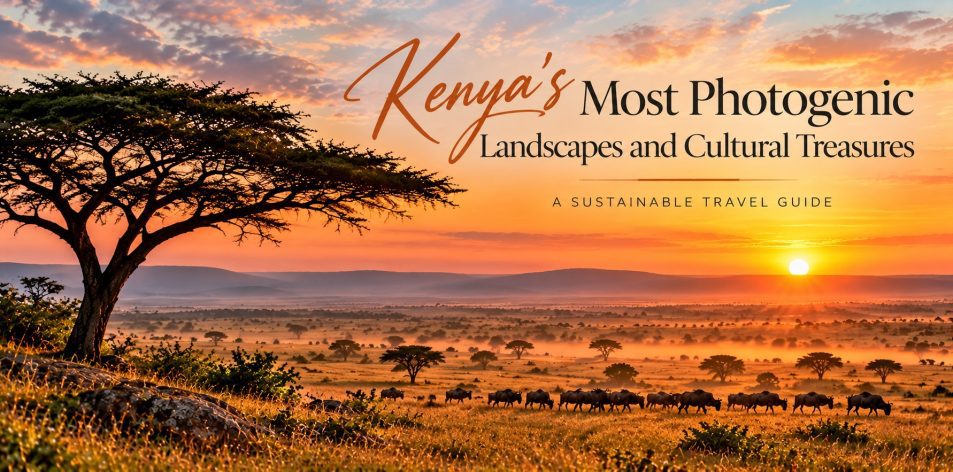
Maasai Mara National Reserve – The golden grasslands burst into colour during the Great Migration, when thousands of wildebeest and zebra cross the Mara River. Early morning drives give you the soft, warm glow that photographers prize. For a quieter experience, consider a sunrise walk with a Maasai guide; the intimacy of the landscape is hard to match from a vehicle.
Mount Kenya National Park – Africa’s second‑highest peak provides dramatic alpine scenery, from bamboo forests to glacial valleys. The trek to Point Lenana is a classic, but the lesser‑known Sirimon Route offers spectacular panoramas with fewer crowds. Night‑time stargazing from the high‑altitude camps is a reminder of how remote the mountain truly feels.
Lake Naivasha – Fringed by papyrus and dotted with flamingos, this freshwater lake mirrors the surrounding hills. A boat ride at dawn captures the mist rising off the water, while a walk along the shoreline reveals hidden coves perfect for close‑up shots of waterbirds.
Cultural Corners That Tell a Story
Kenya’s heritage is as varied as its landscapes. From coastal Swahili towns to highland villages, each place offers a glimpse into the nation’s layered past.
Lamu Old Town – A UNESCO World Heritage site, Lamu’s narrow streets are lined with coral‑stone houses, wooden doors and bustling souks. The town’s rhythm slows after sunset, when lanterns flicker and the sea breeze carries the call to prayer. Photographers love the interplay of light and shadow in the alleys.
Olorgesailie – Situated near the Great Rift Valley, this archaeological complex contains stone tools and ancient animal remains dating back over a million years. The surrounding basalt cliffs create a stark, almost otherworldly backdrop that frames the site’s historical significance.
Kakamega Forest – Known as the “rainforest of the coast,” Kakamega shelters a wealth of endemic plants and colourful birds. Guided walks led by local forest rangers reveal hidden waterfalls and traditional medicinal plants, adding a cultural dimension to the natural experience.
Hidden Gems for the Discerning Traveller
Beyond the well‑trodden paths lie locations that reward patience and curiosity.
Chyulu Hills – A volcanic range that rolls gently across the landscape, the Chyulu Hills are dotted with lava tubes and crystal‑clear streams. The area is ideal for sunrise hikes; the mist that lifts from the hills creates a soft, diffused light perfect for landscape photography.
Maralal – Nestled in the foothills of the Aberdare Range, this small town offers a glimpse of pastoral life. The surrounding highlands are dotted with acacia‑covered valleys, and the annual Maralal Cultural Festival showcases traditional music, dance and crafts.
Kora National Park – Often overlooked in favour of larger parks, Kora is a sanctuary for the endangered Grevy’s zebra and the rare Somali ostrich. The park’s open plains and occasional baobab trees provide a minimalist canvas for striking photographs.
Traveling Sustainably: Practical Tips
Kenya’s natural and cultural wealth depends on responsible tourism. The following habits help protect the places you love to visit.
- Choose locally owned lodges or eco‑friendly camps that reinvest profits into community projects.
- Hire certified guides; they not only enhance safety but also ensure that visitor fees support conservation.
- Carry a reusable water bottle and avoid single‑use plastics; many parks now provide refill stations.
- Stick to marked trails and respect wildlife distances – a respectful distance reduces stress on animals and improves your chances of capturing authentic behaviour.
- Support artisans by purchasing directly from cooperatives; this sustains traditional crafts and provides fair wages.
Putting It All Together: A Sample Itinerary
A week can be enough to taste Kenya’s diversity without feeling rushed. Begin in Nairobi, where a short visit to the Nairobi National Museum introduces the country’s history. From there, head north to the Maasai Mara for two days of wildlife photography, timing your arrival for the early morning light. Fly east to Lamu for a relaxed coastal experience, allowing the town’s architecture and sea breezes to fill your lenses. Conclude with a two‑day trek in the Chyulu Hills, where sunrise over the volcanic ridges offers a fitting finale.
Each leg of the journey can be tailored to your interests – whether you prefer birdwatching, cultural immersion or simply chasing the perfect landscape shot. The key is to move at a pace that respects both the environment and the people who call these places home.
Leaving a Positive Footprint
Kenya’s allure lies in its ability to surprise – a sudden rainstorm that paints the savannah in emerald, a quiet village where a child offers a warm smile, a hidden waterfall that seems untouched by time. By travelling thoughtfully, you become part of the story that keeps these moments alive for the next generation of photographers and explorers.
Pack your camera, respect the land, and let Kenya’s varied scenery unfold before you, one frame at a time.