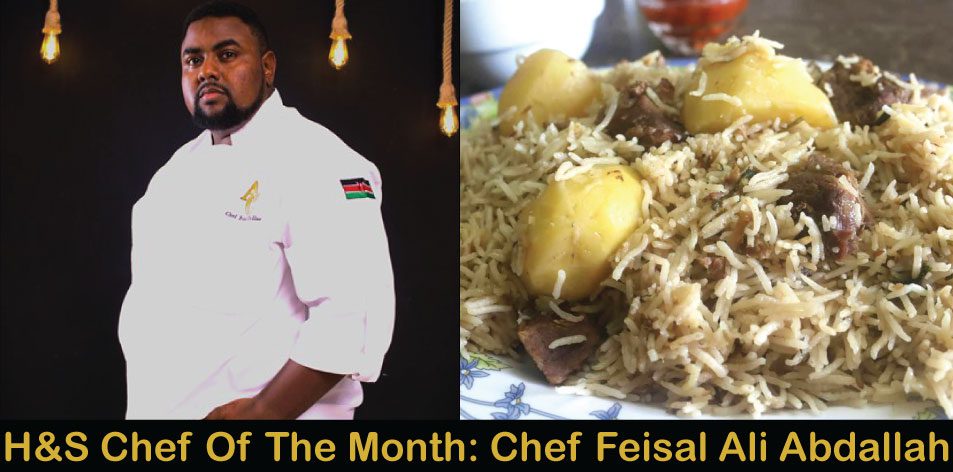
H&S Chef Of The Month
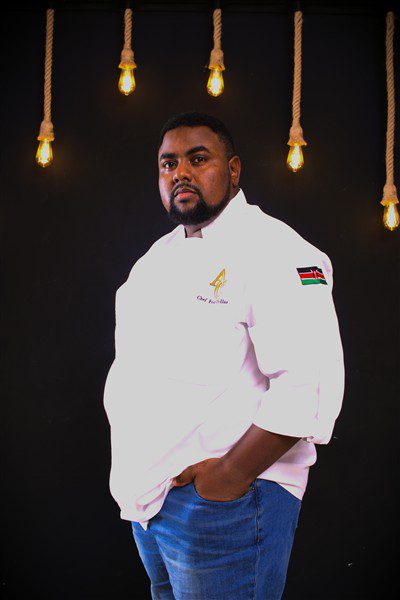
Chef Feisal Ali Abdallah
Nationality: Kenyan
Interview With H&S Magazine
Who Is Feisal Ali Abdallah?
My name is Feisal Ali Abdallah, though many people know me as Chef Dallas on social media. I am a Kenyan chef, baker, and culinary content creator based in Mombasa. Through my online platforms, I share recipes, baking tutorials, and culinary experiences with the aim of making cooking and baking enjoyable and accessible to everyone. I am passionate about inspiring people to build confidence in the kitchen while celebrating the richness of both Kenyan and international cuisine.
Type Of Cuisine?
I specialise in baking, pastries, and contemporary fusion cuisine inspired by Swahili, Middle Eastern, and international flavours. I enjoy combining traditional recipes with modern techniques to create dishes that are both comforting and memorable. To me, food is a universal language that connects people, cultures, and generations.
What Inspired You To Become A Chef?
My passion for cooking began at a young age. I was fascinated by how food has the power to bring people together and create lasting memories. Over the years, that passion grew into a career, allowing me to express my creativity, preserve culinary traditions, and inspire others to discover the joy of cooking.
What Is The Biggest Challenge You Have Faced In The Culinary Industry?
One of the biggest challenges I have faced has been building my culinary brand while balancing professional cooking, entrepreneurship, and content creation. It has taken perseverance, consistency, and a willingness to keep learning in an industry that is constantly evolving.
What’s Your Biggest Achievement In The Culinary Industry?
One of my proudest achievements has been building a strong online culinary community under the name Chef Dallas, where I have inspired thousands of people to cook and bake with confidence. I am also grateful for the opportunity to collaborate with respected brands and to share my knowledge through culinary masterclasses and educational content.
When It Comes To Cooking, What Is More Important To You, The Technique, The Ingredients Or The Creativity?
I believe all three are essential, but technique is the foundation. Great technique allows me to maximise the potential of every ingredient while giving me the freedom to be creative and consistently deliver exceptional results.
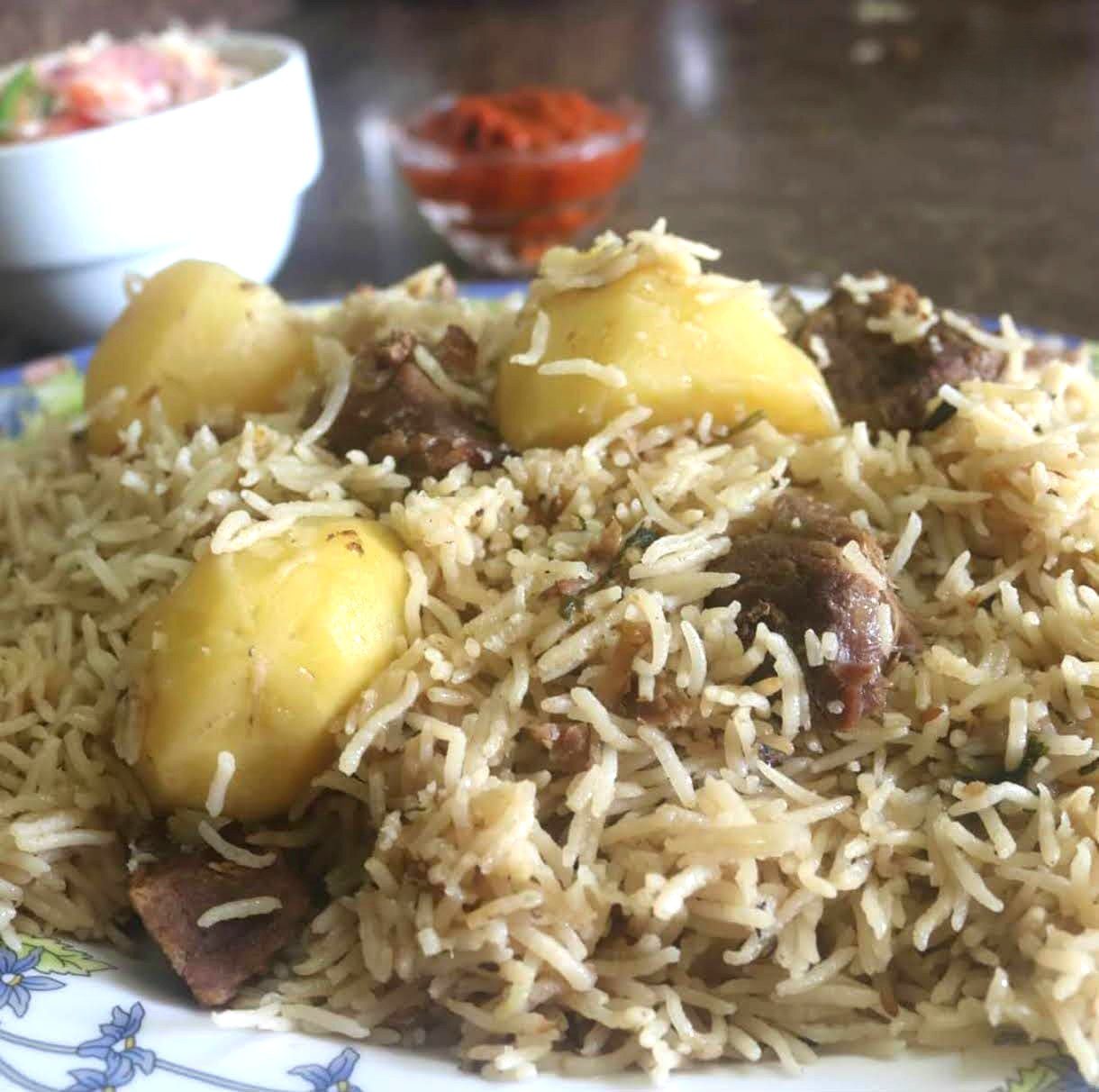
Recipe Of The Week: Swahili Mutton Pilau
The Pilau Spice Blend
Ingredients:
• 2 Tbsp cumin seeds
• 2 Tbsp coriander seeds
• 1 Tbsp black peppercorns
• 1 Tbsp green cardamom pods
• 1 Tbsp whole cloves
• 2 cinnamon sticks
The Mutton
Ingredients:
• 1 kg mutton, cut into chunks
• Salt, to taste
• Water, for boiling
The Swahili Pilau
Ingredients:
• 4 large onions, thinly sliced
• 5 cloves garlic, crushed or finely minced
• 1 Tbsp fresh ginger, crushed or finely minced
• 4 potatoes, peeled and halved
• ¼ cup vegetable oil
• 3 cups basmati rice, washed, soaked for 20–30 minutes, then drained
• 4½ cups reserved mutton broth (or water)
• Salt, to taste
Preparation: The Pilau Spice Blend
Measure all the whole spices and set them aside before you begin cooking. Keeping the spices whole allows them to slowly release their essential oils throughout the cooking process, resulting in a fragrant, well-balanced pilau with a rich golden colour.
Preparation: The Mutton
Place the mutton in a large saucepan, season lightly with salt, and cover with water. Bring to the boil, then reduce the heat and simmer until the meat is tender. Remove the mutton from the broth and set it aside, reserving the cooking liquid for the pilau.
Preparation: The Swahili Pilau
Heat the vegetable oil in a large, heavy-bottomed pot over a medium heat. Add the sliced onions and sauté until deep golden brown. Stir in the garlic, ginger, and the prepared whole pilau spice blend, cooking until fragrant.
Pour in the reserved mutton broth and bring it to a rolling boil. Add the drained basmati rice and gently stir once to distribute it evenly. Cook until most of the liquid has been absorbed, then reduce the heat to its lowest setting, cover tightly, and steam for approximately 20 minutes. Remove from the heat, allow the pilau to rest for 5 minutes, then gently fluff the rice with a fork before serving.