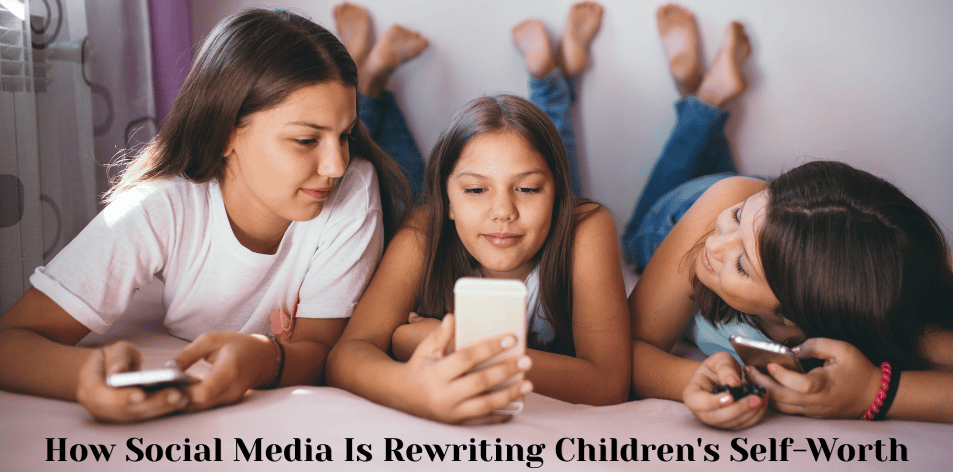
Reclaiming Identity Beyond Likes & Validation
Never before have children had so many opportunities to connect, learn, and express themselves. Yet, alongside these opportunities comes an increasing pressure to measure their worth through likes, followers, comments, and online approval.
Social media has quietly changed the way many young people view themselves. Instead of finding confidence through their character, talents, and personal growth, many begin to judge their value by digital numbers that change from day to day. Helping children understand this shift is essential if we are to protect their emotional wellbeing and help them develop lasting self-confidence.
The Comparison Trap
Social media rarely reflects reality. Most posts highlight life’s happiest moments, greatest achievements, or carefully edited images. Children, however, often compare these carefully curated snapshots with their own everyday lives.
This constant comparison can lead to feelings of inadequacy, anxiety, and the belief that everyone else is happier, more successful, or more attractive. Over time, children may begin to associate popularity with personal value rather than recognising their own unique strengths.
Shifting Focus From Appearance to Substance
One of the greatest gifts parents can offer is helping children discover who they are beyond appearance and online recognition.
Encourage children to value qualities such as:
✔ Kindness towards others
✔ Creativity and imagination
✔ Perseverance during challenges
✔ Honesty and integrity
✔ Curiosity and a willingness to learn
When children build their identity around these lasting qualities, they become far less dependent on external validation.
Teaching Healthy Digital Boundaries
Social media itself is not the enemy—it is how it is used that matters.
Healthy digital habits can include:
✔ Creating screen-free family time
✔ Encouraging hobbies away from devices
✔ Discussing unrealistic online content openly
✔ Following positive and educational accounts
✔ Setting age-appropriate limits for social media use
These habits help children use technology intentionally rather than allowing technology to shape their emotions and identity.
Rebuilding Internal Validation
Children thrive when they learn to celebrate their own progress rather than seeking constant approval from others.
Parents can encourage internal validation by praising effort instead of outcomes, recognising personal growth, and asking reflective questions such as, “What are you most proud of today?” rather than focusing on how others responded.
When children learn that their value comes from who they are—not how many people approve of them—they develop resilience that lasts far beyond childhood.
Social media will continue to evolve, but a child’s identity should remain firmly rooted in character, purpose, and self-respect rather than online popularity. By teaching children to value kindness, perseverance, and personal growth above digital approval, parents equip them with confidence that cannot be measured by likes or followers.