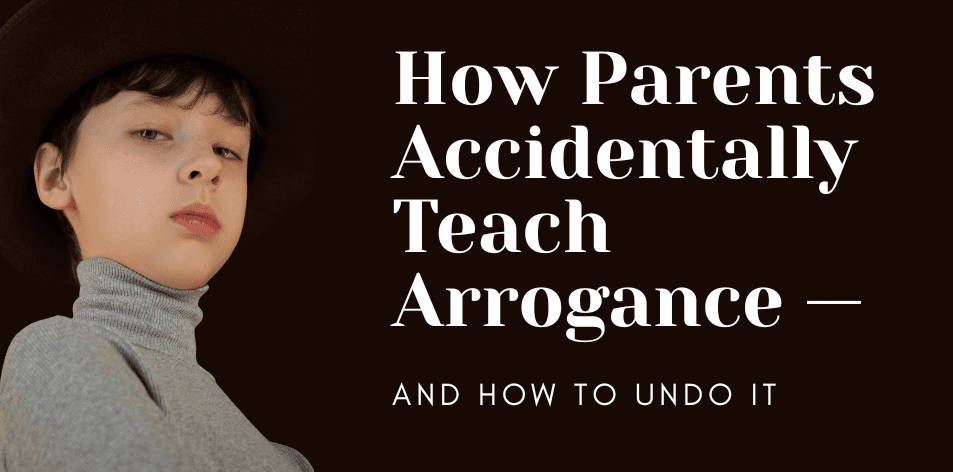
The Fine Line Between Confidence & Entitlement
Every parent hopes to raise a confident child—someone who believes in their abilities, speaks up when necessary, and faces life’s challenges with courage. Confidence is an essential ingredient for success and emotional wellbeing. However, when confidence is not balanced with humility, it can gradually transform into arrogance.
Arrogance often develops subtly. It rarely appears overnight and is usually not the result of bad intentions. In many cases, loving and supportive parents unknowingly contribute to attitudes of entitlement through the messages they communicate, the behaviours they reward, and the examples they set. Understanding these influences can help parents nurture children who are both self-assured and respectful of others.
When Praise Becomes Excessive
Encouragement plays a vital role in a child’s development, but the type of praise matters. Constantly telling children that they are the smartest, most talented, or better than everyone else can create an inflated sense of self-worth that is disconnected from effort and reality.
Children benefit most from praise that focuses on perseverance, hard work, resilience, and improvement. When parents celebrate the process rather than the outcome alone, children learn that achievement is earned through dedication. This mindset helps them remain motivated, adaptable, and appreciative of growth opportunities rather than expecting success simply because they believe they deserve it.
The Importance of Teaching Gratitude
Gratitude is one of the strongest antidotes to arrogance. Children who recognise the contributions of parents, teachers, mentors, friends, and even fortunate circumstances are less likely to view their accomplishments as entirely self-made.
Simple practices such as saying thank you, acknowledging support from others, and reflecting on daily blessings help children develop appreciation. Gratitude teaches that success is rarely achieved alone and encourages empathy for those facing different challenges. As children learn to appreciate what they have, they become more grounded and less likely to develop feelings of superiority.
Correcting Without Comparison
Many parents use comparisons as a way to motivate children. Statements such as “Why can’t you be more like your cousin?” or “You’re better than the other children in your class” may seem harmless, but they often produce unintended consequences.
Comparisons can lead to insecurity when children feel they do not measure up, or arrogance when they believe they are superior to others. Instead, parents can encourage children to focus on their personal progress. Measuring growth against their own past performance promotes healthy self-improvement while reducing the need to seek validation through comparison.
Teaching Empathy and Respect
A child who understands and values the feelings of others is less likely to become arrogant. Empathy encourages children to see the world from different perspectives and recognise that every person has strengths, struggles, and unique experiences.
Parents can nurture empathy by encouraging kindness, discussing emotions openly, and involving children in acts of service or community support. When children learn to respect people regardless of their background, achievements, or social status, they develop character traits that naturally counter entitlement.
Allowing Children to Experience Failure
One of the greatest gifts parents can give their children is the opportunity to learn from mistakes. Constantly shielding children from disappointment or rescuing them from every setback may unintentionally teach them that they should never struggle or fail.
Failure teaches resilience, accountability, and humility. Children who learn how to handle setbacks understand that growth often comes through challenges. They become more willing to accept feedback, work harder, and appreciate success when it arrives.
Modelling Humility at Home
Children learn far more from what parents do than from what they say. Parents who admit mistakes, apologise when necessary, seek advice, and treat others with kindness demonstrate that humility is not weakness but strength.
A household where respect, gratitude, and lifelong learning are practised daily creates an environment where healthy confidence can flourish. When children observe adults valuing others and remaining open to growth, they are more likely to adopt the same attitudes.
True confidence is quiet, secure, and grounded in reality. It allows children to recognise their strengths without feeling the need to elevate themselves above others. By offering balanced praise, teaching gratitude, encouraging empathy, allowing room for mistakes, and modelling humility, parents can help their children develop strong self-belief without entitlement.
The goal is not to make children think less of themselves, but to help them think of themselves accurately while respecting the value and dignity of everyone around them.