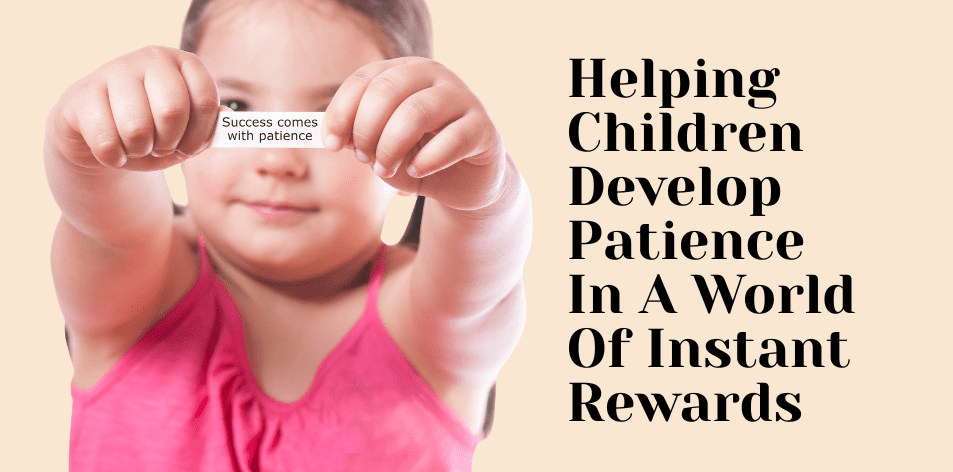
Why Waiting Is Becoming A Lost But Essential Skill
We live in an age where almost everything is available at the touch of a screen. A film can be streamed instantly, food can be delivered within minutes, and answers to questions can be found in seconds. While technology and convenience have undoubtedly improved many aspects of life, they have also created an environment where waiting has become increasingly uncommon.
For children growing up in this world, patience is no longer a skill that develops naturally. Instead, it often requires deliberate teaching and consistent reinforcement. Yet patience remains one of the most valuable qualities a child can possess. It influences emotional wellbeing, academic success, relationships, and the ability to achieve long-term goals.
Why Patience Matters More Than Ever
Patience is far more than simply waiting quietly. It is the ability to manage emotions, tolerate discomfort, and remain focused despite delays or obstacles. Children who develop patience learn that not every desire can be satisfied immediately and that worthwhile achievements often take time.
Research and everyday experience consistently show that children who can delay gratification tend to cope better with challenges, manage stress more effectively, and demonstrate greater perseverance. Rather than becoming discouraged by setbacks, they learn to remain committed to their goals and trust the process of growth.
In a fast-paced world, patience provides a sense of stability and emotional balance that many children desperately need.
The Role of Delayed Gratification
One of the most effective ways to teach patience is through delayed gratification—the ability to wait for a larger or more meaningful reward rather than choosing immediate satisfaction.
Parents can introduce this concept through simple everyday experiences. Encouraging children to save money for something they truly want, complete responsibilities before leisure activities, or wait their turn during games and conversations helps strengthen self-control.
These experiences may seem small, but they teach an important life lesson: effort often comes before reward. Over time, children begin to understand that waiting does not mean losing out; it often means gaining something more valuable.
The Hidden Benefits of Waiting
Modern culture often portrays waiting as a negative experience, yet waiting can provide important opportunities for growth. Moments of delay encourage children to develop creativity, problem-solving skills, and emotional regulation.
A child who learns to occupy themselves while waiting develops independence. A child who works patiently towards a long-term goal learns discipline. These abilities become invaluable throughout life, helping children navigate situations where success cannot be achieved immediately.
Rather than viewing waiting as wasted time, children can learn to see it as part of the journey towards meaningful accomplishment.
Modelling Patience at Home
Children pay close attention to how adults respond when things do not go according to plan. Whether it is traffic, a slow internet connection, a delayed appointment, or an unexpected inconvenience, parents provide powerful examples of how to handle frustration.
When adults react calmly and demonstrate self-control, children learn that waiting and disappointment are manageable. On the other hand, frequent impatience can unintentionally teach children that delays are intolerable.
Simple phrases such as “Some things take time” or “Let’s be patient and see what happens” can reinforce positive attitudes towards waiting and uncertainty.
Preparing Children for Real-World Challenges
Life rarely provides immediate rewards. Educational achievements require years of study. Meaningful friendships take time to develop. Career success often comes after repeated effort and perseverance.
Children who understand patience are better prepared for these realities. They are less likely to give up when progress feels slow and more likely to remain focused on their long-term objectives.
By developing patience early, children build resilience, confidence, and the emotional strength needed to face life’s inevitable challenges with composure and determination.
Patience is not passive—it is a powerful life skill that strengthens character and emotional resilience. In a culture built around instant gratification, teaching children to wait may seem challenging, but it is one of the greatest gifts parents can provide.
When children learn that worthwhile things take time, they develop the perseverance, self-control, and confidence needed to succeed in every stage of life. The ability to wait today often becomes the foundation for achievement tomorrow.