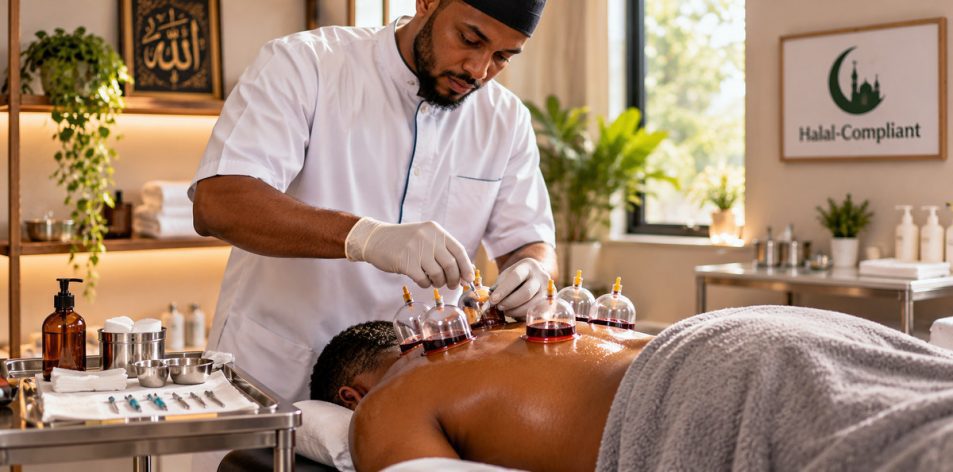
The legacy of hijama in East Africa
Cupping therapy, known locally as hijama, has travelled with traders, scholars and migrants across the Red Sea for centuries. In Kenya, the practice is most often linked to the coastal Swahili communities, where it was introduced alongside other elements of Islamic health culture. Families would call on a trusted practitioner to perform the procedure during periods of illness or after a physically demanding season, believing that the removal of “stagnant blood” could restore balance.
While the exact origins are difficult to pin down, historical accounts suggest that the method mirrors the early Islamic tradition recorded in classical texts, where the Prophet Muhammad is said to have endorsed cupping for its therapeutic value. Over time, the technique merged with indigenous understandings of the body, creating a uniquely Kenyan expression of a practice that is now recognised in many wellness centres across Nairobi, Mombasa and beyond.
What modern practitioners say about the health effects
Contemporary cuppers in Kenya tend to describe hijama as a form of “mechanical drainage”. By creating a mild vacuum on the skin and then making a small incision, a modest amount of blood is drawn out. The rationale, as explained by many practitioners, is that this process may help reduce local inflammation, improve circulation and encourage the body’s own healing mechanisms.
Clients often report feeling a sense of relaxation after a session, similar to the aftermath of a deep‑tissue massage. Some also notice a temporary reduction in muscle tightness, which can be useful for athletes or those who spend long hours at a desk. While scientific research on wet cupping is still emerging, the anecdotal evidence gathered in Kenyan clinics aligns with broader observations from other regions where the therapy is used.
Safety first: considerations before you book a session
Hijama is generally safe when performed by trained hands, but there are a few precautions that should be part of any decision‑making process.
Medical conditions that require caution
People with bleeding disorders, those on anticoagulant medication, or individuals with severe skin infections should avoid wet cupping unless cleared by a qualified medical professional. Pregnant women are also advised to seek medical advice before undergoing the procedure.
Hygiene and infection control
A reputable clinic will use sterile, single‑use blades and ensure that all equipment is disinfected between clients. The practitioner should wear gloves and follow standard infection‑control protocols. If you notice any lapse in cleanliness, it is reasonable to ask for clarification or choose another provider.
Halal compliance
For Muslim clients, the halal aspect of hijama is important. This means that the procedure should be carried out in a manner that respects Islamic guidelines – for example, ensuring that the blood is disposed of respectfully and that the environment remains modest. Many clinics advertise their adherence to halal standards, but it never hurts to ask how they manage these details.
Finding a reputable, halal‑compliant clinic in Kenya
The market for wellness services in Kenya has expanded rapidly, and with it comes a range of options for hijama. Here are some practical pointers to help you choose a clinic that meets both health and religious expectations.
- Credentials and training. Look for practitioners who have completed a recognised cupping course, preferably one that includes both theoretical and hands‑on components. Some may hold certificates from regional health bodies or Islamic health organisations.
- Licensing and registration. Verify that the clinic is registered with the relevant county health authority. This usually means the facility has undergone basic inspections for safety and hygiene.
- Clean environment. A tidy treatment room, visible sterilisation equipment and fresh linens are signs of a professional operation.
- Transparent pricing. Reputable clinics will provide a clear breakdown of costs before the session begins, avoiding hidden fees.
- Client feedback. While you should not rely solely on online reviews, hearing about other clients’ experiences – especially regarding comfort, after‑care and respect for halal practices – can be reassuring.
- Consultation process. A good clinic will begin with a brief health questionnaire and a discussion of any contraindications. This is also the moment to ask about the practitioner’s approach to halal compliance.
Integrating hijama into a modern wellness routine
If you decide that hijama aligns with your health goals, consider how it fits with other aspects of your lifestyle.
First, treat cupping as a complementary therapy rather than a stand‑alone cure. Maintaining a balanced diet, regular exercise and adequate sleep will enhance any benefits you might experience. After a session, the skin may be slightly reddened; gentle moisturisation and avoiding harsh chemicals for a day or two helps the area recover.
Second, schedule sessions responsibly. Many practitioners recommend spacing wet cupping appointments several weeks apart, allowing the body time to adjust. For athletes or individuals with high physical demands, a session can be timed during a lighter training period to minimise any temporary soreness.
Finally, keep an open line of communication with both your cupping therapist and your primary healthcare provider. If you notice any unexpected symptoms – prolonged bruising, dizziness or signs of infection – seek medical advice promptly.
A balanced perspective on hijama today
Hijama occupies a unique space in Kenya’s health landscape: it is a practice rooted in centuries‑old tradition, yet it continues to evolve alongside modern wellness trends. When approached with informed caution, it can offer a soothing addition to a holistic self‑care regimen. By choosing a clinic that respects both medical safety and halal principles, you honour the heritage of the therapy while ensuring it serves your contemporary health needs.
Whether you are drawn by family stories, personal curiosity or a desire to explore alternative modalities, the key is to stay informed, ask the right questions and listen to your body. In doing so, hijama can become a thoughtful, respectful part of your journey towards well‑being.