Why Group Play Works
There’s something about a shared ball, a common trail or a rhythmic beat that turns a casual outing into a lasting memory. When friends gather for sport, the activity becomes a social glue – a chance to unwind, to challenge each other, and to celebrate small victories together. In Kenya, the climate, the coastline and the varied terrain make it easy to find a sport that suits any crew, whether it’s a group of university mates, a weekend‑warrior circle or a mixed‑gender fitness gang.
Weekend Football Pick‑Ups
Finding a Pitch
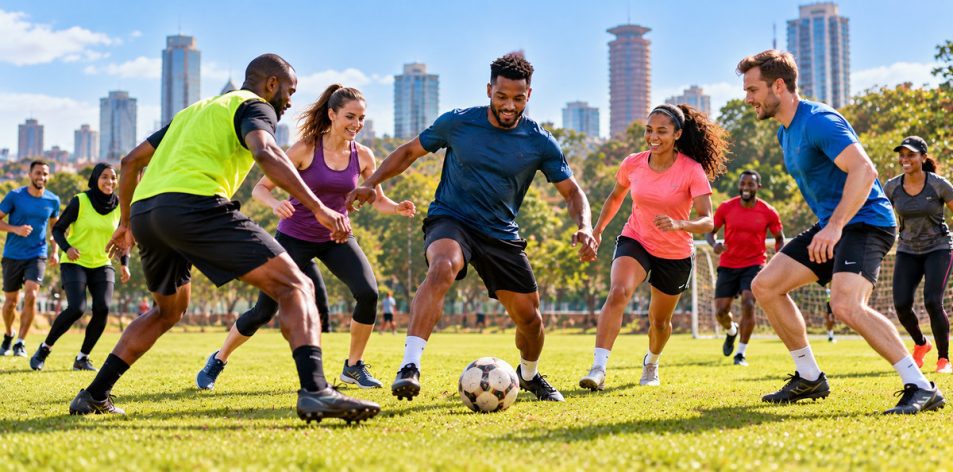
Football remains the most accessible team sport across the country. Public fields in Nairobi’s Westlands, Karen and the outskirts of Nakuru often host informal games from Friday evening into Saturday morning. A quick scan of community notice boards, local Facebook groups or the “Sports Kenya” app will reveal which pitches are free and whether they have basic amenities such as changing rooms and lighting.
Setting Up a Regular Squad
Once a venue is chosen, consistency is key. Create a simple WhatsApp or Telegram group, agree on a day – typically Saturday 9 am – and rotate the captaincy each week. A rotating captain keeps the responsibility shared and encourages quieter members to step up. Keep the rules light: five‑aside with short halves works well for mixed groups, and a “no‑shoes” policy ensures the pitch stays in good condition for everyone.
Beach Volleyball on the Coast
Choosing a Spot
Mombasa’s Nyali and Diani beaches, as well as the quieter stretches around Malindi, are popular for impromptu volleyball. Most resorts have nets that can be borrowed for a small fee, and local vendors often sell sand‑filled balls at reasonable prices. Early mornings or late afternoons avoid the strongest sun and the busiest tourist crowds.
Keeping It Friendly
A mixed‑gender game thrives on clear communication. Agree on a rotation system that guarantees each player a fair amount of time on the court. Simple gestures – a quick “yours” call after a serve – help maintain flow without needing a referee. Hydration is essential; a cooler with water, coconut water or fresh fruit juices keeps everyone refreshed.
Co‑ed Dance‑Fitness Classes
Types of Classes
From Zumba and Afro‑beat cardio to contemporary dance workshops, many gyms and community centres in Nairobi, Kisumu and Eldoret run co‑ed sessions. These classes blend music, movement and moderate cardio, making them ideal for groups that prefer a lower‑impact workout while still feeling the energy of a team.
Making It Inclusive
Ask the instructor in advance about the class’s pace and any modifications for beginners. Encourage participants to wear comfortable shoes and breathable clothing – the focus is on enjoyment, not perfection. A post‑class stretch circle, where everyone shares a quick tip or a favourite track, builds camaraderie beyond the routine.
Community Cycling Clubs
Where to Ride
Kenya’s cycling scene has grown steadily, with clubs meeting at popular hubs such as the Karura Forest trailhead, the Ngong Hills base and the outskirts of Thika. Many clubs post weekly routes on social media, ranging from leisurely 20‑km loops to more challenging hill climbs. Joining a club usually requires a modest membership fee that covers maintenance of shared bikes and occasional group rides.
Safety and Logistics
Safety is non‑negotiable. All riders should wear helmets, reflective vests and sturdy shoes. Before a ride, the organiser should circulate a route map, note any steep sections and identify rest points. For mixed‑gender groups, it’s helpful to set a “buddy system” – each rider pairs with another, ensuring no one gets left behind.
Weekend Hiking Trips
Popular Trails
Kenya’s varied topography offers hikes for every fitness level. The Aberdare Forest’s “Mwea Loop”, the Chyulu Hills’ volcanic ridges and the coastal “Shimba Hills” trek are all reachable within a day’s travel from major towns. Local tourism offices and online forums often list trail conditions, water sources and any required permits.
Planning for Mixed Groups
When organising a hike, start with a clear itinerary: departure time, expected return, and a checklist of essentials – water, snacks, a basic first‑aid kit and a weather‑appropriate jacket. Choose a trail with moderate elevation gain if the group includes beginners. Encourage participants to wear sturdy hiking boots and to pace themselves, allowing frequent short breaks for conversation and photos.
Keeping the Momentum
The success of any group sport hinges on communication, flexibility and a shared sense of purpose. Here are a few practical habits that help maintain enthusiasm:
- Set a regular cadence. Whether it’s every Saturday morning or the first Sunday of the month, a predictable schedule reduces the “what‑now?” dilemma.
- Rotate responsibilities. From organising the venue to handling post‑activity refreshments, sharing duties keeps the workload light and the ownership broad.
- Celebrate small wins. A quick shout‑out after a well‑executed goal, a high‑five after a steep climb, or a group photo at the finish line reinforces the fun factor.
- Stay inclusive. Ask new members what they enjoy most and adapt the activity where possible – a shorter half‑time in football, a slower tempo in dance, or a gentler trail gradient.
- Prioritise safety. Keep a basic first‑aid kit handy, remind everyone to stay hydrated, and have a clear plan for emergencies – a designated contact, a map of the nearest clinic and a simple “check‑in” system.
Building a Sustainable Social Sport Culture
When friends turn sport into a regular ritual, the benefits ripple beyond the playing field. Physical health improves, stress levels drop, and the sense of belonging strengthens. In Kenya’s vibrant communities, the blend of urban pitches, coastal sands, forest trails and city gyms offers endless possibilities for groups to stay active together. By choosing a venue that feels welcoming, organising with clear communication, and keeping safety at the forefront, any crew – men’s squad, women’s crew or a truly mixed team – can enjoy the camaraderie that only sport can provide.