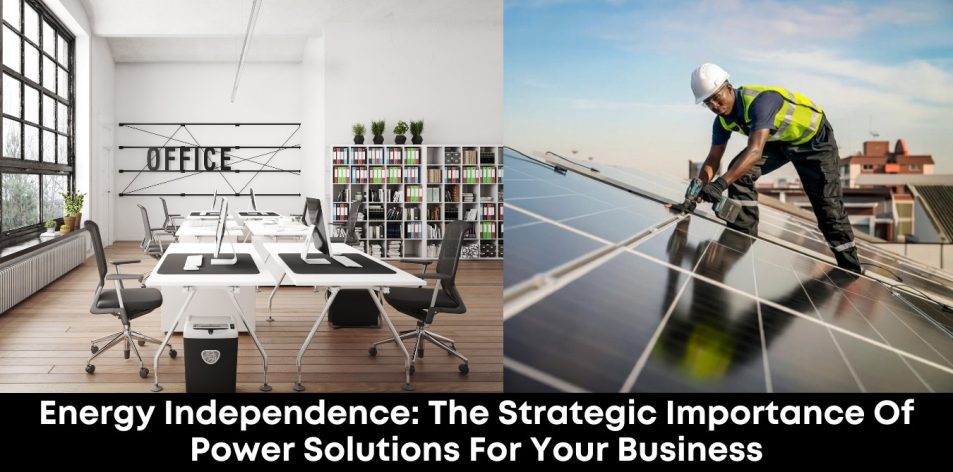
Maximising Barakah Through Smart Stewardship and Hybrid Solar Technology
In the modern Kenyan business landscape of 2026, reliability is a cornerstone of professional excellence (Ihsan). For any entrepreneur, an interruption in power is not just an inconvenience—it is a disruption of “Amanah” (trust) with your clients and a risk to your “Rizq” (sustenance). As grid tariffs evolve and the demand for consistent energy grows, the importance of a robust power backup solution has transitioned from a luxury to a strategic necessity. Whether you are running a retail shop in Nairobi, a consultancy firm, or a small manufacturing unit, integrating a hybrid inverter system allows you to manage your resources with wisdom and foresight. This guide explores the benefits of power backup, the efficiency of hybrid systems, and the emerging opportunity to sell excess energy back to the national grid.
I. The Business Case for Power Backup Solutions
A reliable power solution acts as an insurance policy for your productivity and reputation.
- Protecting Digital Assets: For businesses relying on servers, CCTV, and high-speed internet, even a five-minute outage can lead to data loss or security vulnerabilities. A seamless backup ensures your “digital office” never sleeps.
- Maintaining Customer Trust: In the service industry, being able to process payments and serve clients during a blackout sets you apart from competitors. It demonstrates a level of preparedness and respect for your customers’ time.
- Preventing Equipment Damage: Frequent power surges and abrupt shut-offs can shorten the lifespan of expensive machinery and electronics. A high-quality inverter provides “clean” power, protecting your capital investments.
II. The Hybrid Inverter: A Revolution in Cost Cutting
The hybrid inverter is the “intelligent heart” of a modern energy system, blending the best of solar, battery, and grid power.
- Prioritising Free Energy: A hybrid system is designed to use solar power first. During the day, your business runs on sunlight, significantly reducing your monthly KPLC bill. In many Kenyan businesses, this can cut electricity costs by 60 per cent to 90 per cent.
- Smart Battery Management: Unlike older systems, a hybrid inverter intelligently decides when to charge your batteries. It can use excess solar during the day or tap into the grid during off-peak hours when tariffs might be lower.
- Seamless Transitions: These units switch from grid to battery power in less than 20 milliseconds—so fast that even sensitive medical or IT equipment will not reboot.
III. Selling Back to the Grid: The Net Metering Opportunity
In 2026, the Energy and Petroleum Regulatory Authority (EPRA) and KPLC have formalised “Net Metering” regulations, turning your business from a consumer into a “prosumer.”
- How It Works: If your solar panels produce more electricity than your business needs during a sunny weekend, the excess is fed back into the KPLC grid through a bi-directional smart meter.
- Earning Energy Credits: For every unit (kWh) you export, you receive a credit on your bill. At the end of the month, KPLC subtracts your “exported” units from your “consumed” units, meaning you only pay for the net difference.
- Capacity Limits: For domestic systems, the cap is typically 10kW, while Commercial and Industrial (C&I) systems can export up to 1MW. This makes solar a high-return investment for larger warehouses and office blocks.
IV. Key Considerations for Your Business Blueprint
Before investing in a power backup solution, it is vital to apply “Shura” (consultation) with professionals to ensure your system is sized correctly.
- Load Assessment: Conduct a professional audit of your “Essential” vs. “Non-Essential” loads. Lights, computers, and security should be on the backup, while heavy AC units or heaters might be kept on the grid to save battery life.
- Battery Technology: In 2026, Lithium Iron Phosphate (LiFePO4) batteries are the preferred choice for businesses. They offer a much longer lifespan (up to 10 years) and are safer and more environmentally friendly than traditional lead-acid batteries.
- Compliance and Safety: Ensure your system is installed by an EPRA-licensed contractor. This is a legal requirement for connecting to the grid and ensures your business remains a safe environment for your staff and visitors.
V. Stewardship and Sustainable Success
Investing in renewable energy is an act of “Tawakkul” combined with practical wisdom. By reducing your reliance on fossil fuels and managing your expenses through solar technology, you are practicing moderation and preserving the environment for future generations. A business that is resilient to power failures is a business that can focus on growth, service, and the pursuit of excellence. May your enterprise be blessed with “Barakah” and your path to energy independence be filled with ease and success.