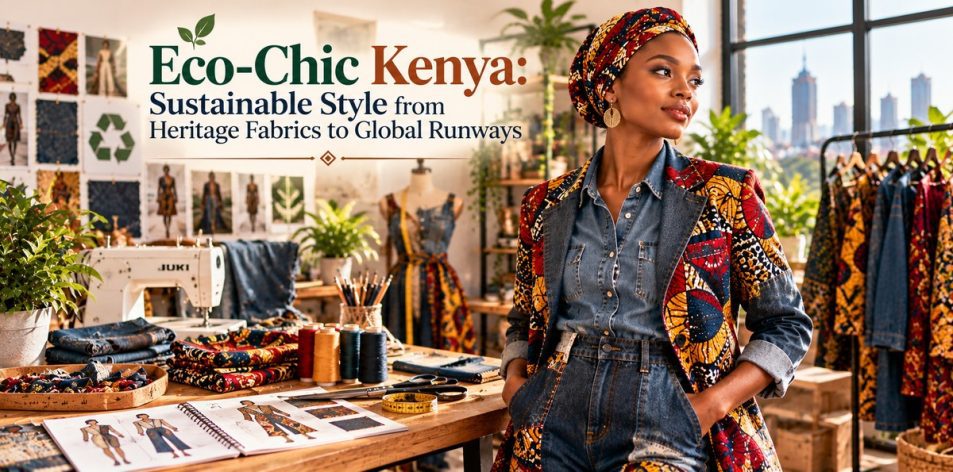
Reviving Tradition with a Modern Conscience
Kenyan fashion has always been a dialogue between colour, pattern and story. In recent years that conversation has taken a new turn: designers are reaching back to the archives of kitenge, kikoy and other locally woven textiles, then re‑imagining them through waste‑free techniques. The result is a collection of garments that feel both familiar and forward‑looking – a quiet rebellion against fast‑fashion’s disposable ethos.
Heritage Fabrics as the New Luxury Canvas
Kitenge, with its bold, repeatable motifs, and kikoy, known for its crisp, striped weave, have long been staples of everyday wear. Today, a handful of Nairobi‑based ateliers are treating these fabrics as premium material, sourcing them directly from cooperative looms that still use hand‑spun cotton or natural dyes. By selecting only the highest‑grade yarns and preserving the integrity of traditional patterns, they create pieces that command attention on the runway as well as in the boutique.
The process often begins with a careful audit of leftover bolts from larger orders. Rather than discarding off‑cuts, designers cut them into smaller panels that become the basis for avant‑garde silhouettes – think asymmetrical jackets, layered skirts and sculptural dresses. The emphasis is on minimal waste, a principle that resonates with the growing number of shoppers who ask, “Where does this come from?” before they buy.
Up‑Cycling: Turning Waste into Wardrobe
Beyond re‑using fabric remnants, some creators are experimenting with entirely new sources of material. Denim that would otherwise end up in landfill is de‑constructed, its fibres blended with organic cotton to produce a hybrid yarn that retains denim’s durability while gaining a softer drape. Similarly, discarded polyester from old sportswear is melted down and re‑spun into a low‑impact fibre that can be woven alongside traditional cotton, giving the final garment a subtle sheen without compromising sustainability.
These techniques are not about gimmickry; they are rooted in a philosophy that every thread should have a purpose. By keeping the production cycle closed, designers reduce the carbon footprint of each collection and offer consumers a tangible story of regeneration.
Conscious Consumers Driving the Shift
Kenya’s urban middle class is increasingly attuned to the environmental cost of clothing. While exact figures are scarce, anecdotal evidence from pop‑up markets and boutique sales suggests that shoppers are willing to pay a modest premium for garments that are both stylish and responsibly made. Social media platforms have amplified this trend, with hashtags celebrating locally sourced, eco‑friendly outfits gaining traction among fashion‑savvy millennials and Gen Z.
The appeal is not solely ecological. Many buyers appreciate the cultural resonance of a well‑crafted kitenge dress or a kikoy‑trimmed blazer, seeing it as a way to wear their heritage with pride. The combination of ethical production and cultural authenticity creates a compelling value proposition that is hard for fast‑fashion brands to match.
Styling Tips for the Eco‑Chic Wardrobe
Integrating sustainable pieces into everyday attire does not require a complete wardrobe overhaul. A few thoughtful choices can elevate any look while staying true to the eco‑friendly ethos.
Mix Textures, Keep Balance
Pair a structured kikoy‑lined blazer with a soft, organic‑cotton tee. The contrast between crisp stripes and relaxed knit adds visual interest without overwhelming the eye.
Layer with Purpose
A midi kitenge skirt works beautifully over a monochrome jumpsuit. The splash of pattern becomes a focal point, while the base remains understated.
Accessorise Sustainably
Hand‑crafted jewellery made from reclaimed brass or recycled glass complements the narrative of up‑cycling. A simple pair of earrings can echo the geometric motifs often found in modern Kenyan prints.
Mind the Fit
Tailoring remains essential. A well‑fitted garment, even if made from a modest fabric, exudes confidence. Many designers offer on‑site alterations, ensuring each piece drapes perfectly on the wearer.
Kenya’s Emerging Presence on the Global Stage
International fashion weeks have begun to feature Kenyan designers whose collections are anchored in sustainability. While the spotlight is still growing, the narrative is clear: a blend of heritage fabrics and contemporary up‑cycling is a unique selling point that differentiates Kenyan fashion from other emerging markets.
Export opportunities are emerging through online platforms that cater to a global audience seeking ethically produced clothing. By maintaining rigorous standards of quality and traceability, Kenyan labels are building trust with overseas buyers, positioning the country as a hub for eco‑luxury fashion.
Halal‑Friendly Values in Sustainable Design
For many Kenyan consumers, fashion choices intersect with religious considerations. Designers mindful of halal‑friendly values ensure that fabrics are free from animal‑derived dyes that might contain prohibited ingredients, and that production processes respect modesty standards. This attention to detail broadens the appeal of sustainable collections, allowing a wider segment of the market to embrace eco‑chic without compromise.
Moreover, the emphasis on modest silhouettes – such as longline coats, high‑waisted trousers and maxi dresses – aligns naturally with many customers’ preferences, proving that sustainability and cultural sensitivity can coexist seamlessly.
Looking Ahead: A Sustainable Fashion Future
The momentum behind Kenya’s eco‑chic movement shows no signs of slowing. As more designers experiment with zero‑waste pattern making, biodegradable finishes and circular business models, the industry is poised to set new standards for responsible luxury.
For the consumer, the message is simple: choose pieces that tell a story, support local artisans, and minimise environmental impact. In doing so, you not only enrich your wardrobe but also contribute to a broader shift towards fashion that respects both the planet and cultural heritage.
The next time you reach for a garment, consider the journey of its fibres – from a cooperative loom in the highlands to a thoughtfully designed silhouette on your back. That is the essence of eco‑chic Kenya: style with substance, rooted in tradition, and looking confidently toward the future.