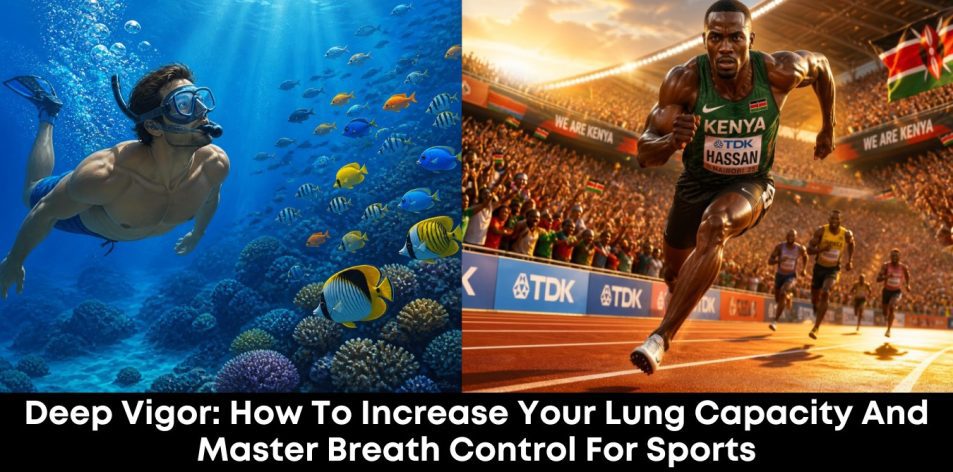
Enhancing Oxygen Efficiency, Diaphragmatic Strength, and Breath-Hold Endurance in Swimming and Sprinting
In the demanding world of athletic performance in 2026, physical strength and agility are only half the equation; the true engine of human performance lies within the respiratory system. Whether you are gliding through water during intense swimming laps, bursting out of the blocks for an explosive sprint, or engaging in martial arts training, your lung capacity and breath control dictate your stamina, recovery speed, and physical output. In our tradition, our physical health, bodily strength, and vitality are viewed as a sacred Amanah (trust) from the Creator. Caring for our respiratory system with intention, discipline, and foresight is a tangible expression of gratitude and personal excellence (Ihsan). Increasing your functional lung capacity and conditioning your body to hold its breath comfortably under athletic strain is not an unchangeable genetic trait; it is a trainable skill. By incorporating targeted diaphragmatic breathing techniques, respiratory muscle conditioning, and structured apnea training, you can optimize oxygen delivery, elevate your athletic performance, and cultivate a steady sense of physical composure (Sakinah). This guide provides evidence-based strategies to expand your lung volume and improve your breath-hold endurance safely and effectively.
I. Understanding Respiratory Physiology in Athletic Performance
Before introducing training exercises, it is essential to understand how the lungs, diaphragm, and blood gas levels interact during high-intensity sports.
- Total Lung Capacity vs. Vital Capacity: Total lung capacity is the maximum volume of air your lungs can hold, while vital capacity is the amount of air you can forcibly exhale after a maximal inhalation. Dedicated training expands your vital capacity and mobilizes unused lower alveolar sacs in the lungs.
- The Role of Carbon Dioxide Tolerance: The urge to breathe during intense exercise or a breath-hold is not triggered by a lack of oxygen, but by the buildup of carbon dioxide (CO2) in the bloodstream. Training your chemoreceptors to tolerate higher CO2 levels allows you to stay calm and perform longer without feeling panicked.
- Oxygen Transportation Efficiency: Consistent respiratory training boosts blood plasma volume and improves red blood cell efficiency, ensuring that every deep breath delivers maximum oxygen directly to working muscle tissue during rapid sprinting or underwater swimming.
II. Targeted Breathing Exercises to Expand Functional Lung Volume
Conditioning the primary and accessory muscles of respiration—including the diaphragm and intercostal chest muscles—increases physical chest expansion.
- Diaphragmatic Deep Breathing (Belly Breathing): Most individuals rely on shallow chest breathing, utilizing only the upper portion of the lungs. Practice sitting upright, placing one hand on your chest and the other on your abdomen. Inhale slowly through your nose for four seconds, ensuring your belly expands outwards while your chest remains steady, then exhale slowly for six seconds. Perform this for ten minutes daily to strengthen the diaphragm.
- The 4-7-8 Respiratory Pacing Technique: Inhale quietly through your nose for a count of four, hold your breath firmly for a count of seven, and exhale completely through pursed lips with a gentle whooshing sound for a count of eight. This exercise expands lung elasticity, lowers resting blood pressure, and calms the central nervous system.
- Rib Cage Expansion and Intercostal Stretching: Stand tall, take a deep, maximal breath, and raise both arms overhead. Hold the breath while gently leaning your torso to the left for five seconds, then to the right for five seconds, before exhaling fully. This stretches the intercostal muscles between the ribs, allowing the chest cavity to expand wider during maximal exertion.
III. Conditioning for Breath-Hold Endurance (Apnea Training for Swimming and Sprinting)
Developing the ability to hold your breath under athletic strain requires structured, safe progression to build mental composure and physiological tolerance.
- Static Apnea Tables (CO2 Tolerance Tables): Practice static breath-holds while resting in a safe, dry environment (never alone in water). Take a deep diaphragmatic breath, hold for a baseline duration (e.g., 45 seconds), rest for two minutes, and repeat. Gradually shorten the rest intervals while keeping the hold duration constant. This trains the brain to remain calm (Sakinah) as carbon dioxide builds up.
- Hypoxic Swimming Drills: In the pool, incorporate controlled breathing patterns into your freestyle stroke. Practice breathing every three strokes for one lap, every five strokes for the next, and every seven strokes for the third. This conditions your body to maintain fluid stroke mechanics and core stability with limited oxygen intake.
- Explosive Sprint Apnea Finish Drills: During 50-meter or 100-meter track or pool sprints, practice maintaining a complete breath-hold or minimal breathing during the final 15 meters. This builds mental resilience and explosive power when sprinting toward the finish line under high lactic acid accumulation.
IV. Aerobic Conditioning and Respiratory Muscle Resistance Tools
Combining specific breathing drills with general cardiovascular conditioning yields the greatest physiological improvements.
- High-Intensity Interval Training (HIIT): Engaging in intense sprinting intervals forces the cardiovascular and respiratory systems to adapt rapidly to sudden oxygen deficits, improving maximum oxygen uptake (VO2 max) and lung recoil efficiency.
- Using Respiratory Muscle Trainers (Inspiratory Devices): Handheld inspiratory muscle training devices apply adjustable resistance as you inhale, acting like a weight machine for your diaphragm. Using a resistance trainer for five minutes daily significantly fortifies breathing muscle endurance.
- Maintaining Hydration and Clean Air Environments: Keep your respiratory airways clear by drinking plenty of pure water to thin out protective lung mucus. Avoid training in heavily polluted urban areas during peak traffic hours to protect your delicate lung tissue from particulate damage.
V. Cultivating Athletic Excellence with Patience and Discipline
Expanding your lung capacity and mastering breath control is a rewarding journey that requires steady patience (Sabr), consistent practice, and absolute safety. Always perform static breath-hold training on dry land and never push yourself to extreme exhaustion or dizziness while underwater without professional supervision. By training your breathing mechanics with intention, you fortify your physical vessel, enhance your performance in swimming and sprinting, and build a calm, resilient mindset that serves you across all areas of life. Treat your physical health as a valuable Amanah, pursue athletic mastery with personal excellence (Ihsan), and enjoy the freedom of peak physical vitality. May your athletic pursuits bring strength to your body, endurance to your lungs, and absolute peace of mind.