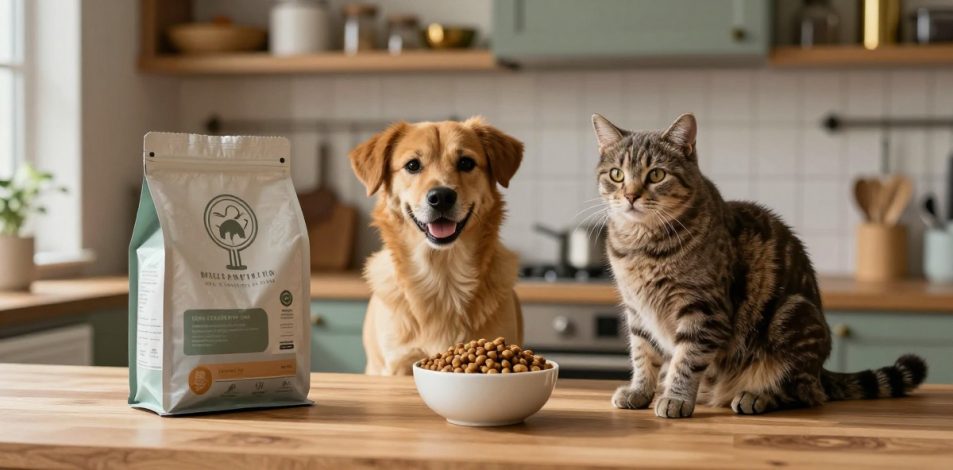
Understanding Halal Pet Food
For many Kenyan households, the decision to feed pets halal‑certified food is an extension of everyday dietary values. Halal pet food follows the same basic principles that apply to human meals: the ingredients must be permissible, free from pork or its derivatives, and any processing aids must not involve alcohol or prohibited substances. The result is a product that aligns with religious convictions while still meeting the nutritional needs of dogs and cats.
What Makes a Pet Food Halal?
A halal label on pet food indicates that an authorised certification body has inspected the supply chain, from the source of the meat to the final packaging. The key points to look for are:
- Clear halal certification logo from a recognised body.
- Statement that the meat is sourced from animals slaughtered according to Islamic rites.
- Absence of pork, pork by‑products, and any alcohol‑based flavourings.
- Ingredient list that specifies the origin of each animal protein.
While the certification process mirrors that used for human food, pet manufacturers often have to provide additional documentation to prove that cross‑contamination with non‑halal ingredients has been avoided.
Reading Labels: A Step‑by‑Step Approach
The first time you pick up a bag of kibble, the label can feel overwhelming. Here’s a simple routine that helps you verify halal compliance and nutritional adequacy:
- Check the certification. Look for a visible halal symbol and note the certifying authority. If the logo is missing, ask the retailer for proof of certification.
- Identify the protein source. The first ingredient should be a halal‑approved meat such as chicken, beef, or lamb. Avoid any product that lists “meat meal” without specifying the animal.
- Scan for prohibited additives. Ingredients like “lard,” “gelatin (from pork),” or “ethanol” are red flags.
- Assess the nutrient profile. For dogs, a balanced diet typically contains 18‑30 % protein, 8‑15 % fat, and essential vitamins and minerals. Cats, being obligate carnivores, need a higher protein level (30‑45 %) and taurine.
- Look for “complete and balanced.” This claim, regulated by local authorities, means the food meets the nutritional standards for the life stage indicated (puppy/kitten, adult, senior).
If any of these checks raise doubts, it’s safer to set the bag aside and seek an alternative.
Finding Local Suppliers
Kenya’s pet‑food market is expanding, and several retailers now stock halal‑certified options. Here are a few avenues to explore:
- Specialty pet stores in Nairobi and Mombasa. These outlets often carry imported and locally produced brands that have undergone halal certification.
- Online marketplaces. Websites that specialise in pet supplies usually display certification details on the product page. Look for sellers that ship from within Kenya to avoid long delivery times.
- Local manufacturers. Some Kenyan pet‑food producers have introduced halal lines to meet demand. Visiting the factory or requesting a sample can give you confidence in the product’s integrity.
- Community recommendations. Fellow pet owners in mosques or community groups can be a valuable source of trusted brand names.
When you locate a potential supplier, ask to see the halal certificate and confirm that it is current. A reputable vendor will be happy to provide this information.
Balancing Nutrition with Halal Requirements
Halal compliance does not compromise nutritional quality, but it does narrow the pool of permissible ingredients. To ensure your dog or cat receives a well‑rounded diet, keep the following points in mind:
Protein
Choose foods where the primary protein comes from halal‑approved meat. For dogs, a mix of chicken and beef can provide a broad amino‑acid profile. Cats benefit from a higher proportion of animal protein, so look for foods that list “chicken meat” or “lamb meat” as the first ingredient.
Fats
Animal‑derived fats are acceptable when sourced from halal‑slaughtered animals. Some brands use fish oil, which is naturally halal, to supply omega‑3 fatty acids that support skin and coat health.
Carbohydrates and Fibre
Grains such as rice, barley, or oats are common in halal pet foods and provide energy. For pets with sensitivities, look for grain‑free options that replace cereals with sweet potato or pea protein—just verify that any added protein is halal.
Vitamins and Minerals
Synthetic vitamins are generally permissible, but some manufacturers use animal‑derived sources. If you prefer to avoid this, select a brand that declares “synthetic vitamin blend” on the label.
Preparing and Serving Halal Pet Food
Once you have chosen a suitable product, the way you store and serve it can affect both safety and palatability.
- Storage. Keep kibble in a sealed container away from moisture and direct sunlight. This preserves freshness and prevents mould, which could render the food unsuitable for a pet with a sensitive stomach.
- Portion control. Follow the feeding guide on the package, adjusting for your pet’s age, weight, and activity level. Over‑feeding can lead to obesity, while under‑feeding may cause nutrient deficiencies.
- Mixing wet and dry. Some owners like to add a small amount of halal‑certified wet food or broth to dry kibble for extra flavour. Ensure any added liquids are also free from pork or alcohol.
- Transition period. When switching brands, blend the new food with the old over a week, gradually increasing the proportion of the new diet. This helps avoid digestive upset.
Regularly check your pet’s coat, energy levels, and stool consistency. These are practical indicators that the diet is meeting their needs.
Practical Tips for the Everyday Owner
Maintaining a halal pet‑food routine becomes easier with a few habits:
- Keep a small notebook of the brands you have tried, noting any reactions or preferences.
- Set a reminder to rotate stock before it reaches its “best before” date.
- When travelling within Kenya, carry a sealed bag of your pet’s regular food to avoid reliance on unfamiliar products.
- Engage with local pet‑owner groups online; they often share updates on new halal releases and supplier discounts.
Feeding with Confidence
Choosing halal‑certified pet food in Kenya is a matter of aligning faith with responsible pet care. By scrutinising labels, sourcing from trustworthy suppliers, and ensuring the diet meets the specific nutritional demands of dogs and cats, owners can feed their companions without compromise. The extra attention to detail not only honours religious principles but also encourages a habit of mindful consumption—benefiting both pet and owner.
With the guidance above, you can navigate the market, select the right product, and enjoy the peace of mind that comes from feeding your furry friends in a way that respects both health and belief.