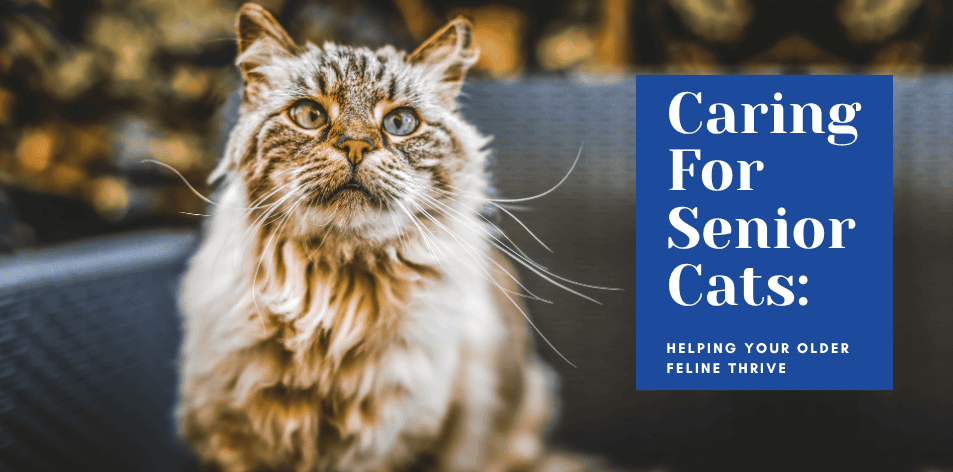
Understanding The Benefits Of Senior Cat Care & How To Keep Older Cats Healthy, Comfortable, & Happy
Cats may not show their age as dramatically as humans, but growing older brings changes that deserve our attention. A senior cat may sleep more, move more slowly or become less interested in activities it once enjoyed. With thoughtful care, however, older cats can continue to live comfortable, happy and fulfilling lives.
Senior cat care is not about treating ageing as an illness. It is about understanding changing needs, recognising potential problems early and making simple adjustments that support quality of life.
Understanding Senior Cats
Many cats are considered senior from around seven years of age, although individual cats age differently depending on their genetics, lifestyle and overall health.
As cats grow older, they may experience changes in mobility, metabolism, digestion, senses and behaviour. They may also become more vulnerable to conditions affecting their kidneys, teeth, joints or thyroid.
This is why knowing your cat’s normal habits is so important. Small changes can sometimes provide the earliest indication that something needs attention.
Nutrition & Hydration
A senior cat’s nutritional needs may change with age, making a complete and balanced, age-appropriate diet important.
Keep an eye on your cat’s weight and body condition, as both unexplained weight loss and excessive weight gain can be concerning. Feed appropriate portions and avoid unnecessary treats that could contribute to obesity.
Fresh, clean water should always be readily available. Some cats may drink more readily from water fountains or wide, shallow bowls.
If your veterinarian recommends a change in diet or supplements, introduce them according to professional guidance rather than assuming every ageing cat needs additional supplements.
Keeping Senior Cats Active & Comfortable
Ageing cats still benefit from physical activity and mental stimulation, even if their play sessions become shorter.
Gentle activities can help maintain mobility, muscle strength and mental wellbeing. Try interactive toys, short play sessions and puzzle feeders that encourage your cat to think and move without excessive exertion.
The home environment can also be adapted to make everyday life easier.
Consider providing:
✔️ Soft, comfortable bedding in a quiet area
✔️ Food and water bowls that are easy to reach
✔️ Low-sided litter trays for cats with reduced mobility
✔️ Stable, low climbing platforms rather than high surfaces
✔️ Scratching posts that are easily accessible
✔️ Quiet spaces where your cat can rest undisturbed
These small adjustments can help an older cat remain independent while reducing unnecessary physical strain.
Health, Grooming & Dental Care
Regular veterinary check-ups become increasingly important as cats age. Older cats can sometimes develop health problems without displaying obvious symptoms, so routine examinations can help identify concerns earlier.
Pay attention to:
* Changes in weight or appetite
* Drinking or urinating more than usual
* Difficulty jumping or walking
* Changes in vision or hearing
* Persistent vomiting or digestive problems
* Changes in grooming habits
Dental health should not be overlooked either. Bad breath, drooling, difficulty chewing or suddenly preferring soft food may indicate an oral health problem.
Senior cats may also groom themselves less effectively. Gentle, regular brushing can help remove loose fur, prevent mats and give owners an opportunity to check the skin and coat for anything unusual.
Recognising Changes in Behaviour
One of the most valuable things an owner can do is learn to recognise changes in their cat’s normal behaviour.
A senior cat that suddenly begins hiding more, becomes unusually vocal, stops using the litter tray properly, loses interest in food or appears confused may need veterinary attention.
Other signs worth watching include:
⚠️ Reduced appetite or unexplained weight loss
⚠️ Increased hiding or withdrawal
⚠️ Difficulty getting into the litter tray
⚠️ Reduced grooming
⚠️ Increased irritability or aggression
⚠️ Difficulty climbing or jumping
⚠️ Restlessness or unusual night-time vocalisation
⚠️ Changes in drinking or urination
These behaviours should not automatically be dismissed as “just old age”. Some may indicate an underlying medical condition that requires treatment or management.
The Golden Years: Love, Patience & Routine
Senior cats may not interact with us in exactly the same way they did when they were younger. They may prefer a quiet nap beside you rather than an energetic game, or seek affection on their own terms.
Respecting these changing preferences is part of caring for an ageing cat.
A predictable routine can also provide comfort. Keeping feeding, play, grooming and rest times relatively consistent can help older cats feel secure.
Most importantly, continue giving them companionship. Gentle interaction, quiet attention and simply spending time together can contribute significantly to their emotional wellbeing.
Caring for a senior cat is ultimately about quality of life. Providing appropriate nutrition, gentle activity, a comfortable home, regular veterinary care and plenty of patience can help your feline companion enjoy its later years with dignity and happiness.
Ageing may bring changes, but it does not mean the end of play, affection, curiosity or those familiar moments of companionship that make living with a cat so special.