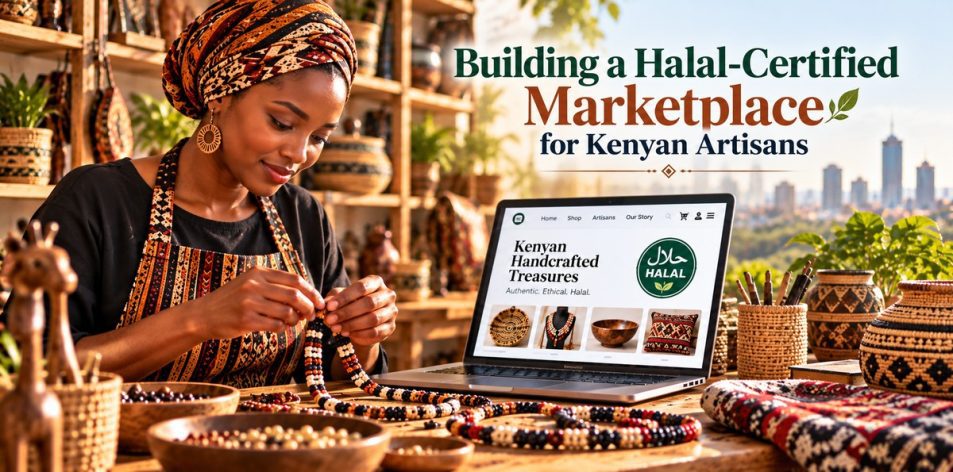
Why A Halal‑Certified Platform Matters
Kenyan craftspersons are increasingly looking beyond local markets, yet many potential buyers—particularly in the Gulf, Southeast Asia and parts of Europe—search for assurance that the products they purchase respect halal principles. A platform that foregrounds halal certification does more than comply with religious expectations; it signals a commitment to ethical sourcing, transparent supply chains and cultural sensitivity. For entrepreneurs, that signal can be a differentiator in a crowded e‑commerce space, opening doors to customers who might otherwise overlook African handmade goods.
Mapping Demand: A Practical Approach to Market Research
Start by identifying the product categories that align naturally with halal values—textiles, home décor, jewellery and food‑related items such as spice blends or confectionery. Use free tools like Google Trends to gauge interest in specific keywords across target regions. Social listening on platforms such as Instagram and TikTok can reveal which designs or motifs are resonating with audiences abroad. Complement online data with informal conversations: reach out to diaspora groups, attend virtual trade fairs and ask potential customers what they look for in a halal‑friendly artisan product. The goal is to build a simple spreadsheet that matches product types with the strongest overseas interest, allowing you to prioritise inventory and marketing focus.
Halal‑Friendly Logistics: Keeping the Supply Chain Clean
Logistics is often the hidden cost of an e‑commerce venture. For a halal‑certified marketplace, the challenge is to ensure that handling, storage and transport do not compromise the integrity of the goods. Partner with courier services that already operate dedicated halal‑compliant facilities or can guarantee segregation of halal and non‑halal consignments. In Kenya, several local freight firms offer temperature‑controlled warehousing that can be earmarked for halal products; negotiate a clear protocol for labelling and documentation. When shipping internationally, select carriers that provide customs clearance support for halal certificates, reducing the risk of delays at borders.
Key logistics checkpoints
- Confirm that warehouses use separate storage areas for halal items.
- Require couriers to sign a handling agreement that respects halal standards.
- Maintain a digital log of each shipment’s certification paperwork.
Building Trust Through Certification
A credible halal certificate is the cornerstone of consumer confidence. Identify a recognised certification body that operates in Kenya or the wider East African region. The process typically involves an audit of production practices, ingredient sourcing and packaging. While the initial cost may seem high, it can be amortised across the product range and used as a marketing asset. Display the certification badge prominently on product pages, checkout screens and promotional material. In addition, create a short “how we certify” video that walks shoppers through the audit process; transparency reduces scepticism and encourages repeat purchases.
Low‑Cost Digital Marketing Strategies
When budgets are tight, creativity beats spend. Leverage the visual nature of artisan goods by curating Instagram reels that showcase the making of a piece—from raw material to finished product. Tag relevant halal‑focused hashtags and collaborate with micro‑influencers who share a similar audience. Facebook groups centred on halal lifestyle or African crafts can be fertile ground for organic promotion; participate in discussions and share behind‑the‑scenes stories rather than hard‑selling. Email marketing remains effective: collect addresses through a simple sign‑up form offering a modest discount on the first purchase, then send a monthly newsletter that highlights new artisans, cultural anecdotes and the impact of each sale on local communities.
Payment Solutions Tailored to East African Consumers
A seamless checkout experience is essential, especially when serving customers across borders. In Kenya and neighbouring countries, mobile money platforms such as M‑Pay and Airtel Money dominate domestic transactions, while international buyers often prefer card payments or PayPal. Integrate a payment gateway that aggregates these options, allowing shoppers to choose the method most familiar to them. Ensure the gateway complies with Sharia‑compliant finance principles, offering non‑interest‑bearing processing where possible. For larger orders, consider a “pay‑on‑delivery” option in Kenya, which can be facilitated through trusted local agents and builds confidence among first‑time buyers.
Scaling the Platform Without Losing the Artisan Touch
Growth should not dilute the personal story behind each product. As the catalogue expands, implement a tiered onboarding system for artisans: start with a pilot group, refine the workflow, then open applications to a broader community. Use a simple content‑management system that lets makers upload product photos, descriptions and halal documentation directly, reducing administrative overhead. Periodically audit the supply chain to ensure ongoing compliance, and keep the certification badge up‑to‑date. Finally, reinvest a portion of profits into community workshops that teach digital skills to artisans, creating a virtuous cycle of empowerment and product quality.
Putting It All Together
Launching a halal‑certified e‑commerce platform for Kenyan artisans is a blend of careful research, ethical logistics, clear certification and savvy, low‑budget marketing. By aligning each step with the expectations of halal‑conscious consumers, you create a marketplace that feels trustworthy and culturally respectful. The result is not just a commercial venture, but a bridge that brings the richness of Kenyan craftsmanship to a global audience eager for products that honour both quality and faith.