
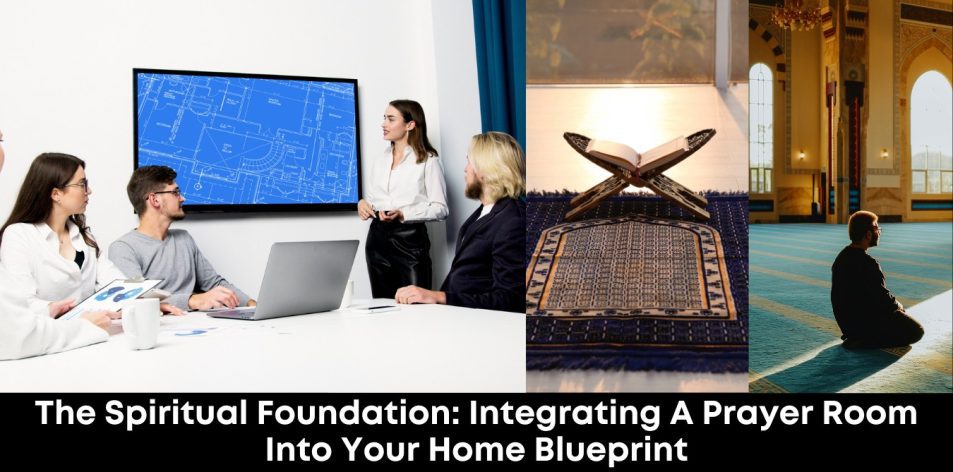
The Spiritual Foundation: Integrating a Prayer Room into Your Home Blueprint
Designing a Sacred Space for Worship, Tranquillity, and Divine Blessing
When embarking on the journey of designing a new home, we often prioritise the kitchen, the bedrooms, or the entertainment areas. However, for a family that seeks to live with purpose, the most significant room in the blueprint is the one dedicated to the remembrance of the Almighty. Incorporating a designated prayer room, or a “home masjid,” into your architectural plans is a profound statement of intent. It ensures that the heart of your home is anchored in worship (Ibadah) and provides a sanctuary where the world’s noise is silenced. By placing God at the forefront of your design decisions, you invite barakah (blessing) into every brick and mortar of your property. This guide explores the essential architectural and practical considerations for creating a harmonious prayer space within your new home.
I. Orienting the Blueprint: Finding the Qibla
The very first step in your design process should be the geographical orientation of the prayer room to ensure ease and accuracy in worship.
- Architectural Alignment: Work with your architect to align the main wall of the prayer room precisely with the Qibla. Designing the room with this orientation in mind prevents the awkwardness of placing prayer mats diagonally across a rectangular room later on.
- Natural Light and Peace: If possible, place the prayer room on the eastern or western side of the house to take advantage of the soft morning or evening light. Large, high-set windows can provide natural illumination without compromising the privacy of those inside.
II. Proximity and Practicality: The Wudu Station
A prayer room’s functionality is greatly enhanced by its proximity to water, allowing for a seamless transition from purification to prayer.
- Dedicated Ablution Area: Consider adding a small, purpose-built Wudu station adjacent to the prayer room. This should include a low-set tap and a tiled bench to allow the elderly and children to perform ablution with ease and safety.
- Flooring and Drainage: Ensure the Wudu area has non-slip tiles and excellent drainage to keep the surrounding hallways dry and clean. This separation of “wet” and “dry” zones is essential for maintaining the sanctity of the prayer carpets.
III. Acoustic Privacy and Seclusion
For a prayer room to be effective, it must offer a refuge from the daily distractions of a busy household.
- Zoning within the Home: Place the prayer room away from high-traffic zones like the kitchen or the television lounge. Ideally, it should be located in a quiet corner of the ground floor or a secluded area of the upper floor.
- Soundproofing: Use solid-core doors and acoustic wall treatments to minimise noise from the rest of the house. This ensures that the call to prayer or the recitation of the Quran remains undisturbed and focused.
IV. Interior Elements for Focus and Reverence
The aesthetic of your home masjid should be minimalist, avoiding distractions while reflecting the beauty of the faith.
- Storage for Sacred Texts: Build recessed shelving or elegant cabinetry into the walls to house copies of the Quran, prayer beads (Tasbih), and religious literature. Keeping these items off the floor is a sign of deep respect.
- Comfortable Underlay: Invest in high-quality, plush carpeting with a thick underlay. Since the physical acts of bowing (Ruku) and prostrating (Sujud) are central to prayer, a soft surface is a mercy for the knees and joints of all family members.
- Minimalist Decor: Opt for soft, neutral tones like sand, dove grey, or sage green. Subtle Islamic geometric patterns or a single piece of elegant calligraphy on the Qibla wall can serve as a focal point without being overwhelming.
V. A Legacy of Faith and Miracles
Designing your home with a masjid at its centre is an act of “Tawakkul” (trust in God). When you dedicate a portion of your wealth and space to the Almighty, you open the doors for miracles to enter your life. This room will become the place where your children learn their first verses, where family councils are held in the spirit of “Shura” (consultation), and where you find solace during life’s challenges. As you review your blueprints, remember that the most beautiful part of your home will not be its exterior facade, but the sincerity of the prayers offered within its walls. May your new home be a source of light, peace, and eternal reward for your family.