
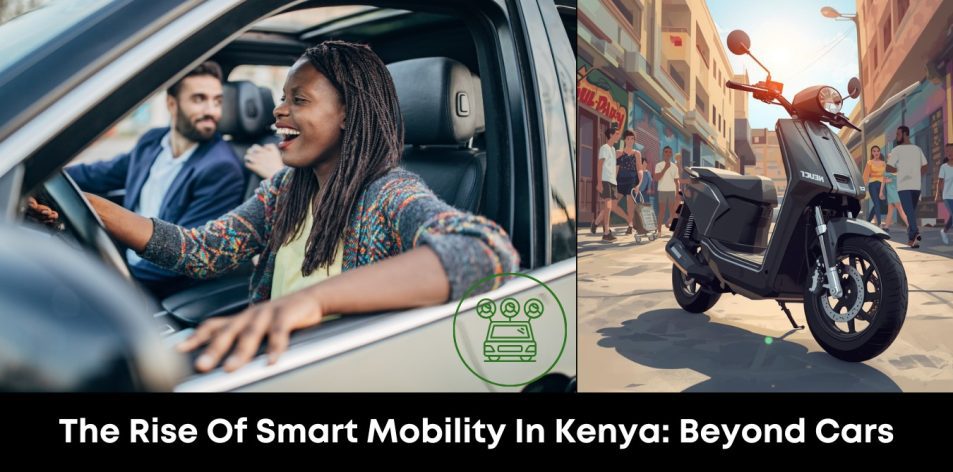
Navigating the Future of Urban Travel with Efficiency and Integrity
In 2026, Kenya’s transport landscape is witnessing a historic transformation. For decades, personal car ownership was seen as the primary symbol of progress, but as our cities grow and environmental concerns take centre stage, a new era of “Smart Mobility” has arrived. This shift is not just about moving from one point to another; it is about moving with purpose, reducing our footprint on the earth, and utilising technology to create a more harmonious urban environment. From the silent hum of electric motorbikes to the flexibility of digital subscriptions, the way we traverse Nairobi, Mombasa, and beyond is becoming more efficient, affordable, and sustainable. This article explores the innovative trends that are redefining Kenyan mobility and how they align with a modern, responsible lifestyle.
I. Electric Motorbikes & Scooters: A Silent Revolution
The “Boda Boda” has long been the lifeblood of last-mile connectivity in Kenya. In 2026, this sector has reached a critical turning point with the spectacular growth of electric two-wheelers.
- Spectacular Growth: Electric motorcycles now account for over 15 per cent of new sales in Kenya. Local manufacturers like Spiro have led the charge, offering battery-swapping ecosystems that make switching from petrol to electric both seamless and profitable for riders.
- Economic and Environmental Gains: Switching to electric can reduce daily energy costs by up to 75 per cent. Beyond the savings, these bikes eliminate tailpipe emissions and noise pollution, contributing to cleaner air and quieter streets—a true reflection of stewardship over our environment.
- Incentives and Infrastructure: The National Electric Mobility Policy, launched in early 2026, has zero-rated VAT on electric bikes and batteries, making these eco-friendly alternatives more accessible to the average Kenyan than ever before.
II. Car Subscription Services: The New Model of Ownership
The traditional burden of vehicle maintenance, insurance, and rapid depreciation is leading many in Nairobi and Mombasa to embrace flexible “subscription” models.
- Flexibility and Ease: Car subscription services allow you to have a vehicle for a month, six months, or a year without the long-term debt of a traditional purchase. This model often includes insurance and maintenance in a single monthly fee, providing total peace of mind.
- Corporate and Personal Utility: Major providers like Avenue Car Hire and Bamm Tours now offer specialized leasing and subscription packages. Whether you need an executive saloon for business or a spacious SUV for a family trip, you can scale your transport needs according to your current requirements.
- Reduced Financial Risk: By opting for a subscription, you avoid the high-interest loans associated with conventional financing, allowing you to manage your resources more ethically and efficiently.
III. Ride-Sharing & Micro-Mobility: Changing Urban Travel
App-based transport has evolved from simple taxis to a sophisticated network of shared and micro-mobility options that reduce traffic and foster community.
- Digital Integration: Apps like Uber and Bolt have integrated “Smart Itineraries,” allowing commuters to plan multi-stage journeys that combine ride-sharing with public transit. This reduces the number of idle cars on the road and eases the daily “Jam.”
- Rise of Shared Bicycles: In dense urban zones, shared bicycle and e-scooter programs are gaining traction for short trips. These “micro-mobility” options fill the gap between walking and taking a bus, offering a healthy and nimble way to bypass gridlock.
- The Social Impact: Sharing a ride is not only cost-effective but also encourages a culture of cooperation and shared resources, moving us away from the isolation of solo driving.
IV. Vehicle Tech Trends: AI and Safety on Kenyan Roads
Technology is no longer a luxury; it is becoming a standard feature that enhances safety and preserves the value of our vehicles.
- AI-Powered Safety: 2026 has seen the widespread adoption of AI-powered dash-cams and Driver Monitoring Systems (DMS). These systems use eye-tracking and sensors to detect drowsiness or distraction, providing real-time alerts that prevent accidents before they occur.
- Smart Dashboards: Intuitive dashboards with AI voice assistants and real-time hazard alerts are becoming standard in newer models. These “Connected Cars” use cloud integration to provide predictive maintenance alerts, letting you know when a part needs attention before it breaks down.
- Security Tech: Digital car keys via smartphones and biometric access (fingerprint or face unlock) have improved vehicle security, reducing the risk of theft and making it easier to manage family or fleet access through a single app.
V. Sustainable Urban Mobility: Improving City Life
The ultimate goal of smart mobility is to create cities that are more liveable, breathable, and efficient for everyone.
- Decarbonising the Sector: Private cars contribute significantly to CO2 emissions in Nairobi. By prioritising electric buses and mass transit systems, the government and private sector are working to modernize the transport network and improve air quality.
- Green Infrastructure: New commercial developments are now required to allocate at least 5 per cent of their parking spaces for electric vehicle charging. This “Green Number Plate” initiative is a visible symbol of Kenya’s leadership in climate action within the region.
- Inclusive Growth: Smart mobility creates “green jobs” in local assembly and battery maintenance, ensuring that our progress in transport also fuels inclusive economic growth for our youth and local entrepreneurs.
The rise of smart mobility in Kenya is a testament to our ability to innovate while respecting our environment and resources. By choosing smarter, cleaner, and more flexible ways to move, we are not just saving time and money; we are building a more sustainable future for the next generation. As we look beyond the traditional car, we find a world of connectivity that is efficient, respectful, and truly forward-thinking.