
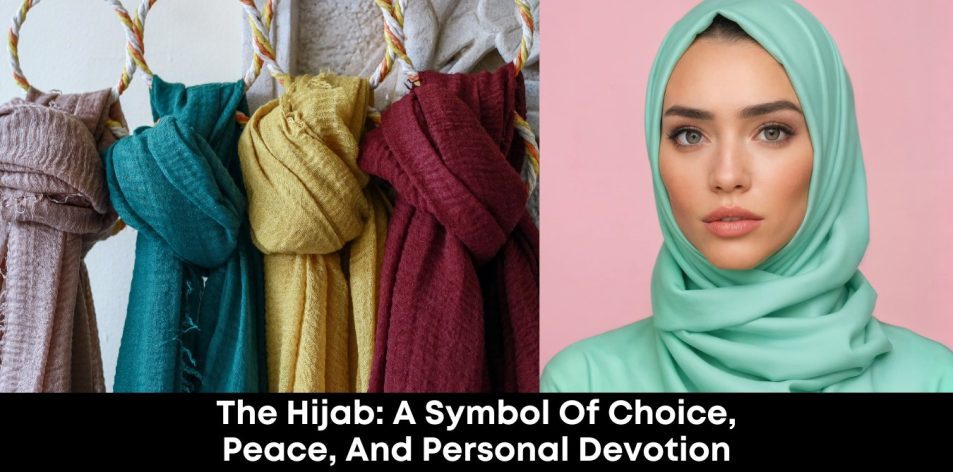
Understanding the Truth Behind the Veil in the Modern Age
In the contemporary fashion world, few garments are as discussed, yet as misunderstood, as the hijab. While mainstream media often portrays the headscarf through a narrow lens of external pressure, the lived reality for millions of women globally tells a vastly different story. For the modern Muslimah, the decision to wear a scarf is frequently a deeply personal choice—a commitment to the teachings of the Prophet (PBUH) and an expression of internal peace. As we navigate 2026, it is essential to look beyond the headlines and understand the hijab as a sophisticated blend of identity, autonomy, and spiritual elegance. This article explores the misconceptions surrounding the scarf and highlights the beauty of choosing a path of modesty.
I. The Power of Choice: A Personal Journey
Contrary to common misconceptions, the journey to wearing a hijab is often one of self-discovery and empowerment. For many who embrace the faith or deepen their practice, the scarf becomes a cherished part of their identity.
- An Act of Devotion: Many women choose to wear the scarf as a way to follow the Prophetic tradition, finding that it brings a sense of tranquillity and “Sakinah” (divine stillness) to their daily lives.
- Intellectual Autonomy: Choosing to wear a hijab is an intellectual decision to be judged by one’s character and thoughts rather than outward physical appearance. In a world obsessed with fleeting beauty standards, this choice is a powerful statement of self-worth.
- Personal Narrative: Every woman has a unique story of why she wears the scarf. For some, it is a connection to their heritage; for others, it is a protective shield that allows them to navigate professional spaces with dignity and focus.
II. A Universal Tradition of Modesty
Modesty is not exclusive to one faith; it is a universal value that has been respected across different cultures and religions throughout history.
- The Parallel of the Nun: In many societies, the sight of a Christian nun wearing a headscarf (a habit) is met with respect and seen as a sign of high moral standing and devotion to God. There is rarely a public “questioning” of their right to dress this way.
- Consistency in Faith: Muslim women who choose to wear the scarf are exercising that same right to religious expression. If society can honour the modesty of a nun, it stands to reason that the same respect and lack of prejudice should be extended to a Muslim woman.
- Shared Values: Across the Abrahamic traditions, covering the head has historically been a sign of humility and reverence. Recognising these shared roots helps bridge the gap of misunderstanding.
III. Beyond the Media Narrative: Overcoming Islamophobia
The term “Islam” is linguistically rooted in the word “Salam,” which means peace. Despite this, media portrayals often perpetuate “Islamophobia”—an unfounded fear or prejudice against the faith and its followers.
- Questioning the Source: It is vital not to follow everything presented in the media without critical thought. Often, the voices of the women who actually wear the hijab are missing from the very debates that claim to “liberate” them.
- The Reality of Peace: In practice, Islam promotes a life of balance, kindness, and communal harmony. The hijab is a visual representation of a woman’s desire to live a life of peace and submission to a higher moral standard.
- Fostering Understanding: By engaging in open, respectful dialogue, we can dismantle stereotypes. When you see a woman in a scarf, recognise that she is an individual with the same aspirations for success and happiness as anyone else.
IV. The Future of Modest Fashion
In 2026, the global modest fashion industry is thriving, proving that one can be both fashionable and faithful. The rise of high-quality fabrics and innovative draping techniques has allowed women to express their choice with immense creativity.
- Empowerment through Style: Modern hijab styles reflect a woman’s personality—from the sharp, professional silk wrap to the relaxed, eco-friendly jersey drape.
- A Global Community: The “hijabi” community is a diverse, global network of professionals, athletes, and artists who are redefining what it means to be a modern woman of faith.
The hijab is a beautiful testament to a woman’s right to choose her own path. By respecting this choice and rejecting the labels imposed by others, we move closer to a society built on true peace and mutual respect. Let us celebrate the diversity of expression and honour the sincerity of those who choose to wear their faith with pride and elegance.