
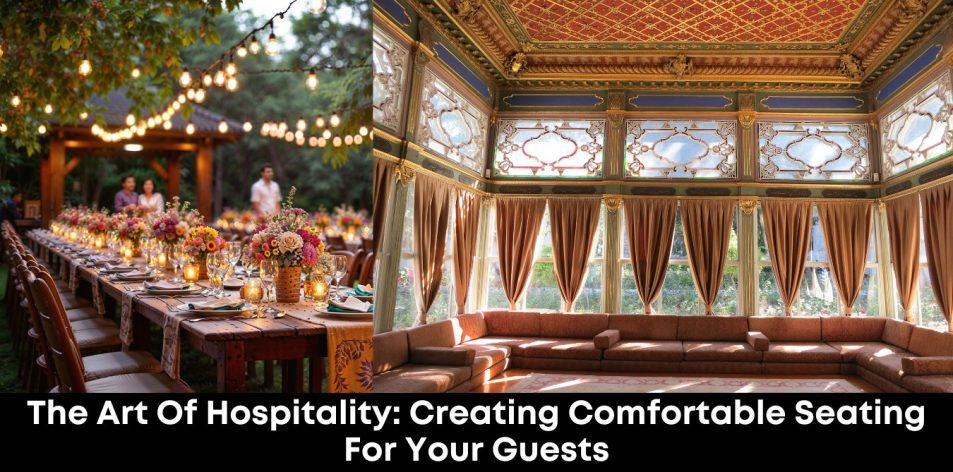
Designing a Welcoming Environment for Meaningful Social Gatherings
Hospitality is a cherished value, and the home serves as the primary venue for strengthening bonds with family, friends, and neighbours. When hosting events or parties, the comfort of your guests is paramount. Beyond the food and décor, the way you arrange your seating and social spaces determines how relaxed and engaged your guests will feel. A well-thought-out seating plan encourages long conversations, ensures everyone feels included, and reflects the generous spirit of a host. This article explores how to create comfortable seating areas and functional spaces in your home to host guests with grace and ease.
I. Creating Conversational Hubs
The goal of any gathering is connection. Your seating should facilitate easy eye contact and comfortable dialogue.
- The Circular Arrangement: Arrange sofas and armchairs in a circular or U-shaped configuration. This prevents people from feeling left out and ensures that everyone is part of a single, inclusive conversation.
- Provide Sufficient Back Support: While trendy stools look good, for longer gatherings, ensure the majority of your seating offers proper back support. Comfortable sofas and deep-seated chairs allow guests to relax for extended periods.
- Occasional Seating: Keep lightweight, foldable chairs or stylish ottomans tucked away that can be easily brought out if the guest list grows unexpectedly. This ensures no one is left standing while others are seated.
II. Embracing Traditional Floor Seating
In many cultures, floor seating is not only traditional but provides a unique sense of intimacy and flexibility.
- Comfortable Cushions and Floor Mats: Use large, firm floor cushions, bolsters, and thick rugs to create a dedicated floor-seating zone. This is particularly useful for larger gatherings where formal chairs may be limited.
- The Majlis Style: Creating a low-seating area along the walls of a room (Majlis style) maximizes space and allows for a high number of guests to sit comfortably without the room feeling cluttered.
- Accessibility: While floor seating is wonderful, always ensure there are conventional chairs available for elderly guests or those with mobility issues to ensure everyone is accommodated.
III. Functional Spaces for Dining and Refreshments
How you serve your guests is just as important as where they sit.
- Buffet vs. Sit-down: For large parties, a buffet-style setup on a side table or kitchen island is often more practical. Ensure there are small side tables or “nesting tables” near every seating area, so guests have a stable place to put their tea, water, or plates.
- Clear Pathways: Arrange your furniture to allow for easy movement. Guests should be able to move to the refreshment area or the restroom without others having to stand up or move their chairs.
- The Entryway: Create a dedicated space near the entrance for guests to leave their shoes, coats, and bags. This keeps the main social area tidy and makes guests feel welcome from the moment they step inside.
IV. Atmosphere and Ambiance
The physical comfort of a chair is enhanced by the environment around it.
- Lighting: Use soft, warm lighting rather than harsh overhead bulbs. Table lamps and floor lamps create a cosy, inviting atmosphere that encourages guests to linger.
- Temperature Control: Ensure the room is well-ventilated. If you are hosting a large group, the room temperature can rise quickly, so keep windows slightly open or use fans to maintain a fresh, comfortable airflow.
- Scent and Cleanliness: A subtle, pleasant scent—such as natural bakhoor or a mild essential oil diffuser—adds a layer of sophistication and hospitality to your home.
By prioritising the comfort and flow of your seating arrangements, you transform your house into a true sanctuary of hospitality. A well-prepared home reflects the care and respect you have for your guests, ensuring that every gathering is remembered for its warmth, comfort, and the joy of shared company.