
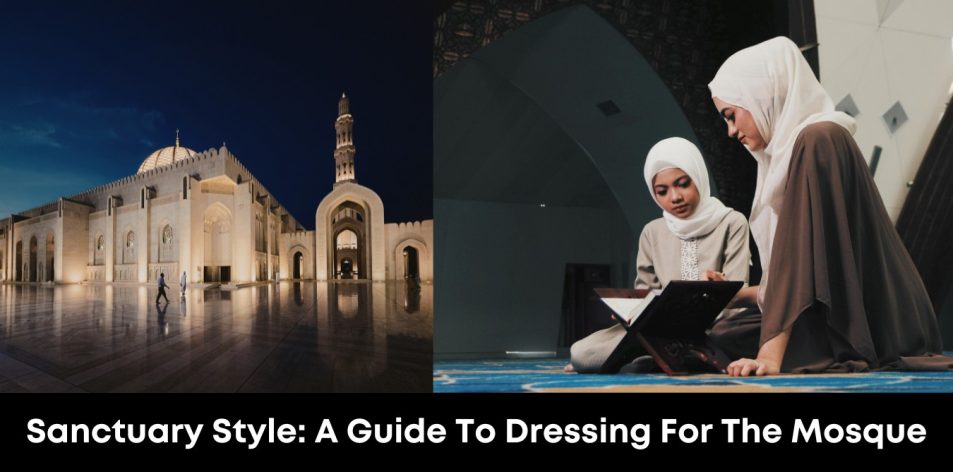
Combining Reverence, Comfort, and Elegance in the House of Worship
The mosque is more than just a building; it is a place of peace, community, and spiritual connection. When entering this sacred space, our attire serves as a reflection of our respect for the environment and the purpose of our visit. For women, dressing for the mosque is an opportunity to embrace a high standard of modesty while maintaining a sense of personal grace. The goal is to choose garments that allow you to focus entirely on your worship and reflection, without the distraction of uncomfortable or ill-fitting clothing. This guide explores how to select the perfect ensemble for the mosque, ensuring you remain modest, comfortable, and appropriately dressed for every prayer.
I. The Essentials of Mosque Etiquette
While fashion is an expression of self, the mosque calls for a specific set of guidelines that prioritises humility and full coverage.
- Full Coverage: The primary requirement is that the clothing covers the entire body, typically excluding only the face and hands. This includes ensuring that ankles and wrists are not exposed during movement or prayer.
- Loose and Opaque Silhouettes: Clothing should not be form-fitting. Choose garments that drape loosely, such as an Abaya, a long Kaftan, or a wide-cut Maxi Dress. Ensure the fabric is thick enough to remain completely opaque under the bright lights of the prayer hall.
- Headwear: A headscarf or Hijab should be worn to cover the hair and neck. Opt for breathable fabrics like jersey or high-quality cotton that stay in place securely throughout the various postures of prayer (Salah).
II. Practical Tips for Comfort During Prayer
Prayer involves standing, bowing, and prostrating. Your clothing must accommodate these movements effortlessly.
- The Length Test: Ensure your skirt or dress is long enough so that it doesn’t ride up when you are in Sujud (prostration). However, avoid excessively long hemlines that might cause you to trip when moving between the prayer lines.
- Sleeve Design: If your sleeves are wide or bell-shaped, consider wearing modest arm covers or “undersleeves.” This prevents the sleeves from sliding down and exposing your forearms when you raise your hands for Takbir.
- Breathable Fabrics: Large gatherings can become warm. Natural fibres like silk-blends, cotton, and linen-viscose are excellent choices as they allow for airflow, keeping you cool and focused during longer Friday sermons or Taraweeh prayers.
III. Modern Style Meets Traditional Values
You can still look polished and intentional while adhering to the strictest codes of modesty.
- Monochrome and Muted Tones: Wearing a single, calming colour—such as deep navy, soft beige, or forest green—creates a look of “quiet luxury” and serenity. It is sophisticated without being loud or distracting to others.
- The “Prayer Set” Convenience: Many modern brands offer beautiful two-piece prayer sets consisting of a long khimar and a matching skirt. These are practical, elegant, and can be easily slipped over your regular clothing if you are visiting the mosque during a busy workday.
- Socks: It is considered respectful and modest to wear clean, opaque socks when entering the prayer area, as shoes are removed at the entrance. Choose neutral tones that complement your outfit.
IV. Mindful Grooming and Fragrance
- Minimalist Approach: Keep makeup light and natural. The focus in the mosque is on internal beauty and sincerity.
- Subtle Scents: While it is a tradition to smell pleasant, avoid using heavy perfumes or colognes that might be overwhelming to those standing close to you in the prayer lines. A light touch of an essential oil or a subtle “Attar” is a thoughtful choice.
- Cleanliness (Taharah): Always ensure your clothes are clean and free from any lint or stains. Presenting oneself in a tidy, well-pressed outfit is a sign of respect for the sanctity of the mosque.
Dressing for the mosque is a beautiful ritual that prepares the heart for worship. By choosing garments that are modest, clean, and comfortable, you honour the space and the community around you. When you feel well-presented and appropriately covered, you can leave the world behind and step into the mosque with a heart ready for peace and reflection.