
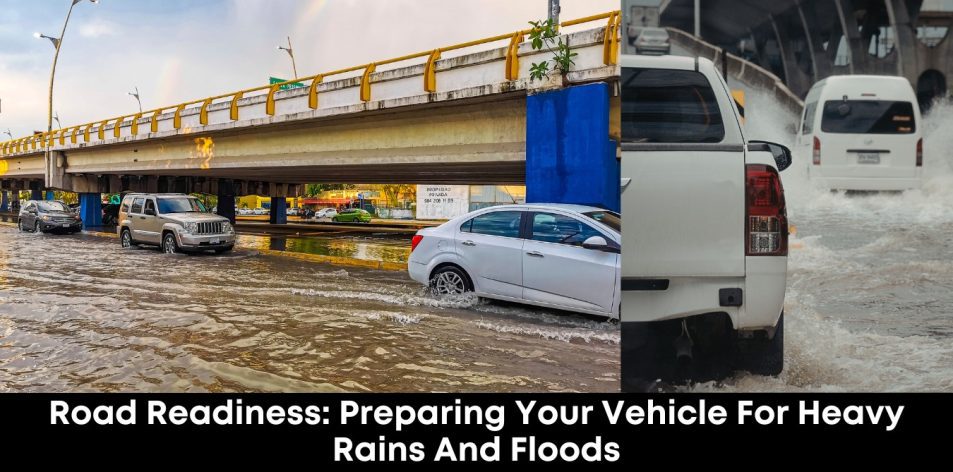
Ensuring Safety and Reliability During the Wet Season
As we enter the season of heavy rains, our responsibility as drivers extends beyond simple navigation. A vehicle is a significant trust and a tool for the safety of our families; ensuring it is mechanically prepared for harsh weather is an act of wisdom and stewardship. Driving through heavy downpours and potentially flooded areas in Kenya requires more than just skill—it requires a machine that is in peak condition. Water can be a destructive force for engines and electrical systems if not respected. This guide provides essential steps to fortify your vehicle, ensuring you can travel with confidence and peace of mind even when the heavens open.
I. The Essentials of Visibility and Traction
When the rain is lashing down, your ability to see and be seen, and your grip on the road, are your most vital assets.
- Wiper Blade Inspection: Do not wait for a storm to realize your wipers are streaking. Replace worn rubber blades immediately. Ensure your washer fluid reservoir is topped up with a high-quality cleaning solution to clear away the oily road film that accumulates during the first rains.
- Lighting System Check: Ensure all your lights—headlights, indicators, and especially your fog lights—are functioning perfectly. In heavy rain, your lights are less about seeing the road and more about ensuring other drivers can see you.
- Tyre Tread Depth: Worn tyres are prone to hydroplaning, where the car slides uncontrollably on a thin film of water. Check that your tread depth is well above the legal limit (at least 3mm is recommended for the wet season) to ensure water is effectively channeled away from the contact patch.
II. Mechanical Fortification Against Water Ingress
Flooded roads present a unique set of challenges that can lead to expensive mechanical failures if your car is not prepared.
- Brake Performance: Wet brakes can lose their “bite.” Have your brake pads and discs inspected for wear. After driving through deep water, always tap your brakes lightly several times to dry them out through friction.
- Air Intake Awareness: For those driving low-slung vehicles, be aware of where your engine’s air intake is located. If water is sucked into the intake (hydro-locking), it can destroy the engine instantly. If you frequently navigate flood-prone areas, consider having a mechanic check that your intake ducting is secure and free of cracks.
- Seal and Gasket Integrity: Check the rubber seals around your doors and boot. If these are perished, rainwater can seep into the cabin, leading to dampness, odours, and electrical shorts. A simple application of silicone spray can help keep these seals supple and watertight.
III. Electrical and Underbody Protection
Modern vehicles are filled with sensitive electronics that do not mix well with Kenyan floodwaters.
- Protect the Battery and Terminals: Ensure your battery terminals are clean and coated with a thin layer of petroleum jelly or terminal grease. This prevents moisture-induced corrosion which can lead to starting failures during cold, wet mornings.
- Underbody Coating: Consider an anti-rust underbody treatment. The salt and grit washed onto the roads during heavy rains can accelerate corrosion on the chassis and exhaust system.
- Check Your Shocks and Suspension: Heavy rains often hide deep potholes under puddles. A healthy suspension system will help your vehicle absorb these impacts without losing control or sustaining structural damage.
IV. The Ethics of the Road: Driving with Sabr
Preparing the vehicle is only half the battle; the other half is the character of the driver. When the roads are flooded and traffic is heavy, practicing “Sabr” (patience) is essential. Avoid the temptation to splash pedestrians or speed through deep water, which can create a “bow wave” that floods your own engine or stalls a smaller vehicle nearby. Drive with a spirit of “Ihsan” (excellence), showing mercy and patience to fellow road users. If a road looks too deep, do not take the risk; find an alternative route. Your safety and the preservation of your vehicle are far more important than reaching your destination a few minutes earlier.
By taking these proactive steps, you demonstrate responsible care for your property and ensure that your journeys remain safe and blessed, regardless of the weather outside.