
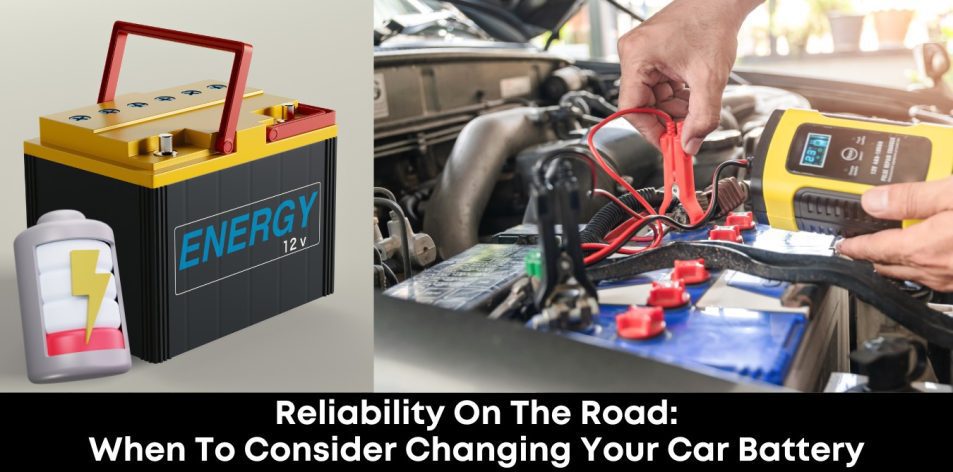
Ensuring Your Vehicle is Always Ready for the Journey Ahead
The car battery is the silent heart of your vehicle’s electrical system. It provides the initial surge of power needed to start the engine and stabilizes the electricity for your lights, radio, and dashboard electronics. However, like all components, a battery has a finite lifespan and will eventually lose its ability to hold a charge. For many drivers, a dead battery happens at the most inconvenient times—often when you are rushing to a morning meeting or preparing for a family trip. By recognizing the early warning signs of a failing battery, you can act proactively, ensuring your vehicle remains a reliable tool for your daily life and responsibilities. This article outlines the key indicators that it is time to invest in a new car battery.
I. Recognizing the Physical and Performance Warning Signs
Your car often provides subtle clues that the battery is reaching the end of its useful life. Paying attention to these signals can prevent you from being stranded.
- Slow Engine Crank: If the engine takes longer than usual to roll over or sounds sluggish when you turn the key, this is a primary symptom of a weak battery. It indicates the battery can no longer provide the high current required for the starter motor.
- Dimming Headlights and Electrical Glitches: If your headlights appear dimmer at idle or if your power windows move more slowly than usual, the battery may be struggling to support the electrical load. You might also notice the “check engine” or “battery” light flickering on the dashboard.
- A Misshapen Battery Case: Extreme heat or cold can cause a battery case to swell or bloat. If the casing looks rectangularly distorted rather than flat and sharp, the battery has likely undergone a chemical reaction that has compromised its integrity and safety.
- Corrosion and Odours: Inspect the terminals. A buildup of white, ashy powder (corrosion) can hinder the flow of electricity. Additionally, if you smell a pungent “rotten egg” scent near the battery, it may be leaking sulfuric acid, which is a clear sign that a replacement is urgent.
II. The Age Factor: The Three-Year Rule
Even if your car seems to be running perfectly, age is an invisible factor that affects every lead-acid battery.
- Standard Lifespan: Most car batteries last between three and five years. In hotter climates, such as parts of Kenya, the heat can accelerate the evaporation of the internal liquids, often shortening the lifespan toward the three-year mark.
- Know Your Date: Check the manufacturing date sticker on the top or side of your battery. If it is older than three years, it is wise to have it professionally tested during your next service, even if you haven’t experienced symptoms yet.
III. Factors That Shorten Battery Life
How you use your vehicle directly impacts how long your battery will remain healthy.
- Short Trips: If you only drive short distances (less than 15 minutes), the alternator does not have enough time to fully recharge the battery after the heavy drain of starting the engine. Over time, this leads to “acid stratification” and a shorter lifespan.
- Parasitic Drain: Leaving interior lights on or having aftermarket security systems that draw too much power while the car is parked can deeply discharge the battery, causing permanent damage to its capacity.
- Extreme Temperatures: While cold weather is often blamed for battery failure, it is actually the heat of the summer that does the most damage by drying out the internal components. The failure often just becomes more apparent when the weather turns cold.
IV. Simple Maintenance for Longevity
- Keep it Clean: Periodically wipe the top of the battery and the terminals with a dry cloth to prevent dirt from creating a “pathway” for the current to leak away.
- Check the Tightness: Ensure the battery is securely clamped in its tray. Vibrations from rough roads can loosen the internal plates and shorten the battery’s life significantly.
- Regular Testing: During your routine oil change, ask your mechanic to perform a “load test.” This quickly determines if the battery still has enough strength to handle a heavy load.
A reliable battery is essential for the safety and functionality of your vehicle. By staying mindful of its age and performance, you demonstrate responsible stewardship over your property, ensuring that you and your family can travel with peace of mind and confidence.