
Discover the Rules, Gear, and Strategies for This Dynamic Social Sport
Padel is taking the sporting world by storm, offering a unique blend of tennis and squash that is accessible, social, and highly engaging. Because it is played in doubles on a smaller, enclosed court, it emphasizes strategy and teamwork over raw power, making it a fantastic way to maintain physical fitness and build community. Whether you are looking for a new hobby to enjoy with friends or a competitive way to stay active, Padel provides an excellent full-body workout. This article breaks down the essential rules, the equipment you need, and practical tips for beginners to get started on the right foot.
I. How to Play: The Basics
Padel is almost always played as a doubles game (two against two). The court is roughly one-third the size of a tennis court and is surrounded by walls of glass and metallic mesh, which are an active part of the game.
- The Serve: All serves must be underhand and struck at or below waist level. The ball must bounce once in the server’s box before being hit diagonally into the opponent’s service box.
- Using the Walls: Like squash, the ball can be played off the walls. After the ball bounces on the opponent’s turf, it may hit any number of walls before being returned. However, if the ball hits the wall directly without bouncing on the ground first, it is considered out.
- Scoring: Padel uses the same scoring system as tennis: 15, 30, 40, and Game. A set is won by the first team to win six games with a two-game lead.
- The Net: While it looks like a tennis net, players are not allowed to touch the net or the posts with their bodies or rackets at any time during a point.
II. Essential Gear: What Do You Need to Buy?
One of the benefits of Padel is that it requires relatively minimal equipment to get started.
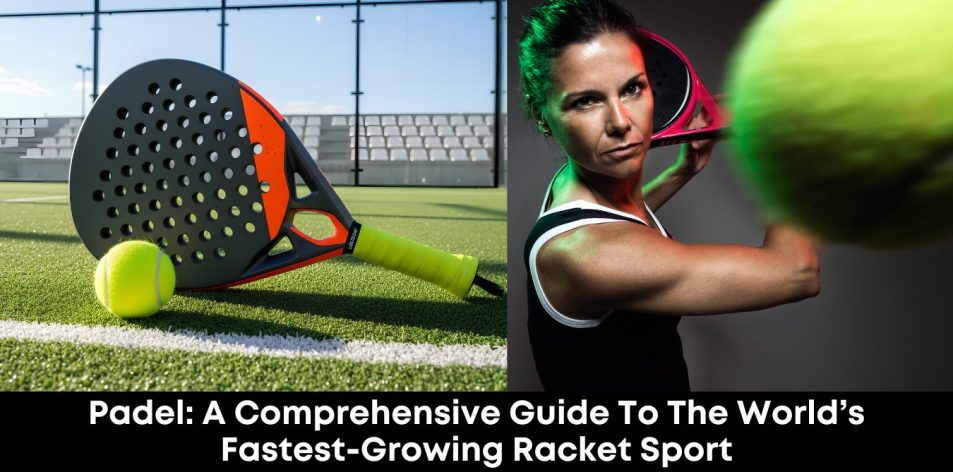
- Padel Racket (Bat): Unlike tennis rackets, Padel bats are solid with no strings. they are made of composite materials with holes on the surface. For beginners, a round-shaped racket is best as it offers a larger “sweet spot” and better control.
- Padel Balls: While they look like tennis balls, Padel balls have less pressure, making them slightly slower and better suited for the smaller court and wall play. Always ensure you are using balls specifically designed for Padel.
- Footwear: Proper shoes are vital for safety. Look for “clay court” tennis shoes or specific Padel shoes. These provide the necessary grip on the artificial grass and sand surface to prevent slipping during quick lateral movements.
- Comfortable Sportswear: Opt for modest, breathable athletic clothing that allows for a full range of motion.
III. Top Tips for Beginners
Transitioning from other racket sports can be tricky. Keep these tips in mind to improve your game quickly:
- Embrace the Walls: Beginners often fear the glass, but the walls are your best friend. Instead of rushing to hit every ball, let the fast ones hit the back glass and take them on the rebound. It gives you more time to prepare your shot.
- Positioning is Key: Work with your partner. In Padel, if one player moves to the net, the other should generally follow. Maintaining a shared line helps cover the court more effectively.
- Underhand is Better: In the beginning, avoid trying to smash the ball. Padel is a game of patience. Focus on consistent, well-placed shots (the “Lobat”) to push your opponents back and force an error.
- Bend Your Knees: The ball often stays low after hitting the glass. Staying low to the ground will give you better balance and more control over your returns.
IV. Why Padel is Great for You
Beyond the physical benefits of improved cardiovascular health and coordination, Padel is an inherently social sport. It encourages healthy competition and provides a great environment for building brotherhood and friendship. It is a wholesome way to spend your free time, focusing on discipline, agility, and the joy of movement.