
Essential Skills and Safety Tips for Confident Swimming and Snorkelling
The vast, blue expanse of the ocean is one of the most magnificent signs of the Almighty’s creation, offering a sense of peace and wonder that is hard to find elsewhere. For many Muslim families in Kenya, a trip to the coast in Mombasa, Lamu, or Watamu is a cherished time for relaxation and bonding. However, swimming in the open sea is vastly different from a controlled pool environment. The tides, currents, and depth require a specific set of skills and a calm mindset. By preparing your body and understanding the rhythm of the water, you can enjoy the ocean’s beauty with confidence and safety. This guide explores the essential strokes, breathing techniques, and gear needed to make your first ocean excursion a success while maintaining a spirit of gratitude and caution.
I. Essential Swimming Strokes for the Open Sea
In the ocean, efficiency and buoyancy are more important than speed. You need strokes that allow you to navigate waves without exhausting yourself.
- The Breaststroke: This is the most practical stroke for the ocean. It allows you to keep your head above water to monitor your surroundings, spot your boat, and communicate with others. It is also less tiring for long distances.
- The Backstroke (Survival Backstroke): If you become tired, flipping onto your back is the best way to conserve energy. A gentle, inverted breaststroke kick while on your back allows you to float effortlessly while still moving toward safety.
- Sighting Technique: This isn’t a stroke, but a vital skill. Every few strokes, lift your head slightly higher to “sight” a landmark or your boat. In the ocean, currents can subtly pull you off course without you realising it.
II. Breath-Hold and Snorkelling Mastery
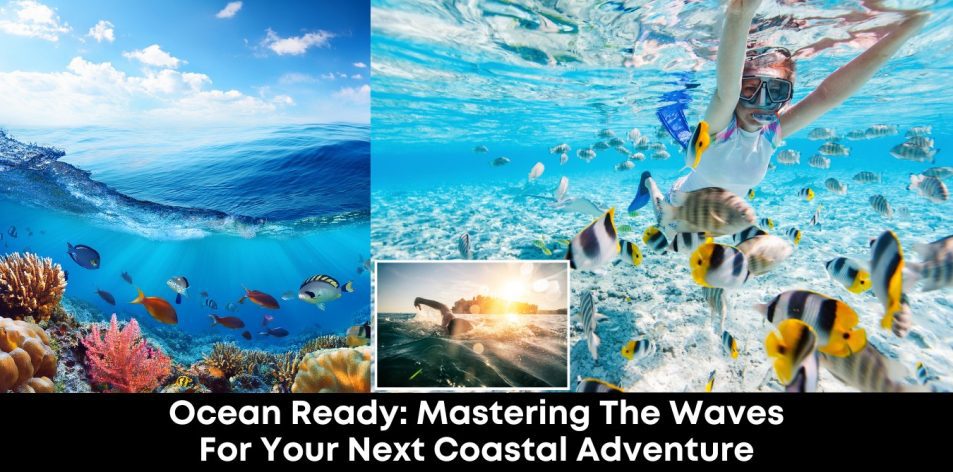
Snorkelling and light free-diving allow you to witness the hidden wonders of the coral reefs, but they require a calm respiratory rhythm.
- Duration Goals: For a beginner snorkeller or casual free-diver, being able to hold your breath comfortably for 30 to 45 seconds is more than enough to dive down and observe the reef. Never push yourself to the point of discomfort; the goal is relaxation, not a record.
- The Art of Equalisation: As you dive deeper, remember to “equalise” your ears by gently pinching your nose and blowing to prevent pressure pain.
- Recovery Breathing: After every dive, take three deep, calming breaths at the surface. This re-oxygenates your blood and keeps your heart rate low, preventing panic.
III. Vital Gear for Your First Ocean Excursion
Investing in the right equipment ensures that you are comfortable and protected from the elements.
- Quality Mask and Snorkel: Ensure your mask has a tempered glass lens and a silicone skirt that creates a watertight seal on your face. A “dry-top” snorkel is excellent for beginners as it prevents water from entering the tube when a wave passes over.
- Fins (Flipers): Fins are essential for navigating currents. They provide the thrust needed to move through the water with minimal effort. Choose a pair that fits snugly but doesn’t pinch your toes.
- Modest Swimwear and Rash Guards: A high-quality UV-protected rash guard or a full-body modest swimsuit is essential. Not only does it align with our values of modesty, but it also protects your skin from jellyfish stings and the intense coastal sun.
- Safety Buoy: If you are swimming away from the boat, a brightly coloured tow-float or safety buoy makes you visible to boats and jet skis.
IV. Navigating Emergencies with Sabr and Calm
The most dangerous thing in the ocean isn’t the water; it is panic. Maintaining a calm mind is your greatest safety tool.
- Handling Currents: If you find yourself in a “rip current” (water pulling you away from shore), do not swim against it. Instead, swim parallel to the shore until you are out of the current’s pull, then head back to land.
- The “Starfish” Float: If you feel overwhelmed or tired, simply spread your arms and legs and float on your back. The salt water provides natural buoyancy—trust it.
- Safe Swimming Zones: Always stick to designated “safe zones” often marked by buoys or monitored by local boat captains. Avoid swimming near rocky outcrops where waves can push you against sharp surfaces.
- Boat Safety: When stopping your boat for a swim, ensure the anchor is firmly set in a sandy patch (to avoid damaging coral). Always stay on the “up-current” side of the boat so that if you drift, you drift toward the ladder, not away from it.
The ocean is a reminder of the vastness of the world and our humble place within it. By approaching it with respect, preparation, and a calm heart, you turn every swim into a refreshing and safe experience. Do not stress; the water is a gift to be enjoyed. Be mindful of the currents, stay close to your companions, and let the rhythmic pull of the tides bring you peace. May your coastal travels be filled with safety and the joy of discovery.