
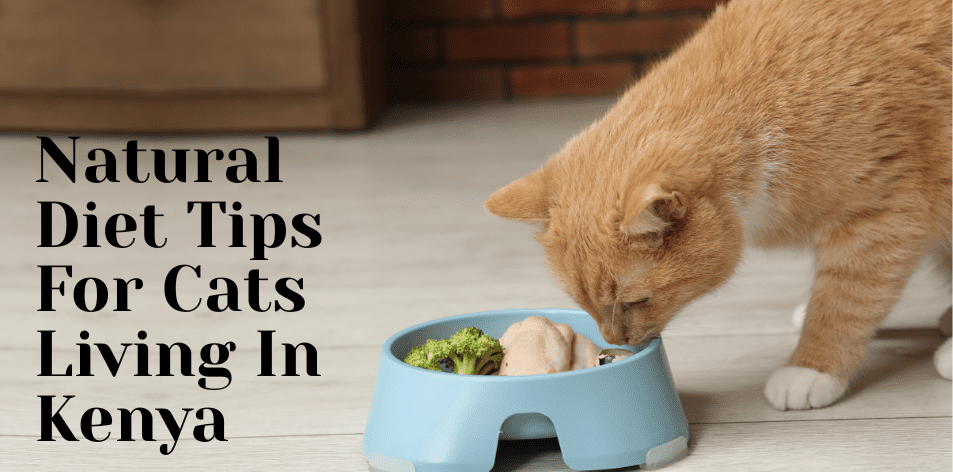
Healthy, Ethical Feeding Practices For Urban & Rural Cats
Nutrition is the foundation of a cat’s health, energy, and longevity. In Kenya, cat owners face unique challenges: urban cats may rely on packaged foods, while rural cats may have access to fresh local ingredients. Striking a balance between natural, high-quality foods and safe, ethical feeding practices ensures your cat thrives — physically, mentally, and ethically.
This guide explores practical, natural feeding tips suitable for Kenyan homes, helping you create a balanced diet that respects both your cat’s wellbeing and halal principles.
Key Elements of a Healthy Cat Diet
Cats are obligate carnivores, meaning their bodies are designed to thrive on high-protein foods. A proper diet should include:
- Animal proteins: Fresh fish, chicken, turkey, or lean meat are ideal. In Kenya, locally sourced chicken or small fish varieties like tilapia fillets (cooked) can be excellent protein sources.
- Limited grains: Cats do not require large amounts of carbohydrates. Avoid excessive fillers such as corn or wheat that can cause digestive issues.
- Occasional treats: Small portions of cooked meat or freeze-dried fish can be given sparingly as rewards or enrichment.
Safe Feeding Practices
Feeding cats improperly can lead to illness or nutritional deficiencies. Follow these safety guidelines:
- Avoid raw meat unless it is properly frozen or prepared to eliminate pathogens. Raw feeding requires careful hygiene.
- Provide fresh water at all times, especially during Kenya’s hot months. Consider multiple water stations for urban homes or shaded bowls for outdoor cats.
- Monitor weight and condition: Adjust portions according to your cat’s age, activity level, and body condition. Overfeeding is as harmful as underfeeding.
Supplements and Natural Options
Some natural foods and supplements can enhance your cat’s health when used correctly:
- Cooked vegetables for fibre: Small amounts of pumpkin, carrot, or zucchini can aid digestion and prevent constipation.
- Fish oil supplements: Rich in omega-3s, these support healthy skin, coat, and joints. A few drops weekly are sufficient.
- Probiotics and vitamins: Only under veterinary guidance; these help with gut health and nutrient balance when necessary.
DIY Feeding Tips for Kenyan Cat Owners
- Mix fresh and commercial foods: Combine local meats with high-quality cat food to provide variety and ensure balanced nutrition.
- Rotate proteins: Switching between chicken, fish, and turkey prevents dietary boredom and allergies.
- Homemade enrichment: Hide small portions of food or treats in DIY puzzle feeders made from jars or cardboard to encourage natural hunting behaviour.
A natural, balanced diet is key to keeping cats healthy, active, and happy. By combining high-quality proteins, safe supplements, and thoughtful feeding practices, Kenyan cat owners can provide ethical, nutritious meals that support long, thriving lives for their feline companions.