
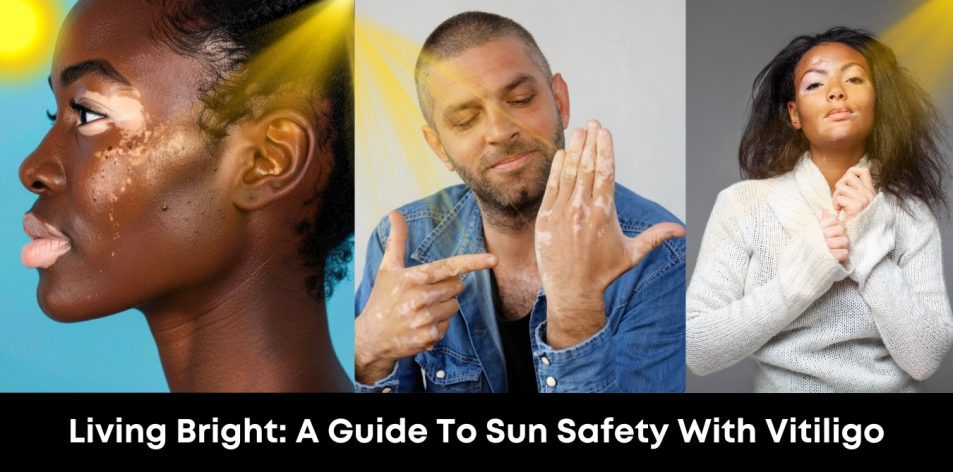
Enjoying the Great Outdoors While Protecting Your Unique Skin
Vitiligo is a condition that results in the loss of pigment in certain areas of the skin, creating beautiful and unique patterns. However, these depigmented patches lack melanin, the body’s natural defence against ultraviolet (UV) radiation. This makes the skin significantly more sensitive to the sun, increasing the risk of painful sunburns and long-term damage. While protection is vital, it should never prevent you from enjoying the beauty of nature or participating in outdoor social gatherings. By adopting a proactive and mindful approach to sun safety, you can protect your health while fully embracing an active, outdoor lifestyle. This guide provides practical tips for those with vitiligo to stay safe and comfortable under the sun.
I. The Importance of High-Level Sun Protection
Because depigmented skin can burn in as little as 15 minutes, your choice of sunblock is your first line of defence.
- Broad-Spectrum SPF 50+: Always choose a “broad-spectrum” sunscreen, which protects against both UVA and UVB rays. An SPF of at least 50 is recommended for affected areas. Apply it generously 20 minutes before heading outside.
- Consistency is Key: Sunscreen wears off through perspiration and movement. Reapply every two hours, or more frequently if you are engaging in sports or swimming.
- Focus on the Patches: Pay extra attention to the edges and the centres of your vitiligo patches, as these areas are the most vulnerable.
II. Dressing for Modesty and Safety
Clothing is often more effective than sunscreen because it provides a physical barrier that doesn’t wear off.
- UPF-Rated Fabrics: Look for clothing with a UPF (Ultraviolet Protection Factor) rating. UPF 50+ fabrics block 98 per cent of the sun’s rays. Many modern, modest designs now incorporate these lightweight, breathable tech-fabrics.
- Full Coverage: Opt for long sleeves, maxi skirts, or loose-fitting trousers. Light-coloured, tightly woven natural fabrics like linen and cotton are excellent for keeping you cool while ensuring your skin is shielded.
- Wide-Brimmed Hats: A hat with a brim of at least 7cm protects not only your scalp but also your ears, neck, and the sensitive skin around your eyes.
III. Timing Your Outdoor Fun
You can still enjoy the outdoors by simply choosing the right time of day to be active.
- Avoid Peak Hours: The sun’s rays are strongest between 10:00 am and 4:00 pm. Plan your walks, garden gatherings, or sporting activities for the early morning or late afternoon when the UV index is lower and the air is cooler.
- Seek the Shade: When hosting or attending outdoor events, position yourself under umbrellas, trees, or pergolas. Being in the shade can reduce UV exposure by up to 50 per cent.
- Check the UV Index: Use a weather app to check the daily UV index. On “Very High” days, it is best to limit time outdoors or be exceptionally vigilant with your protective layers.
IV. Hydration and Skin Care
Sun-sensitive skin requires extra care to maintain its barrier and health.
- Internal Hydration: Drinking plenty of water is essential for skin health. Hydrated skin is more resilient and heals faster if accidental irritation occurs.
- Soothing After-Care: After a day outdoors, cleanse your skin gently and apply a fragrance-free, soothing moisturiser or aloe vera gel. This helps to calm any inflammation and prevents dryness.
- Eye Protection: Don’t forget your eyes. Wear UV-rated sunglasses to protect the delicate skin around the eyelids, where vitiligo often appears.
Managing vitiligo is about balance and care. By respecting the sun and taking these simple precautions, you can protect your skin’s integrity without sacrificing the joy of life’s outdoor moments. Your health is a trust, and taking care of your skin is a beautiful way to honour that responsibility while living life to the fullest.