
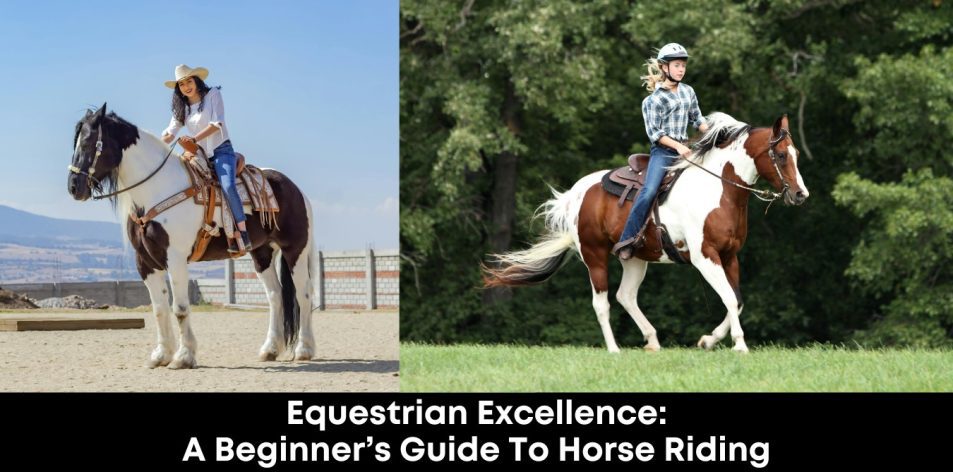
Mastering the Fundamentals of Mounting, Balance, and Control
Horse riding is a noble pursuit that has been cherished for centuries, offering a unique blend of physical exercise, mental discipline, and a profound connection with one of nature’s most magnificent creatures. For the beginner, the first few sessions are about building a foundation of trust and understanding the mechanics of movement. Riding engages your core, improves your posture, and develops a sense of balance that few other sports can match. Whether you are looking for a new weekend hobby or a way to stay active, mastering the basics is the first step toward becoming a confident rider. This article guides you through the essential techniques of mounting, staying balanced, and directing your horse with grace and precision.
I. How to Climb On: Mounting with Confidence
Mounting the horse is your first interaction as a rider. It should be done calmly and correctly to ensure both your safety and the comfort of the horse.
- The Traditional Approach: Always mount from the “near side” (the horse’s left side). Stand at the horse’s shoulder, facing the rear. Hold the reins firmly but not tightly in your left hand, along with a tuft of the mane for stability.
- Using the Stirrup: Place your left foot into the stirrup, ensuring the ball of your foot is resting on the metal bar. Grasp the back of the saddle (the cantle) with your right hand.
- The Lift: In one smooth motion, spring upward, keeping your body close to the horse. Swing your right leg carefully over the horse’s back without kicking it, and gently lower yourself into the seat. Never “plop” down, as this can startle the horse or hurt its back.
- Adjusting: Once seated, place your right foot into the right stirrup and adjust your reins.
II. How to Stay On: Balance and Posture
Staying on a horse is less about “gripping for dear life” and more about finding a rhythmic balance with the horse’s movement.
- The Ideal Posture: Sit tall with your shoulders back and your weight distributed evenly across your seat bones. Imagine a straight line running through your ear, shoulder, hip, and heel.
- Heels Down: One of the most important rules in riding is to keep your heels pushed down. This lowers your centre of gravity and locks your legs into a secure position, preventing your feet from sliding through the stirrups.
- Relaxed Core: Your body should be firm but supple. Allow your hips to move with the horse’s gait. If you are too stiff, you will bounce in the saddle; if you are relaxed, you will move as one with the animal.
- Gentle Hands: Keep your elbows at your sides and your hands low. The reins are your primary communication tool; avoid pulling on them for balance, as this causes discomfort to the horse’s mouth.
III. Directing Your Horse: Steering and Stopping
Controlling a horse is a silent dialogue involving your hands, legs, and even your weight.
- Turning Left or Right: To turn, look in the direction you want to go. Open your rein slightly in that direction (like opening a door) and apply gentle pressure with your opposite leg against the horse’s side. The horse will naturally move away from the pressure and follow your hand.
- Stopping (The Whoa): To ask the horse to stop, sit deep into the saddle, pull back gently and evenly on both reins, and use a calm verbal cue. Once the horse stops, immediately release the pressure on the reins as a reward for its obedience.
- Moving Forward: To ask the horse to walk, sit tall and give a gentle squeeze with both calves. If the horse doesn’t respond, a slightly firmer “cluck” sound or a second squeeze will usually suffice.
IV. Ethical Riding and Stewardship
Riding is a partnership based on mutual respect. A good rider is always mindful of the horse’s well-being—ensuring it is well-rested, properly fed, and treated with kindness. This discipline teaches us patience and humility, as we learn to lead another living being with a gentle hand and a firm spirit. By focusing on these basics, you ensure that every ride is a safe, rewarding, and honourable experience for both you and your horse.