
Purifying Wealth and Empowering the Community Through Sincere Giving
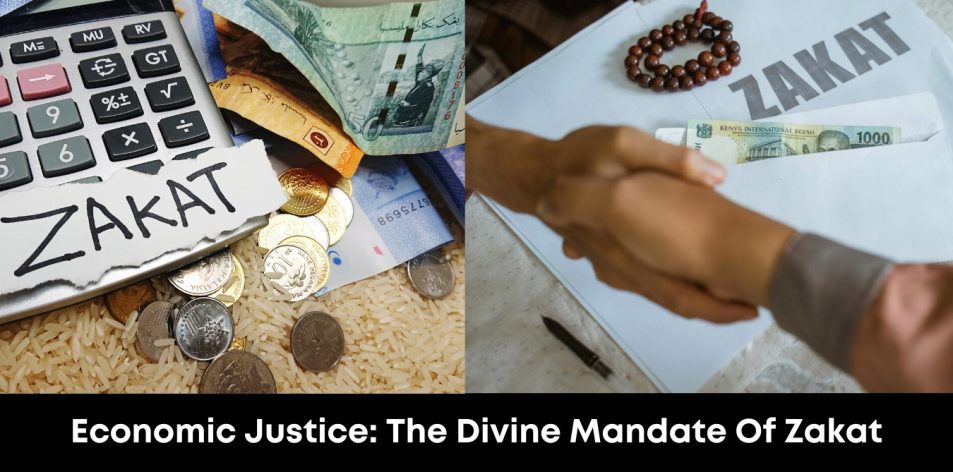
In the world of business and finance, success is often measured by accumulation. However, in the divine framework of our faith, true prosperity is achieved through circulation and purification. Zakat, the third pillar of Islam, is not a voluntary charity or a tax; it is a “specified right” of the poor over the wealth of the rich. By systemically redistributing a small portion of our surplus, we cleanse our assets of selfishness and ensure that the community’s most vulnerable members are supported with dignity. This guide explores the historical and spiritual roots of Zakat, its presence in previous scriptures, and the practical steps to ensure your calculation aligns with Allah’s guidance.
I. Zakat in Divine Revelation: A Pre-Existing Sunnah
The obligation of Zakat did not begin with the Quran; it has been a consistent commandment throughout the history of prophethood, emphasizing that social justice is central to all divine messages.
- The Quranic Mandate: Allah commands us repeatedly to “establish prayer and give Zakat” (Surah Al-Baqarah 2:43). This pairing signifies that our relationship with the Creator is incomplete without a compassionate relationship with His creation. In Surah At-Tawbah (9:103), Zakat is described as a means to “purify them and sanctify them.”
- References in the Torah (At-Tawrat): The Quran confirms that Zakat was enjoined upon the Children of Israel: “And remember when We made a covenant with the Children of Israel… establish prayer and pay Zakat” (Surah Al-Baqarah 2:83). In the Torah (Deuteronomy 14:28-29), the concept of the “tithe” serves a similar purpose, ensuring the levite, the stranger, the fatherless, and the widow may eat and be satisfied.
- References in the Injeel (The Gospel): Prophet Isa (Jesus) affirmed his commitment to this pillar, as recorded in the Quran: “And He has enjoined upon me prayer and Zakat as long as I live” (Surah Maryam 19:31). This mirrors the teachings of the Gospel that emphasize giving to the poor as a way to store “treasure in heaven.”
II. How to Calculate Zakat Properly in 2026
Zakat is due once an Islamic lunar year (Hawl) has passed on wealth that meets or exceeds the minimum threshold, known as the Nisab.
- Determining the Nisab: The Nisab is equivalent to 87.48 grams of gold or 612.36 grams of silver. In 2026, most scholars recommend using the silver threshold for the benefit of the poor, as it is more inclusive.
- The 2.5 Per Cent Rule: For most liquid assets—including cash, gold, silver, shares, and business inventory—the Zakat rate is a fixed 2.5 per cent.
- Zakatable Assets: You must include all cash (at home or in the bank), the market value of gold/silver jewelry (if kept as an investment), and the current value of business stock. You may deduct immediate debts and living expenses for the month.
- The Anniversary Date: Identify the date your wealth first hit the Nisab. One lunar year from that date is your Zakat anniversary. Many choose Ramadan for the extra blessings, but your specific due date is based on your own financial “lunar anniversary.”
III. What Zakat Is Not: Avoiding Common Pitfalls
To ensure your Zakat is valid and follows God’s guidance, it is crucial to understand its specific boundaries. Zakat is a restricted fund with eight specific categories of recipients defined in Surah At-Tawbah (9:60).
- Not for the Non-Needy: You cannot give Zakat to those who already possess the Nisab themselves. Giving to a wealthy relative or a friend out of social obligation is not Zakat; it must be directed to the “Faqir” (poor) or “Miskin” (needy).
- Not a Salary for the Prayer Leader: Zakat cannot be used as a standard salary for the Imam or the leader of your prayer hall unless they independently fall into the category of the poor or are part of the officially appointed “Zakat workers” (Amilina Alayha) who administer the funds.
- Not for Infrastructure: Zakat funds cannot be used to build mosques, schools, or hospitals. While these are noble causes for voluntary charity (Sadaqah), Zakat must be given directly to, or for the immediate benefit of, the eight eligible categories of people.
- Not for Direct Dependents: You cannot give Zakat to your spouse, parents, or children, as you are already legally and morally obligated to provide for them from your regular wealth.
IV. The Spiritual and Business Impact
When you pay Zakat, you are not doing the poor a favour; you are returning what rightfully belongs to them. In the business world, this practice prevents the “stagnation” of wealth. It encourages investment in the real economy rather than hoarding, which stimulates growth and reduces the wealth gap. More importantly, it brings “Barakah” (blessing) into your remaining 97.5 per cent, protecting it from loss and inviting divine increase. Following Allah’s guidance in this matter ensures that your professional success is a source of mercy for society and a means of salvation in the Hereafter.
By approaching Zakat with precision and sincerity, you transform your financial life into a journey of spiritual purification. May your wealth be a source of ease for others and a continuous blessing for your household.