
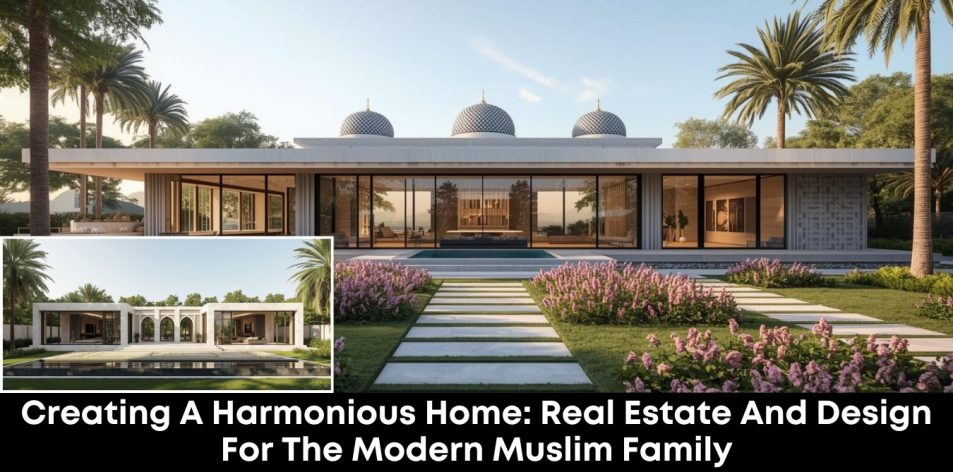
Building a Sanctuary that Aligns with Your Values, Privacy, and Community
For the modern family, a home is much more than a financial asset; it is a sanctuary intended to foster peace, spiritual growth, and strong communal bonds. When searching for real estate or embarking on a home renovation, the choices we make in layout and location can significantly impact our daily quality of life. A harmonious home is one that balances contemporary aesthetics with the practical requirements of a modest and faith-centred lifestyle. From dedicated spaces for reflection to kitchens designed for wholesome meal preparation, every corner of your property can be optimised to support your family’s unique needs. This guide explores essential real estate and design tips to help you create a home that truly resonates with your values.
I. Prayer-Friendly Spaces: Dedicated Areas for Reflection
In the busyness of modern life, having a designated, quiet area for daily prayers (Salah) and reflection is a vital component of a peaceful home.
- Identify a Quiet Zone: When choosing a house, look for a room or a secluded alcove away from high-traffic areas like the kitchen or television room. This ensures that those in prayer are not interrupted by household noise.
- Orientation and Cleanliness: Ensure the space is large enough for multiple family members to pray together. Using built-in shelving to store copies of the Quran and prayer mats keeps the area tidy and respectful. Soft, neutral wall colours and dimmable lighting can further enhance the serene atmosphere.
- Ablution Facilities: If you are building or renovating, consider adding a small, tiled foot-wash station or a low-set tap in a nearby bathroom to make Wudu (ablution) easier and safer for both children and the elderly.
II. Family-Centric Layouts: Accommodating Multigenerational Living
Many families find great joy and support in living with extended family members. A well-designed home should offer both communal gathering spots and private retreats.
- Dual Living Areas: Look for properties with two distinct living rooms. This allows for a “formal” area to host guests while maintaining a “family” area where children can play and relax freely.
- Ground-Floor Bedrooms: For homes with multiple levels, having at least one master suite on the ground floor is essential for elderly parents or guests who may find stairs challenging.
- Zoned Living: While open-plan kitchens are popular, “zoned” living—where sliding doors or decorative screens can separate the kitchen from the dining area—provides more flexibility and privacy when hosting guests.
III. Privacy and Modesty: Thoughtful Room and Window Placement
Privacy (Haya) is a cornerstone of a comfortable home environment, particularly in urban areas where houses are built close together.
- Strategic Window Treatments: Utilise “top-down, bottom-up” blinds or high-quality sheer curtains. These allow natural light to flood the room while preventing passers-by from seeing inside. Tinted windows or decorative frosted glass are also excellent options for street-facing rooms.
- Guest Routing: When viewing floor plans, notice the path a guest takes from the front door to the lounge. A layout that doesn’t require guests to walk through private bedroom hallways or the main kitchen area is ideal for maintaining family privacy.
- Outdoor Seating: For gardens and balconies, use tall planters, wooden trellises with climbing jasmines, or privacy screens to create a secluded outdoor area where the family can enjoy the fresh air away from the neighbours’ view.
IV. The Heart of the Home: Halal-Friendly Kitchen Design
A kitchen designed for a balanced and wholesome diet (Tayyib) makes meal preparation an efficient and enjoyable process.
- Ample Storage and Prep Space: Deep pantries and wide countertops are essential for families who prefer to cook fresh meals at home. Dedicated stations for meat and vegetable preparation can help maintain high standards of hygiene.
- Double Sinks and High-Capacity Ovens: If you frequently host large family gatherings or Eid celebrations, investing in a double sink and a wide oven will significantly ease the pressure of high-volume cooking.
- Ventilation: Strong, high-quality extractor fans are a must to ensure that the aroma of spices doesn’t permeate the soft furnishings of the rest of the house.
V. Community and Location: Choosing the Right Neighbourhood
Real estate is as much about the surroundings as it is about the bricks and mortar. The right location can make practicing your values much easier.
- Proximity to the Mosque: Being within walking distance or a short drive to a local mosque fosters a stronger connection to the community and makes attending congregational prayers more convenient.
- Access to Halal Markets: A neighbourhood with reputable halal butchers and organic markets ensures that your family has consistent access to fresh, permissible food options.
- Safe, Family-Friendly Amenities: Look for areas with well-maintained parks, reputable schools, and quiet streets. A community that values safety and family life provides a nurturing environment for children to grow up in.
Creating a harmonious home is an intentional process that begins with choosing the right property and ends with thoughtful design choices. By focusing on privacy, community, and dedicated spaces for spiritual and family life, you build more than just a house—you create a legacy of comfort and integrity for your family to cherish for years to come.