
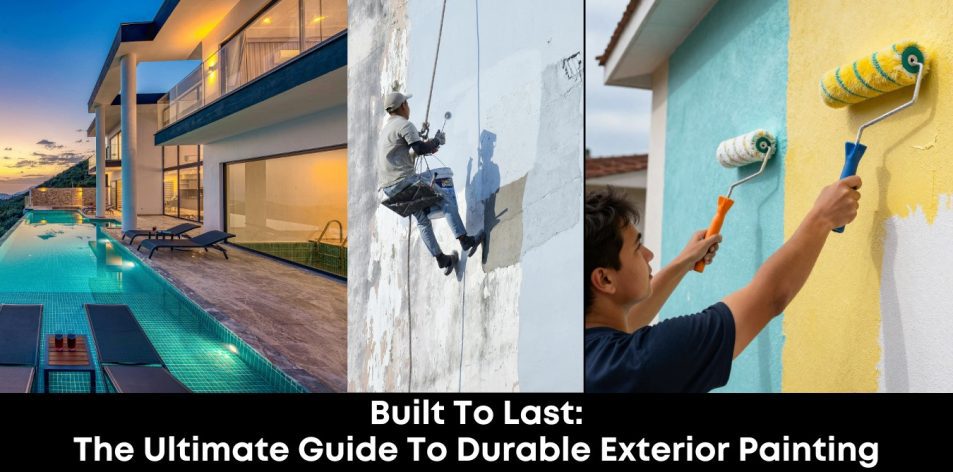
Protecting Your Property from Chipping, Cracking, and Heavy Rains
The exterior of your building is its first line of defence against the elements. A high-quality paint job does more than just enhance curb appeal; it acts as a protective shield for the structure beneath. However, many property owners find that their paint begins to peel or crack just a few years after application, especially in climates with heavy rainfall and intense sun. Achieving a finish that lasts for a decade or more is not about luck; it is about a disciplined, step-by-step process that prioritises preparation over the painting itself. This guide outlines the essential steps to ensure your exterior paint remains flawless and weather-resistant for years to come.
I. The Foundation: Thorough Surface Preparation
The secret to long-lasting paint is 90 per cent preparation. If the surface is not perfectly clean and smooth, even the most expensive paint will eventually fail.
- Deep Cleaning: Start by washing the walls to remove dust, grime, and algae. A pressure washer is highly effective, but ensure you allow the building to dry completely—usually for 48 hours—before proceeding. Painting over a damp surface is the most common cause of premature peeling.
- Scraping and Sanding: Remove all loose or flaking paint using a scraper. Follow this by sanding rough edges to create a smooth transition. This prevents new paint from “lifting” away from the old layers.
- Repairing Cracks: Inspect the walls for any hairline cracks or holes. Use a high-quality exterior-grade filler or masonry sealant to plug these gaps. This prevents moisture from seeping behind the paint film during heavy rains, which often causes the paint to bubble and crack.
- Caulking the Gaps: Apply exterior caulk around window frames, door frames, and where different materials meet. This creates a watertight seal that protects the interior structure from seepage.
II. Strategic Priming for Maximum Adhesion
Never skip the primer. It acts as the “glue” that bonds the paint to the wall and provides a uniform surface for the colour.
- Seal Porous Surfaces: If your building has new plaster or masonry, it will be very “thirsty” and soak up paint unevenly. A quality primer seals these pores, ensuring the final coat remains vibrant and consistent.
- Block Stains: A good primer prevents old water stains or tannins from bleeding through the new paint, maintaining a clean look for much longer.
- Wait for the Cure: Ensure the primer is fully dry according to the manufacturer’s instructions before applying the topcoat.
III. Choosing the Right Materials for the Climate
In regions with heavy rain and high humidity, the type of paint you choose is critical for longevity.
- 100% Acrylic Latex: This is often the best choice for exteriors. It is flexible, meaning it can expand and contract with the building as temperatures change without cracking. It is also “breathable,” allowing internal moisture to escape without causing blisters.
- Elastomeric Paint: For masonry and stucco, consider elastomeric paint. It is much thicker than regular paint and has incredible elasticity, allowing it to bridge small cracks and provide a completely waterproof barrier.
- UV Resistance: Ensure the paint is formulated with UV protection to prevent the sun from breaking down the chemical bonds of the paint, which leads to fading and “chalking.”
IV. Professional Application and Timing
- Apply Multiple Coats: One thick coat is never as durable as two thin, even coats. Two coats provide a thicker protective barrier that can better withstand the “beating” of heavy rain.
- Watch the Weather: Never paint when rain is forecast within 24 hours. Ideally, paint during a dry spell when temperatures are moderate (between 15°C and 30°C). Extreme heat can cause the paint to dry too quickly, leading to “flash drying” and future cracking.
- Maintain Your Gutters: To protect your new paint, ensure your gutters and downspouts are clear. Water overflowing from a roof can “wash” a wall repeatedly, leading to premature wear and staining in specific areas.
By following these disciplined steps, you are not just painting a wall; you are making a long-term investment in your property. A well-prepared and correctly painted building reflects a sense of order and care, ensuring your home or business remains a source of pride and a sanctuary of protection through every season.