
Balancing Faith, Work, and Wellness in the Modern World
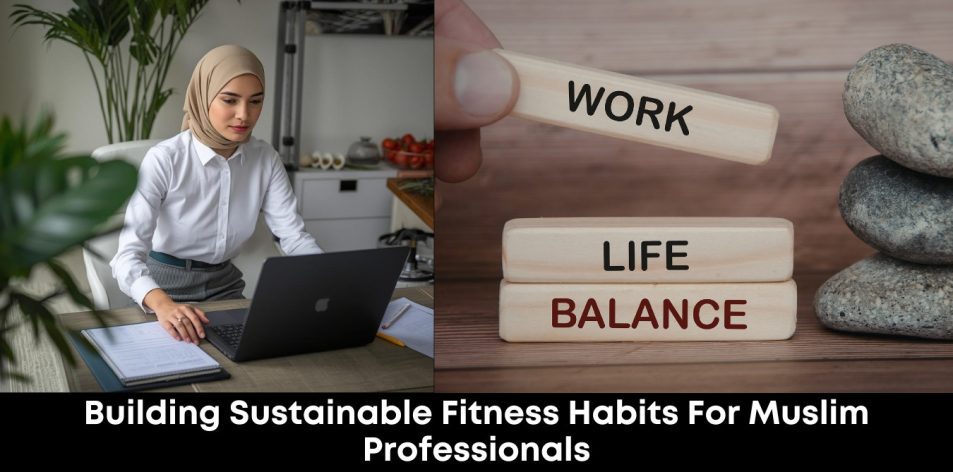
In the fast-paced environment of 2026, the modern professional often finds themselves caught between the demands of a high-pressure career and their personal commitments. For the Muslim professional, this challenge is compounded by the beautiful responsibility of five daily prayers, family duties, and communal obligations. However, physical health is not a distraction from faith; rather, it is a vital trust (Amanah) that enables us to perform our duties with excellence. Building sustainable fitness habits is about more than just a gym membership—it is about creating a lifestyle where movement and mindfulness coexist with work and worship. This guide explores how to integrate wellness into your busy schedule, ensuring your body remains as strong as your spirit.
I. Short, Effective Workouts for Busy Schedules
When time is limited, the quality of your movement matters more than the duration. You don’t need hours in the gym to see results.
- High-Intensity Interval Training (HIIT): A 15 to 20-minute HIIT session can be performed in the privacy of your home or office. It boosts your metabolism and cardiovascular health without requiring long periods away from your desk.
- Sunnah-Inspired Mobility: Focus on functional movements that mirror the physical postures of prayer, such as deep squats and spinal rotations. These exercises keep the joints supple and help prevent the stiffness often associated with long hours of sitting.
- Micro-Workouts: Break your exercise into smaller blocks. Three 10-minute bursts of activity throughout the day—such as a quick set of push-ups before Dhuhr or a brisk walk after Asr—are just as effective for long-term health as one long session.
II. Integrating Movement into Daily Life
Staying fit isn’t limited to dedicated “workout time.” Subtle adjustments to your work habits can lead to significant health improvements over time.
- Walking Meetings: If a meeting doesn’t require a screen, take it on the go. Walking while discussing projects encourages creative thinking and helps you hit your daily step goals.
- Posture and Desk Ergonomics: Be mindful of your “office posture.” Use a standing desk if possible, and set a reminder to stretch every 30 minutes. Simple neck rolls and shoulder retractions can prevent the tension headaches common in high-stress roles.
- Active Commuting: If you work in an urban centre like Nairobi, consider parking a few blocks away from your office or taking the stairs instead of the lift. These “incidental” movements add up to thousands of extra steps each week.
III. Faith-Inspired Motivation: Discipline and Mindfulness
The same discipline required for consistent prayer and fasting can be applied to your fitness journey. Viewing exercise through a lens of “Muraqabah” (mindfulness) transforms it into an act of worship.
- Niyyah (Intention): Before you begin any physical activity, make a conscious intention to care for your body so that you may serve your family and community more effectively. This simple shift in mindset provides a deeper sense of purpose.
- Consistency over Intensity: The Prophet (PBUH) taught us that the most beloved deeds are those done consistently, even if they are small. Applying this to fitness means showing up for a 10-minute walk every day is better than a two-hour workout once a month.
- Mindful Breathing: Use your exercise time to practice deep, rhythmic breathing. This not only improves your physical performance but also acts as a form of meditation, reducing stress and improving mental clarity.
IV. Nutrition for Long-Term Wellness
To sustain a high-performing career and a consistent fitness routine, your body requires “Tayyib” (wholesome and pure) fuel.
- Halal Meal Planning: Focus on whole, unprocessed foods. Lean proteins like grilled chicken or fish, complex carbohydrates like brown rice or sweet potatoes, and plenty of leafy greens provide sustained energy levels throughout the workday.
- Hydration Strategy: Avoid the temptation of sugary office snacks or excessive caffeine. Drink plenty of water and herbal teas to stay hydrated, which improves focus and prevents the afternoon energy slump.
- Portion Control and Moderation: Following the guideline of leaving a third of the stomach for food, a third for water, and a third for air prevents the sluggishness that often follows large meals, allowing you to stay active and alert.
V. Community and Accountability
We are social beings, and having a support network can be the difference between starting a habit and sticking to it for life.
- Group Sports: Join local football clubs, cricket teams, or badminton groups. In cities like Nairobi, community-based sports are a fantastic way to build “Ummah” (community) bonds while staying fit.
- Accountability Partners: Find a colleague or friend with similar goals. Checking in with each other daily or scheduling “gym dates” creates a healthy sense of responsibility and makes the journey more enjoyable.
- Family Fitness: Involve your family in your wellness routine. Weekend hikes or evening walks with your children not only keep everyone healthy but also set a positive example for the next generation.
Sustainable fitness for the modern professional is about harmony, not perfection. By choosing a path that respects your time, your work, and your faith, you build a lifestyle that is resilient and fulfilling. When you treat your health as a blessing and a responsibility, you unlock the energy needed to lead with integrity and serve with excellence in every area of your life.